
Understanding Bollard Sizes and Specifications
Overview of Bollard Types – Different types of bollards and their typical applications
Understanding bollard sizes is crucial when it comes to selecting the right fixture for your space. Bollards dimensions vary widely, from slender, unobtrusive posts to hefty, security-grade barriers designed to stop a moving vehicle in its tracks. Knowing the typical sizes helps ensure your bollards not only look good but also serve their purpose effectively.
Different types of bollards have distinct dimensions tailored to their specific applications. For instance, decorative bollards used in pedestrian zones often have a diameter of around 100mm to 150mm, standing about 900mm to 1.2 meters tall. Meanwhile, security bollards meant for vehicle obstruction can reach heights of 1.2 meters or more, with diameters that bolster their resilience.
Here’s a quick rundown of common bollard types and their typical dimensions:
- Decorative Bollards: 100-150mm diameter, 900mm-1.2m tall
- Security Bollards: 200-300mm diameter, 1.2-1.5m tall
- Removable Bollards: Variable sizes, often around 150mm diameter for ease of removal
Understanding these bollard sizes and specifications helps ensure you pick the perfect fit for your environment, whether it’s a sleek urban walkway or a high-security perimeter.
Key Dimensions to Consider – Height, diameter, base width, and clearance
Among the many facets of bollards, understanding bollards dimensions is paramount to ensuring they serve their intended purpose with precision and grace. In the realm of urban planning and security, the size and structure of bollards can transform a simple barrier into a formidable line of defense or a subtle accent in a landscape. The dimensions—height, diameter, base width, and clearance—are not mere numbers; they are the very essence that determines a bollard’s strength and aesthetic harmony.
Height, for instance, typically varies from as low as 900mm for decorative purposes to 1.5 meters for security-grade barriers. Diameter plays a critical role in resilience: slender bollards of around 100mm might adorn pedestrian zones, while robust security bollards often measure between 200mm and 300mm in diameter. The base width ensures stability, particularly in high-wind or high-traffic environments, and must be proportionate to the overall bollard size to withstand impact. Clearance—space around the bollard—must also be considered, especially for removable or retractable types, to facilitate ease of access without compromising security.
- Height: ranging from 900mm to 1.5 meters, depending on function
- Diameter: from slender 100mm for decorative bollards to 300mm for security models
- Base width: designed for stability and durability
- Clearance: essential for removable bollards and pedestrian flow
By carefully evaluating these key dimensions, planners and architects can ensure bollards dimensions align seamlessly with both the aesthetic aspirations and functional demands of their environment. Whether guarding a bustling city street or accentuating a tranquil park, the right size can make all the difference in creating a harmonious and effective space.
Standard Bollard Dimensions
Common Height Ranges – Standard heights used in urban and commercial settings
In the intricate dance of urban design, bollards dimensions often serve as silent guardians—balancing safety, aesthetics, and functionality. A typical height range for standard bollards in South African cities spans from 900mm to 1100mm, providing an optimal barrier without obstructing sightlines or pedestrian flow. These dimensions are carefully calibrated to withstand vehicular impact while maintaining a sleek profile that complements modern streetscapes.
For commercial settings, the common height range tends to be slightly taller, often between 1100mm and 1300mm, ensuring enhanced security and visibility. The diameter of these bollards usually falls between 140mm and 200mm, offering a sturdy presence without overwhelming the space. Notably, the base width often mirrors the bollard’s diameter but can be broader for added stability.
Understanding bollards dimensions is crucial for seamless integration into any project, whether urban renewal or private enterprise. When selecting the appropriate size, consider the specific needs of the environment and the level of protection required. After all, the right bollard not only guards but also elevates the visual harmony of a city’s heartbeat.
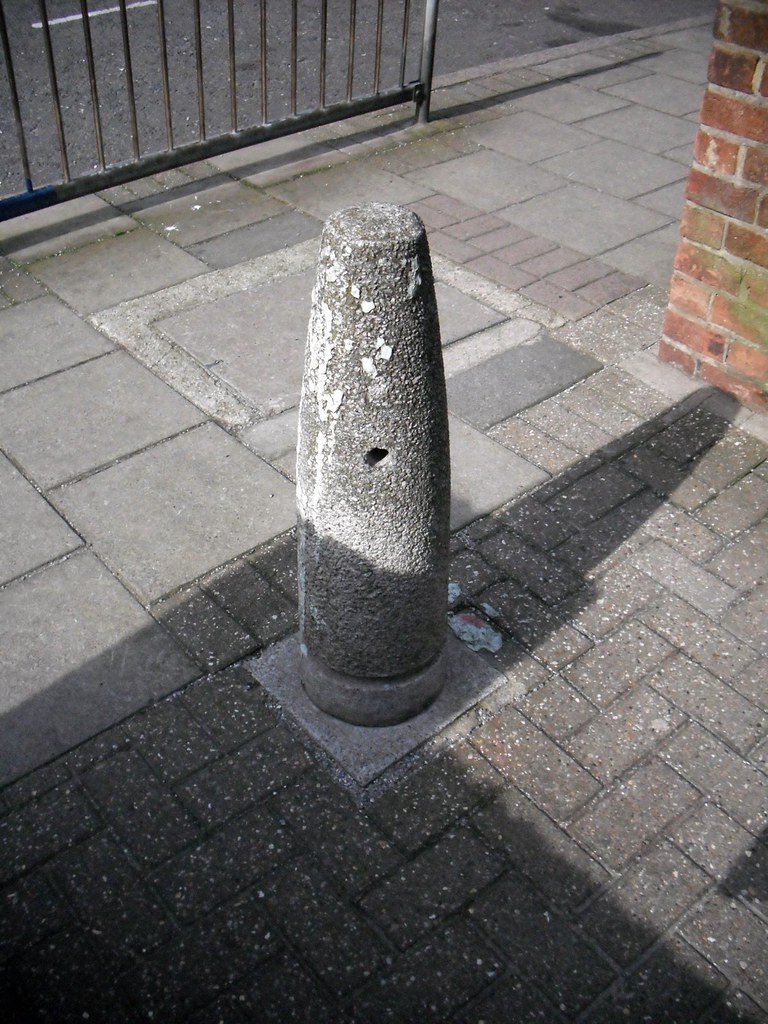
Typical Diameter Sizes – Standard diameters for various bollard purposes
In the shadowed corridors of urban architecture, the diameter of bollards emerges as a silent sentinel—an unassuming yet vital element in the dance between safety and aesthetics. Typical bollards dimensions often dictate their role, whether as guardians of pedestrian zones or fortresses of security for commercial precincts. For general urban applications, diameters usually range from 140mm to 200mm, each size meticulously chosen to balance strength and visual harmony.
To better understand these dimensions, consider that a narrower bollard—around 140mm in diameter—serves as a subtle deterrent, guiding foot traffic without overwhelming the landscape. Conversely, larger diameters, nearing 200mm, anchor a more formidable presence, especially in high-security zones. The choice of bollards dimensions hinges on the environment’s unique demands, where even the smallest detail can influence safety and flow.
In South Africa’s vibrant streets and sprawling commercial hubs, the strategic application of bollards dimensions ensures that each barrier seamlessly integrates into the urban fabric. Whether a sleek, minimalist profile or a robust, impact-resistant form, understanding the typical diameter sizes helps shape resilient, visually compelling spaces. After all, the right bollard—crafted in the perfect dimensions—becomes more than a barrier; it transforms into a silent guardian of order and beauty.
Base and Footprint Measurements – Base width and footprint considerations for stability
In the intricate ballet of urban design, the base and footprint measurements of bollards are the silent choreographers—foundational elements that dictate stability and harmony. A robust base width anchors these guardians, ensuring they withstand the relentless push and pull of bustling streets. Typically, a well-crafted bollard’s base spans from 300mm to 500mm, a dimension carefully calibrated to balance resilience with visual grace.
Beyond mere width, the footprint—defined by the space the bollard occupies on the ground—must be thoughtfully considered. A broader footprint offers enhanced stability, especially in high-traffic zones, anchoring the bollard against accidental collisions or deliberate impact. For optimal security, the footprint often mirrors the base width, creating a seamless, resilient shield. In South Africa’s vibrant urban tapestry, these dimensions are not just numbers but vital parameters that shape safe, resilient, and aesthetically pleasing spaces.
- Base width and footprint measurements are meticulously chosen to match the environmental demands.
- Ensuring stability involves a delicate dance between ground contact area and structural strength.
- Strategic dimensioning allows bollards to serve their purpose—whether guiding pedestrians or resisting impact—without compromising visual harmony.
Factors Influencing Bollard Dimensions
Safety and Security Requirements – How security needs impact size and strength
Security needs aren’t just about deterrence—they influence the very fabric of bollards dimensions, shaping their height, diameter, and overall strength. In South Africa, where urban landscapes are constantly evolving, understanding how safety requirements impact bollard design is crucial. A bollard designed to withstand vehicle impact must be significantly more robust than one used solely for pedestrian guidance. This difference in purpose directly affects the bollards dimensions, ensuring they provide maximum protection without compromising aesthetics.
For high-security zones, such as government buildings or critical infrastructure, the bollards dimensions often push the boundaries of strength. They are crafted with thicker steel and reinforced bases, making them formidable barriers against intentional impact. The choice of material and size isn’t arbitrary but driven by the potential threats and safety standards mandated by local authorities. In essence, the more severe the security risk, the larger and more resilient the bollard must be—an intricate balance between safety and visual harmony.
Environmental Conditions – Effects of weather and terrain on dimensions
Environmental conditions play a pivotal role in determining bollards dimensions, especially in South Africa’s diverse climate and terrain. Harsh weather—think intense sun, heavy rains, or even snow in some regions—can weaken materials over time, requiring larger or more reinforced bollards to maintain their effectiveness. Similarly, uneven terrain demands a different approach to ensure stability and durability.
For outdoor applications, factors like soil type and slope influence bollard dimensions significantly. For instance, soft or sandy ground may necessitate a wider base or deeper foundations to prevent tipping. Conversely, rocky or uneven terrain might call for custom-made solutions that adapt to the landscape. It’s not just about size but also the choice of materials and construction methods that marry resilience with the environment.
In areas prone to extreme weather, such as coastal zones in South Africa, corrosion-resistant materials like galvanized steel or concrete are vital. These materials affect the overall design and, consequently, the bollards dimensions, ensuring they withstand the elements without compromising safety or security standards.
Installation Surface – Adjustments based on ground type and mounting options
In the grand tapestry of urban design, the installation surface plays a silent yet decisive role in shaping bollards dimensions. The ground beneath—be it asphalt, concrete, or earth—dictates not only the size but also the anchoring method essential for stability and longevity. For softer terrain like sandy or loose soil, deeper foundations and broader bases are paramount to prevent tipping or displacement. Conversely, rocky or uneven surfaces challenge designers to craft bespoke solutions that seamlessly blend resilience with aesthetic appeal.
To adapt effectively, consider the following factors influencing bollards dimensions:
- Type of ground material
- Slope and terrain stability
- Mounting options—whether surface-mounted or embedded
When installing bollards on varied surfaces, adjustments in their dimensions—such as increased base width or deeper foundation depths—are crucial for ensuring safety and security. A well-calibrated approach to the installation surface guarantees that each bollard not only meets functional demands but also withstands South Africa’s diverse climate challenges while maintaining an elegant presence in the landscape.
Design Variations and Their Dimensional Differences
Decorative vs. Security Bollards – Dimensional distinctions based on design purpose
When it comes to bollards dimensions, the purpose behind their design plays a crucial role in determining their size and form. Decorative bollards, often found lining walkways or enhancing aesthetics in urban parks, tend to have more varied and artistic dimensions. These bollards usually have a height that complements surrounding architecture, typically between 900mm to 1200mm, with a diameter that balances visual appeal with functionality—often around 100mm to 150mm. Their base width is generally narrower, focusing on design rather than security. In contrast, security bollards are engineered with strength and protection in mind. They tend to be more robust, with dimensions that reflect their purpose of safeguarding people and property. These bollards often exceed 1200mm in height and feature a thicker diameter—sometimes up to 200mm or more—to withstand force. Their base width is wider for added stability, making the bollards dimensions essential to their effectiveness in high-security scenarios.
Understanding the dimensional distinctions based on design purpose helps in selecting the right bollards for specific environments. For instance, while decorative bollards prioritize aesthetic harmony, security bollards demand precise measurements that optimize durability and safety. Whether it’s a slender, elegant form or a sturdy barrier, the bollards dimensions are tailored to meet the nuanced needs of each setting, ensuring both form and function are perfectly balanced. In South Africa’s diverse landscapes, these differences become even more evident, with environmental conditions influencing the final measurements. Ultimately, the right bollard dimensions are vital for creating spaces that are both beautiful and secure—each one carefully crafted to fulfill its unique role in urban and rural environments alike.
Urban vs. Industrial Bollards – Size variations tailored to different environments
Design variations in bollards are more than just aesthetic choices—they reflect the environment they serve. Urban spaces often favor sleek, slender bollards that blend seamlessly with cityscapes and pedestrian zones. In contrast, industrial settings demand robust, larger bollards designed to withstand heavy impact and harsh conditions. The differences in bollards dimensions are crucial for their effectiveness and safety in each context.
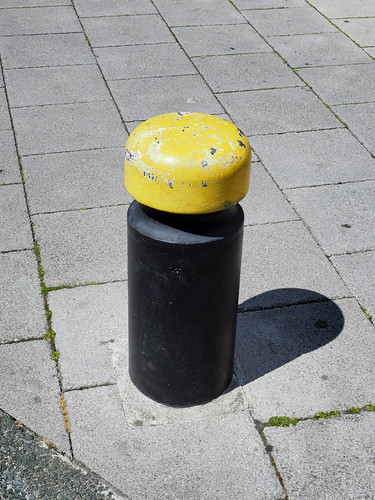
Urban bollards typically have dimensions that prioritize visual harmony and accessibility. They are often between 900mm to 1200mm in height with diameters ranging from 100mm to 150mm. These measurements strike a balance between unobtrusive design and functional delineation. Conversely, industrial bollards tend to be taller—exceeding 1200mm—and thicker, with diameters up to 200mm or more. Their base width also widens to ensure stability against potential impacts or environmental forces.
- In bustling city environments, bollards dimensions are carefully calibrated to enhance aesthetics while providing clear demarcation.
- In rugged industrial zones, larger, sturdier bollards serve as durable barriers and security fixtures.
The size variations between urban and industrial bollards are a testament to their purpose and setting. Whether protecting pedestrians from vehicle intrusion or safeguarding equipment from vandalism, the dimensions of bollards are tailored to meet the demands of each environment efficiently. In South Africa’s diverse landscapes, understanding these dimensional distinctions ensures the right bollard is chosen for every setting, offering both form and function in equal measure.
Removable and Fixed Bollards – Dimension considerations for portability and permanence
Within the realm of bollards dimensions, the contrast between removable and fixed bollards reveals a world of purpose-driven design. Removable bollards, often employed in spaces where flexibility is paramount, tend to be smaller and lighter, facilitating effortless installation and removal. Their dimensions typically range from 900mm to 1100mm in height, with diameters around 100mm to 125mm, striking a delicate balance between portability and security.
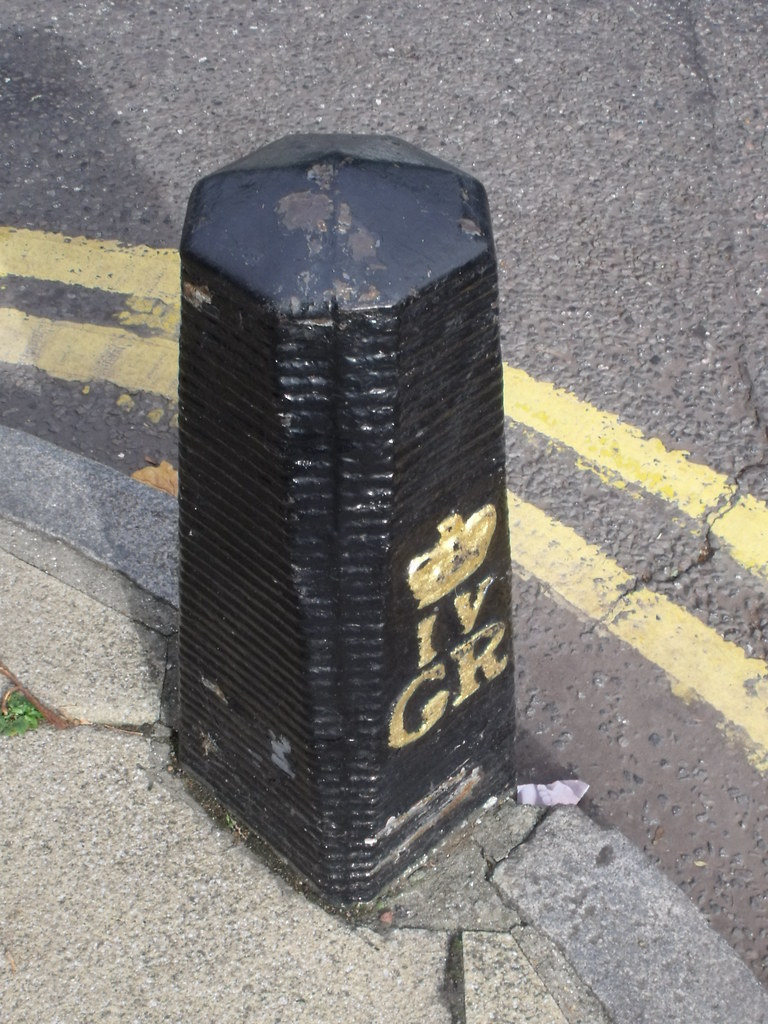
On the other hand, fixed bollards boast formidable stature and robustness. Designed to serve as unwavering guardians of safety and security, their dimensions surpass those of their removable counterparts. Fixed bollards often reach heights exceeding 1200mm, with diameters up to 200mm or more, and bases that widen for enhanced stability—crucial when resisting vehicle impact or environmental forces. The size variations in bollards dimensions are not merely aesthetic choices but vital elements tailored to environmental conditions and security needs.
In environments where permanence and resilience are desired, the dimensions of fixed bollards ensure they remain steadfast against the relentless march of time and threat. Conversely, removable bollards offer the flexibility necessary for dynamic urban landscapes, where access control is temporary yet precise. The art of selecting the appropriate size hinges on understanding these subtle yet critical differences in bollards dimensions, ensuring each space is fortified with the perfect balance of form and function.
Measuring and Choosing the Right Bollard Dimensions
Measurement Techniques – Tools and methods for accurate sizing
Getting the bollards dimensions just right is more than a game of guesswork; it’s a science — or at least, a well-practiced art. Accurate measurement ensures that bollards not only serve their purpose but also blend seamlessly into their environment. Whether you’re installing for security or aesthetics, precise sizing is non-negotiable.
To achieve this, professionals often rely on a combination of tools and measurement techniques. A tape measure or a laser distance meter can provide quick, reliable readings for height and diameter, especially in irregular terrains. For more intricate assessments, a caliper can help determine exact diameter sizes, ensuring the bollards will fit snugly into pre-existing fixtures. When dealing with base and footprint measurements, a spirit level and a measuring tape are your best friends, helping to verify stability and safety requirements. Remember, an accurate measurement isn’t just about numbers — it’s about envisioning how the bollard will interact with its surroundings.
In some cases, an ordered approach adds clarity:
- Start by measuring the intended height and diameter, considering environmental factors and safety standards.
- Assess the installation surface to determine if adjustments are needed for ground type or mounting options.
- Factor in any decorative or security bollard dimensions to ensure aesthetic harmony and functional integrity.
Having the right tools and techniques ensures you won’t end up with a bollard that’s either dwarfed by its environment or so large that it becomes an obstacle. Precision in measuring bollards dimensions is the cornerstone of a well-executed installation — and a happy client!
Guidelines for Selecting Dimensions – Best practices for choosing appropriate sizes for specific applications
Choosing the right bollards dimensions is crucial for ensuring functionality and safety. Incorrect sizing can compromise security, aesthetics, or both. When selecting bollard dimensions, it’s essential to consider the specific application—whether for pedestrian zones, vehicle barriers, or decorative purposes. The height, diameter, and base width must align with environmental conditions and safety standards.
For example, urban bollards typically range from 900mm to 1100mm in height, providing visibility while preventing accidental collisions. Security bollards tend to be thicker and taller, often exceeding 1200mm, to withstand impact. A balanced approach involves assessing the environment, traffic flow, and design intent. In some cases, an ordered measurement approach helps. It’s best to start with the intended height and diameter, then evaluate the ground conditions and mounting options to ensure stability. Proper bollards dimensions not only enhance security but also blend seamlessly into their surroundings, creating a cohesive urban or commercial landscape.
Compliance and Industry Standards for Bollard Dimensions
Regulatory Requirements – Standards set by safety organizations and local codes
In the complex world of urban infrastructure, compliance with industry standards for bollards dimensions is not just a matter of aesthetics—it’s a critical safety protocol. Regulatory requirements, often dictated by local codes and safety organizations, set the foundation for ensuring bollards provide maximum security without compromising accessibility. These standards can vary significantly across regions, especially in South Africa where urban landscapes demand tailored solutions.
Adhering to these guidelines guarantees that bollards meet specific criteria for height, diameter, and strength, aligning with safety and security needs. For instance, standard bollards dimensions usually fall within particular height ranges to prevent vehicle intrusion while remaining visually unobtrusive. Failure to comply could lead to legal repercussions or safety hazards, highlighting the importance of understanding regulatory requirements. The industry’s evolving standards continually shape the parameters for bollards dimensions, ensuring they serve their purpose effectively amidst changing environmental and security demands.
- Local building codes
- Safety organization standards
- Municipal regulations
International Guidelines – Global standards impacting dimensions and durability
In a landscape where safety is paramount, adherence to international guidelines on bollards dimensions becomes not just a regulatory necessity but a testament to meticulous urban planning. Across the globe, standards set by authoritative safety organizations and international bodies serve as a blueprint, ensuring bollards are crafted to withstand both environmental pressures and security threats. These global standards influence the *bollards dimensions*, dictating height, diameter, and strength to achieve an optimal balance between visibility and resilience.
Moreover, in regions like South Africa, where urban environments are uniquely diverse and security challenges multifaceted, these guidelines serve as an essential reference point. The variability in *bollards dimensions*—from slender decorative styles to robust security models—reflects a nuanced understanding of local needs while aligning with international benchmarks. Industry standards often specify that bollards should meet certain minimum strength and durability criteria, which directly impact their *bollards dimensions*.
In essence, harmonizing these standards ensures that each bollard not only complies with safety mandates but also integrates seamlessly into the urban fabric. This alignment underscores the importance of precise measurement techniques and thoughtful selection of *bollards dimensions*—a vital consideration that safeguards both property and lives while maintaining aesthetic integrity.



0 Comments