
Understanding Bollards and Their Role in South Africa
Types of Bollards Used Across the Country
South Africa installs over 40,000 bollards annually across urban and rural municipalities, yet most of us walk past them without a second thought. Bollards south africa represent a quiet form of urban governance, controlling vehicle access while allowing pedestrian flow to continue unimpeded.
The role of bollards south africa extends beyond simple traffic management. In Cape Town’s central business district, retractable bollards protect pedestrian zones during market hours, then withdraw for delivery trucks at dawn. Johannesburg’s suburbs use fixed steel bollards to prevent pavement parking, while Durban’s coastal promenade employs decorative concrete bollards that double as seating.
- Fixed cast iron bollards for heritage areas
- Automatic rising bollards for high-security entrances
- Flexible plastic bollards for temporary lane demarcation
- Stone or granite bollards for aesthetic public spaces
Each type serves a distinct purpose, from crime prevention to crowd control, reflecting the priorities of the municipality that installs them.
Common Applications in Urban and Rural Areas
Every set of bollards south africa installs is a statement about how we choose to share space. In urban centers, they mediate between pedestrians and delivery vehicles, between café terraces and traffic. In rural municipalities, the same structures protect school crossings and direct livestock away from road maintenance crews. A driver reads a bollard as an authority, while a pedestrian reads it as a courtesy. Placement follows a pattern:
- Bollards at taxi ranks prevent chaotic encroachment onto pedestrian islands.
- Bollards outside rural clinics keep emergency lanes clear.
- Bollards along farm roads stop heavy vehicles from eroding the verges.
This is infrastructure that enforces agreement between strangers, silently and without exception.
Regulatory Standards Governing Installation
A bollard that fails on a Tuesday afternoon becomes a court exhibit by Friday. In South Africa, the regulatory environment governing these structures is not a suggestion box. The South African Bureau of Standards sets the baseline for material strength and impact resistance, while municipal bylaws dictate placement and spacing.
Anyone specifying bollards south africa must reconcile these layers before a single hole is dug. Local authorities inspect compliance during building approvals, and industry standards shape everything from steel thickness to reflective coating. The penalties for ignoring them are expensive delays and liability.
- SANS 1025 covers general requirements for steel bollards.
- Municipal road specifications often impose height and reflector rules.
- Accessibility regulations demand clear widths for pedestrians.
Every set of bollards south africa installs carries a paper trail. The design that wins the tender is the one that survives the lawyer.
Materials and Durability for South African Conditions
Steel vs Concrete: Pros and Cons
A bollard that rusts within two years is a poor investment, yet many South African sites learn this the hard way. Coastal salt, high UV, and summer deluges punish materials relentlessly. In my experience, steel bollards south africa offer superior impact resistance, but only when hot-dip galvanised or powder coated. Concrete handles corrosion effectively, often lasting decades without maintenance, though it cracks under sharp collisions.
Here is the trade-off:
- Steel bends and absorbs energy, but needs periodic recoating.
- Concrete stays solid and low upkeep, yet repairs require demolition.
The real winner depends on your site’s proximity to the ocean and traffic patterns. For harbour fronts, concrete dominates! For busy carparks, steel wins on resilience.
Corrosion Resistance in Coastal Regions
Salt-laden air along the Western Cape coastline attacks unprotected metal with terrifying speed! I have seen bollards south africa degrade into rusted shells within eighteen months, their structural integrity silently vanishing. Hot-dip galvanising adds years, but the zinc layer itself succumbs near breaking waves.
Chloride ingress is the true assassin. It penetrates microscopic pores in coatings, triggering galvanic corrosion beneath the surface. Concrete bollards resist this better, yet their reinforcing steel can corrode internally if cracks appear. The result is spalling that looks like leprosy.
- Marine-grade aluminium offers natural resistance, but it is softer and expensive.
- Stainless steel (grade 316) performs reliably, though weld points remain vulnerable.
For installations facing the Indian Ocean, the choice demands honest assessment of humidity, wind direction, and maintenance budgets.
Weatherproofing for Extreme Climate Zones
In the Free State, winter temperatures swing from frost at dawn to furnace heat by noon. That thermal cycling attacks bollards south africa in ways coastal salt never could. Concrete expands and contracts, hairline cracks open, and moisture finds its way in. By the third winter, the damage is unmistakable.
The Highveld brings a different enemy: ultraviolet radiation. It degrades plastic bollards and fades powder coating within months. Polyethylene survives, but only if it contains UV stabilisers. Karoo conditions demand honest engineering. The dryness preserves steel, but the temperature differential between day and night stresses welds.
For bollards south africa, the practical choices in extreme climate zones come down to this:
- Steel with a minimum 85 micron galvanised coating for frost regions
- UV stabilised polymer for Highveld installations
- Reinforced concrete with controlled crack width for thermal zones
Each material fails differently, so the choice depends on the specific climate, not a national standard.
Impact Resistance and Longevity
Impact resistance tells only part of the story. A bollard can stop a vehicle once, but longevity depends on how the material recovers from that punishment. In South Africa, where delivery trucks share space with passenger cars, the difference between a minor scrape and structural failure is often measured in the quality of the base metal.
Consider the forces involved. A 2,500 kilogram vehicle at 50 kilometres per hour delivers kinetic energy that steel absorbs through deformation, polymer through flexing, and concrete through cracking. The best bollards south africa offer are those that bend predictably rather than fracture unpredictably.
- Galvanised steel: impact marks expose bare metal, requiring touch-up within weeks
- Polyethylene: recovers shape but suffers stress whitening over repeated hits
- Reinforced concrete: surface spalling reveals aggregate, but the core remains intact
The true measure of durability in bollards south africa is how gracefully they age after the first collision.
Installation and Maintenance Considerations
Site Assessment and Planning Essentials
In South Africa, a bollard’s true enemy isn’t the bakkie that clips it at 2 a.m. It’s the planning meeting that ignored a water pipe beneath. Before sinking a single post, map every buried cable, drain, and structural slab. A digger hitting an unmarked pipe can flood the street, or worse, disrupt neighbours.
Site assessment also means studying traffic patterns. Where do delivery trucks reverse? Which pavement cracks first? Get this wrong and your bollards turn into decorative obstacles. For maintenance, watch for corrosion around the base, loose bolts, and faded reflective paint. A yearly inspection beats a surprise replacement at 5 p.m. on a Friday.
- Check soil type before choosing a foundation depth.
- Confirm municipal clearance for any excavation work.
- Schedule a visual audit every six months.
That routine saves you from pulling a crooked bollard at dawn. And when you plan ahead, bollards south africa actually work without drama. Quality bollards south africa need sensible planning, not guesswork.
Fixed, Removable, and Automatic Installation Methods
Fixed bollards south africa installations demand deep concrete footings and precise alignment. Removable units offer flexibility for occasional vehicle access, while automatic bollards use hydraulic or electric drives for high traffic areas. Each method carries distinct maintenance burdens.
For fixed posts, inspect the concrete collar for cracks and monitor the steel for surface rust. Removable bollards require cleaning the locking mechanism and checking the keyway for debris. Automatic systems need regular testing of sensors, hydraulic fluid levels, and battery backups.
- Grease all pivot points monthly.
- Test automatic retraction at low speed.
- Replace worn reflective bands immediately.
A local supplier once told me that most failures trace back to skipped servicing. In this country, dust and moisture accelerate wear. A monthly check of all moving parts prevents midweek breakdowns.
Proper Ground Preparation and Anchoring
The ground beneath a bollard is the true test. In South Africa, expansive clay soils shift with seasonal rain, pulling anchors loose. Proper ground preparation starts with a geotechnical check, not guesswork. You need a core depth that matches the impact rating, often 600mm or more.
I have seen installations fail because the concrete collar was poured over wet soil. Water weakens the bond. Use a gravel base for drainage and compact the sides.
- Verify soil compaction before pouring.
- Allow concrete to cure for 7 days.
- Torque bolts to specification.
The anchoring method matters as much as the post. For bollards south africa, epoxy anchors outperform mechanical ones in seismic zones. They grip deeper into the substrate. Skip the shortcuts, and the bollard becomes a decoration.
Routine Inspection and Upkeep
A bollard that passes inspection on day one can fail by year three. I have seen it happen. The culprit is never the impact. It is the silence. Routine inspection of bollards south africa needs a fixed schedule.
Check for hairline fractures at the base. Look for rust streaks trailing from anchor bolts. Listen for a hollow ring when tapped, it means the concrete has debonded.
- Inspect welds and hinges monthly
- Test retractable mechanisms quarterly
- Verify reflective sheeting integrity after storms
Maintenance is not a cure, it is a discipline. For bollards south africa, the coastal salt air accelerates every weakness. A loose bolt today is a broken barrier tomorrow. Torque checks prevent that. Lubricate moving parts with a lithium based grease. Replace worn rubber caps before they crack.
Keep a logbook. Dates, findings, actions. This record protects your liability and your budget. Neglect is expensive. Attention is not.
Repair and Replacement Strategies
When a bollard fails, the instinct is to patch it. In my experience, patching a cracked base only delays the inevitable. It will let you down.
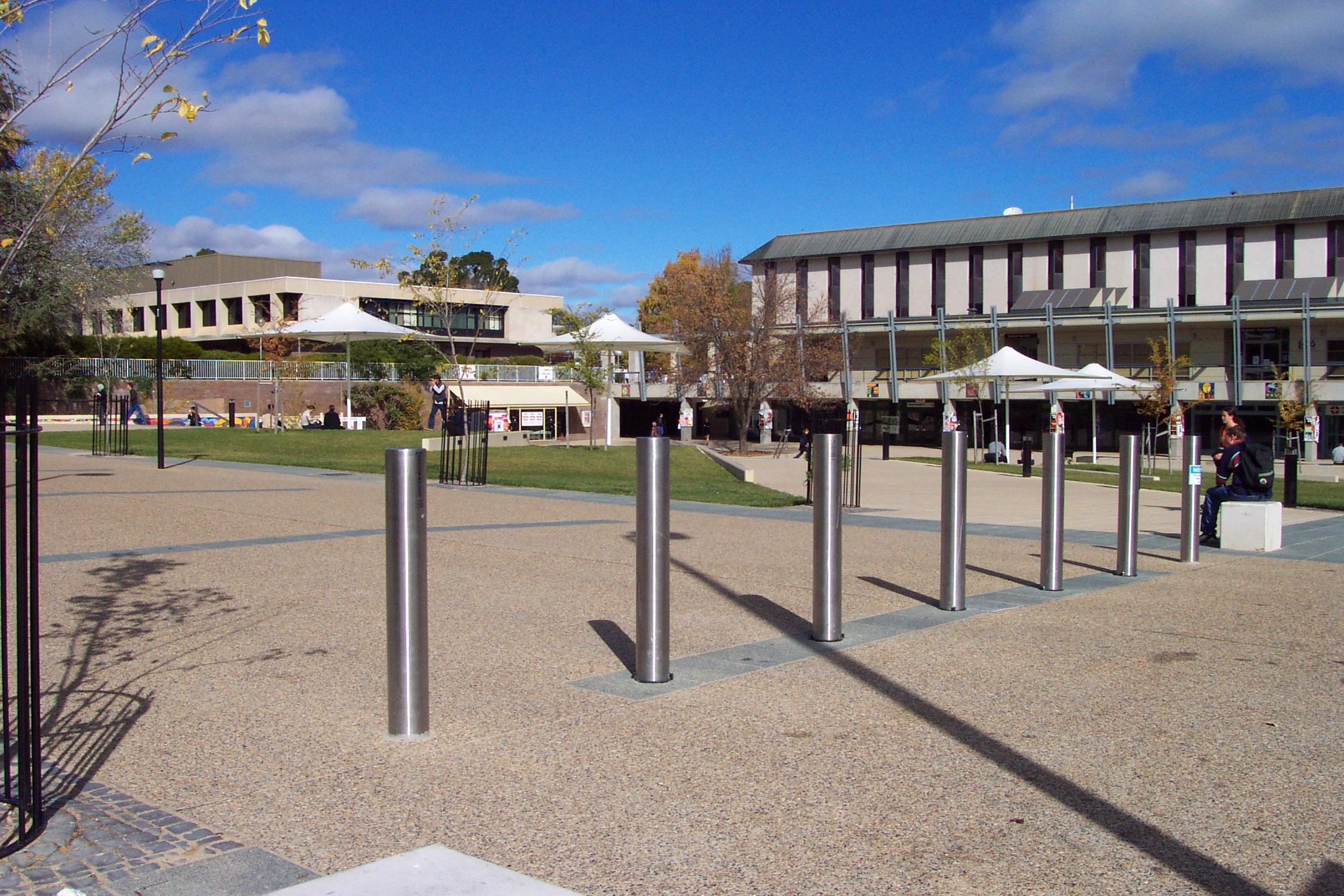
Repair decisions depend on the damage. Hairline cracks can be sealed with epoxy, but structural bends in steel mean replacement. A bent shaft has lost its integrity. Straightening it creates weak points.
Welding repairs require certified operators. Improper welds introduce heat stress, which accelerates corrosion. For bollards south africa, coastal conditions complicate every repair. Salt-laden air finds the smallest breach.
Replacement strategies should account for the whole assembly. Reusing a compromised anchor sleeve invites future failure. Remove the old base cleanly. Assess the concrete footing. If rebar is exposed, the footing needs attention too.
Keep spare parts on hand. Local suppliers of bollards south africa stock common components. A quick replacement beats prolonged downtime.
Cost and Compliance Factors
Pricing Structures and Budgeting
Nothing separates a prudent developer from a spendthrift faster than the line item for bollards south africa. The price difference between a galvanised steel post and a decorative cast iron unit can exceed fivefold, yet compliance with local municipal bylaws often dictates the more expensive choice. A friend once paid R4,000 per unit; a rival paid R800 for a nearly identical visual effect.
Budgeting requires clarity. For each site, three cost layers emerge:
- Municipal application fees for building plan approval.
- Engineering sign-off certificates for impact rated installations.
- Specialist equipment rental for drilling into reinforced concrete.
These factors shift monthly, so a fixed quotation rarely survives the project timeline. Ignoring the compliance burden leads to penalties or forced removal. In my experience, allocating an extra 15 percent for unforeseen enforcement costs avoids most surprises. Remember, bollards south africa prices reflect more than steel and concrete; they reflect the regulatory cost embedded at every turn!
Municipal Regulations and Permits
Municipal approval often decides whether a bollards south africa installation survives its first year. A colleague once faced a removal order for barriers installed without the correct permit. The steel was flawless; the paperwork was not.
Permits depend on several factors:
– The zoning category, from residential driveways to industrial loading zones
– A structural engineer’s certification for impact rated units
– The municipality’s processing timeline, which shifts month to month
Every application carries a fee, often paid twice when revisions are required. Councils can compel removal at the owner’s expense when approvals are skipped. That penalty dwarfs the original permit cost. In my experience, consulting the local planning office before ordering saves both money and frustration. Bollards south africa projects live and die by these administrative details.
Safety Standards and Crash Ratings
Crash ratings carry real legal and financial weight. A bollards south africa installation with an ASTM F3016 rating passes one test sequence, while an IWA 14 rating demands another. Each standard measures different attack methods. Specifying the wrong rating means overpaying for protection you never needed.
Compliance factors stack onto that price. Certification includes lab fees, engineer reviews, and audit trails. Some property managers buy uncertified units to save money. After an incident, courts and insurers treat that shortcut as negligence. In ten years of writing specifications, I have seen one uncertified installation hold up under scrutiny. Just one.
The honest approach is simple. Read the rating against the site threat assessment and match them precisely. That discipline keeps bollards south africa projects safe, lawful, and affordable.
Accessibility Requirements and ADA Equivalents
Accessibility requirements shift the cost equation for bollards south africa installations. A barrier that stops a delivery truck must not block a wheelchair user or a parent with a pram. SANS 10400 Part S governs these clearances, and it functions as the local equivalent to the ADA. Courts treat it with the same seriousness.
Compliance factors include:
- Minimum clear width of 900mm between posts
- Colour contrast for low-vision pedestrians
- No protruding chains or sharp edges
Each specification point adds a modest line item. Skipping them adds a larger one. Municipal inspectors flag non compliant layouts, and redesign fees blow past the original savings. I have watched property managers reinstall bollards three times because they ignored accessible route planning. Price the audit before the concrete cures!
Choosing the Right Bollard for Your Project
Security Needs vs Aesthetic Preferences
In South Africa, the bollard occupies a curious middle ground. It must protect, yet it also presents. The tension between security needs and aesthetic preferences shapes every specification decision.
Consider how your entrance reads. A stainless steel cylinder speaks to corporate modernity, while a galvanised pipe signals utilitarian function. Neither is wrong, but each tells a different story.
When weighing options, think about sightlines, scale, and finish. The right bollards south africa installers recommend often balances both:
- Match the bollard finish to adjacent architecture.
- Use colour to blend or contrast deliberately.
- Vary heights to create rhythm without compromising protection.
A well-chosen bollard disappears into the landscape until it is needed. That quiet competence is the goal.
Load Capacity and Traffic Control Ratings
Load capacity and traffic control ratings determine whether a bollard actually earns its place. In South Africa, specifications often get conflated with static weight. A bollard that supports a parked car differs greatly from one that halts an out-of-control delivery van. The impact test certificate, usually based on SABS or ISO standards, reveals the true stopping power. Always verify that rating against your actual site conditions rather than assuming a heavy post equals a safe one.
Consider these factors when matching a unit to your traffic scenario:
– Gross vehicle weight expected on site
– Approach speed and angle of impact
– Whether vehicles will rebound or stop dead
Each variable alters anchor depth and post spacing. Most bollards south africa suppliers carry impact-tested options, but the selection must reflect the real risk profile. You might choose a lower rating for a pedestrian mall and a fortified unit for a loading bay. The correct choice protects people and property without wasting budget on excessive specification. Read the rating labels carefully, as they tell the true story of what your entrance can withstand.
Customisation Options and Finishes
Few street objects get judged on looks quite like bollards south africa. In my experience, a poorly chosen barrier ends up resembling a municipal afterthought, while a thoughtful one blends with the architectural story of your site. The selection process starts with the role the post must play. A removable unit suits a private driveway that occasionally needs truck access. A fixed steel post handles a retail perimeter with steady foot traffic. Placement spacing, depth, and finish all follow from that decision.
Customisation offers a wide range. Powder coating in a specific RAL shade, galvanised steel, brushed stainless, or timber cladding transforms a functional block into a design feature. Some suppliers offer branded caps or reflective bands for visibility. The options are broad, and the wrong finish will fade, rust, or clash. Consider the sun, the rain, and the coastal salt before choosing.


0 Comments