
Understanding Bollards and Barriers
Definition of Bollards – Detailed overview of bollards, their types, and functions
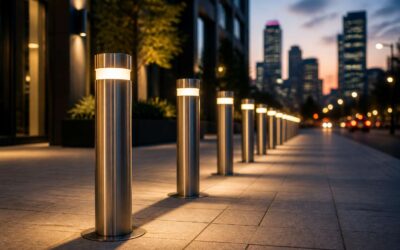
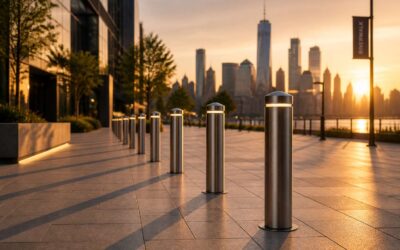
In a world where security and accessibility intertwine like the threads of an ancient tapestry, bollards and barriers stand as silent guardians, shaping the very fabric of urban landscapes. These structures are far more than mere physical obstructions; they are crucial elements in the orchestration of safety and order. Understanding bollards begins with recognizing their diverse forms—ranging from robust steel posts to decorative stone fixtures—each meticulously designed to serve specific functions. Whether it’s controlling vehicle access or safeguarding pedestrians from unpredictable hazards, bollards are versatile marvels.
Barriers, in their myriad forms, complement bollards by providing flexible solutions for crowd control and perimeter security. They can be retractable, portable, or fixed, depending on the needs of the environment. The strategic deployment of bollards and barriers can dramatically enhance the safety of public spaces, parking lots, or high-traffic zones. Their presence whispers an unspoken promise of protection, seamlessly blending utility with aesthetic appeal. From traditional concrete to modern, energy-absorbing designs, these structures are the unseen heroes of urban security—guarding what matters most with unwavering resolve.
Types of Barriers – Different kinds of barriers used in security and traffic management
In a landscape where safety and aesthetics dance in delicate harmony, understanding the various types of bollards and barriers becomes essential. These structures are not merely utilitarian fixtures but are crafted with precision to serve diverse security needs. From sleek, retractable barriers that adapt to fluctuating crowd levels to the sturdy, fixed bollards that guard vital infrastructure, each serves a unique purpose.
Barriers, in particular, come in a surprising array of forms, each designed to blend seamlessly into their environment while providing robust protection. For instance, flexible barriers are often employed in high-traffic zones where rapid deployment or removal is necessary. Conversely, energy-absorbing barriers are becoming increasingly popular in urban planning, offering both safety and visual appeal.
- Retractable barriers
- Fixed concrete bollards
- Decorative stone fixtures
- Energy-absorbing barriers
Whether used in parking lots, pedestrian zones, or critical infrastructure, the strategic deployment of bollards and barriers is a testament to thoughtful urban design. Their silent presence whispers reassurance—an unwavering shield standing guard behind the scenes of everyday life, embodying resilience and elegance in equal measure.
Common Materials Used – Materials like steel, concrete, plastic, and their advantages
When it comes to bollards and barriers, material choice is crucial in ensuring durability, safety, and aesthetic appeal. South Africa’s diverse climate and urban landscapes demand structures that can withstand everything from intense sun to heavy traffic. Steel, concrete, and plastic stand out as the most common materials used in manufacturing bollards and barriers, each offering distinct advantages.
Steel bollards and barriers are renowned for their strength and resilience, making them perfect for high-security zones and bustling urban environments. Their robust nature ensures they can absorb impact and provide long-lasting protection. Concrete, on the other hand, offers durability with a touch of permanence—ideal for delineating boundaries in parking lots or pedestrian zones. Its heavy weight discourages tampering and provides a solid visual cue of restricted access.
Plastic, often underestimated, plays a versatile role in the realm of bollards and barriers. Lightweight and resistant to corrosion, plastic options are excellent for temporary or retractable barriers, where flexibility and ease of installation are paramount.
- Cost-effectiveness
- Ease of maintenance
make plastic barriers a popular choice for versatile urban applications.
Applications of Bollards and Barriers
Traffic Control and Management – Using barriers to organize vehicle and pedestrian flow
Effective traffic control isn’t just about compliance—it’s about safety and efficiency in urban spaces. Bollards and barriers play a crucial role in managing vehicle and pedestrian flow, especially in busy South African cities where chaos can quickly erupt without proper organization. These physical demarcations help prevent accidents, protect pedestrians, and delineate restricted zones with precision. Whether it’s controlling access to parking lots, safeguarding storefronts, or guiding foot traffic around construction sites, bollards and barriers are versatile tools in the urban planning arsenal.
Strategic placement of bollards and barriers can also influence city aesthetics and functionality. For instance, retractable barriers enable quick adjustments during events or emergencies, showcasing adaptability in traffic management. Properly deployed, they create a seamless flow, reducing congestion and enhancing safety for all users. In fact, many urban planners now see bollards and barriers as integral to sustainable city development, balancing security needs with accessibility.
- Diverting vehicle traffic away from pedestrian zones.
- Blocking unauthorized vehicle access to sensitive areas.
- Facilitating orderly parking and loading zones.
Security and Crime Prevention – Role of bollards and barriers in preventing vehicle-ramming attacks
In a world where chaos lurks just beneath the surface, the silent guardians—bollards and barriers—stand as unwavering sentinels against the tide of violence. Their role in security and crime prevention transcends mere physical demarcation; they are the first line of defense against vehicle-ramming attacks that threaten our urban sanctuaries. These formidable structures, forged from steel, concrete, or composite materials, act as impenetrable barriers that halt malicious intent in its tracks, safeguarding lives and vital infrastructure.
Strategically placed bollards and barriers serve a dual purpose: they deter unauthorized vehicle access and create a tangible boundary that criminals find impossible to breach. In South Africa’s bustling streets, where the threat of terror or vandalism is a shadow lurking in the background, these barriers are more than just protective measures—they are a symbol of resilience. Their presence sends a clear message: security is not negotiable. As urban landscapes evolve, so too does the importance of integrating bollards and barriers into a comprehensive crime prevention strategy.
To enhance their effectiveness, many security designs incorporate features such as retractability or collapsible elements, allowing quick adaptation during emergencies or high-profile events. The deployment of bollards and barriers is no longer just about physical protection but about asserting control in a world where safety is a precious commodity.
Pedestrian Safety and Crowd Control – Designs that enhance pedestrian safety in public spaces
In the vibrant tapestry of South Africa’s urban landscapes, pedestrian safety and crowd control are paramount. Bollards and barriers serve as the silent architects of order, guiding the flow of people and vehicles with quiet authority. Their elegant design not only enhances aesthetic appeal but also acts as a vital safeguard in bustling public spaces.
Strategically positioned, these structures create secure zones that prevent accidental or intentional vehicle intrusion, thus protecting pedestrians from harm. In busy city centers, parks, and event venues, bollards and barriers foster a sense of security while maintaining fluid movement. For large gatherings, crowd control barriers are indispensable, helping organizers direct foot traffic seamlessly and prevent chaos. Their presence transforms chaotic crowds into harmonious flows—an essential feature in maintaining safety and order in South Africa’s dynamic urban environments.
Parking Solutions – Bollards for parking lot management and space delineation
In the intricate dance of urban planning, parking solutions emerge as silent yet formidable choreographers—guiding vehicles with precision and purpose. Bollards for parking lot management transcend mere demarcation; they serve as guardians of space, redefining how we utilize and safeguard our parking environments. Their strategic placement ensures that vehicles are confined within designated zones, preventing encroachment into pedestrian pathways or restricted areas.
Beyond simple delineation, bollards and barriers facilitate an array of sophisticated applications that optimize parking efficiency. They can be configured to create one-way systems, restrict unauthorized access, or delineate multiple parking zones within a sprawling lot. For example, retractable bollards offer flexibility, allowing dynamic space management during peak hours or special events. This adaptability ensures that parking facilities respond seamlessly to fluctuating demands, elevating both safety and operational effectiveness.
By integrating high-visibility bollards and barriers, parking lot managers in South Africa can enforce access control with subtle authority. Whether protecting valuable assets or guiding traffic flow, these structures exemplify a harmonious blend of functionality and aesthetic appeal. Their presence transforms open spaces into well-orchestrated environments—where safety, order, and efficiency converge effortlessly.
Types of Bollards and Barriers
Removable and Deployable Bollards – Flexible options for temporary or situational use
In a world where urban chaos and vehicular mayhem often collide, the versatility of bollards and barriers becomes quite the unsung hero. Among the most adaptable options are removable and deployable bollards—think of them as the Swiss Army knives of security solutions. Perfect for event management, emergency access, or simply keeping unruly traffic in check, these flexible barriers can vanish and reappear faster than you can say “traffic jam.”
Take a closer look at these dynamic fixtures—removable and deployable bollards—designed specifically for situations that demand temporary measures. Whether you’re managing a bustling city square or securing a high-profile event, these barriers provide a quick and effective way to control access without permanent installation. They’re the perfect blend of security and convenience, offering peace of mind when needed most, and a sense of freedom when they’re not in use.
- Easy to install and remove, saving time and labor costs.
- Can be deployed or retracted in seconds, offering rapid response to evolving security threats.
- Made from durable materials like steel or high-impact plastic, ensuring longevity even in South Africa’s unpredictable climate.
In essence, bollards and barriers — especially the removable and deployable types — are the chameleons of urban safety, seamlessly adapting to the demands of modern life. Their ability to switch from a protective barrier to an invisible line of clearance makes them indispensable in any comprehensive security setup. Who knew that a simple post could wield such power?
Fixed Bollards – Permanent installations for long-term security
In the shadowed corridors of urban security, some fixtures stand as silent sentinels—permanent guardians that never waver. Fixed bollards, the steadfast stalwarts of long-term protection, are designed to endure the relentless march of time and the unpredictable storms of South Africa’s climate. They are the cornerstone of a fortified perimeter, a permanent testament to safety etched into the fabric of bustling streets and critical infrastructure.
These enduring barriers are often crafted from formidable materials like steel or concrete, ensuring their resilience against both nature’s fury and malicious intent. Their unyielding presence creates an invisible wall of deterrence, preventing vehicular threats from breaching the sanctity of protected zones. When security demands permanence, fixed bollards become the unshakeable backbone of urban safety.
- Long-lasting steel or concrete construction
- Designed for high-impact resistance
- Embedded deeply into the ground for stability
Beyond their physical strength, fixed bollards and barriers serve as silent witnesses to the city’s ongoing struggle between chaos and order. In a landscape where threats evolve, their unyielding stance offers peace of mind—an unwavering barrier against intrusion, chaos, and the dark forces that lurk in the shadows of the modern metropolis.
Crash-Resistant Barriers – Designed to withstand vehicular impact
In the intricate dance of urban security, crash-resistant barriers stand as unwavering sentinels, meticulously crafted to withstand the brute force of vehicular impact. These barriers are not mere deterrents; they are sophisticated fortifications designed to absorb and dissipate energy, preventing catastrophic breaches in high-security zones. Their robust construction often features high-strength steel or reinforced concrete, materials chosen for their resilience under extreme conditions.
Unlike their more passive counterparts, crash-resistant barriers actively engage in safeguarding critical infrastructure, government buildings, and crowded public spaces. They serve as a physical manifestation of vigilance, often embedded deeply into the ground to ensure stability even under relentless assault. For enhanced protection, some models incorporate features such as anti-ram plating or modular components, allowing quick replacements without compromising overall security.
When selecting bollards and barriers for a given application, it’s essential to consider the specific threat level. The most effective crash-resistant barriers are tested rigorously and meet international standards for impact resistance. Their deployment acts as a tangible reminder that safety is an ongoing commitment — a resilient shield in the face of evolving threats.
- Design and materials tailored for maximum impact absorption
- Deeply embedded foundations for unwavering stability
- Compliance with stringent security standards for vehicular impact
Decorative vs. Functional Barriers – Aesthetic considerations versus security features
When it comes to securing urban landscapes, the choice between decorative and functional barriers often sparks debate. While some see bollards and barriers as mere aesthetic features, their true power lies in their security capabilities. A well-designed barrier can seamlessly blend into a cityscape, enhancing visual appeal without sacrificing safety.
Decorative barriers prioritize aesthetics, often crafted with intricate designs and vibrant colors to complement surroundings. Conversely, functional barriers are engineered with a primary focus on security and impact resistance. These are the bollards and barriers that prevent vehicle ramming and safeguard critical infrastructure.
In many cases, a hybrid approach works best. Consider using decorative bollards at pedestrian zones, paired with more robust, impact-resistant barriers at high-security points. This strategic deployment ensures that public spaces remain inviting while maintaining a resilient shield against threats.
Design Considerations and Aesthetics
Material Selection – Choosing weather-resistant and durable materials
In the dance of urban design, the harmony between form and function is paramount. When selecting bollards and barriers, one must consider how they will meld with the environment while standing resilient against South Africa’s ever-changing weather patterns. Durability and weather resistance are the silent guardians of longevity, ensuring these installations withstand sun’s harsh glare, heavy rains, and the occasional gust of wind that sweeps through bustling streets and serene parks alike. Choosing the right materials is akin to selecting a trusty shield—one that does not falter with time.
Opting for materials like galvanised steel or high-grade concrete can elevate both aesthetic appeal and robustness. For those seeking a touch of elegance, decorative bollards crafted from weather-resistant metals or treated timber offer a charming balance of beauty and durability.
- Weather-resistant coatings
- Corrosion-proof finishes
- Impact-resistant composites
These elements ensure that bollards and barriers remain steadfast, their appearance unblemished by the relentless march of seasons, while seamlessly blending into the visual tapestry of urban landscapes.
Color and Finish – Integrating bollards and barriers with surroundings
In the shadowed alleyways of urban planning, the visual harmony of bollards and barriers is as crucial as their silent guardianship. When weaving these elements into the fabric of South Africa’s diverse landscapes, the choice of color and finish becomes an art form—an intricate dance between visibility and discretion. The right hue can either blend seamlessly into a historic precinct’s charm or stand out boldly in a modern metropolis, asserting authority with subtle elegance.
For a cohesive aesthetic, consider using muted tones like charcoal, slate, or ochre—colors that echo the earthy tones of the South African terrain. Complement these with finishes that reflect light softly or absorb it, such as matte or semi-gloss coatings. The finish not only influences the visual impact but also the barrier’s resilience against the relentless sun or corrosive coastal air. A well-chosen color and finish can elevate bollards and barriers from mere security fixtures to integral parts of the urban canvas, enhancing safety while maintaining aesthetic integrity.
In environments where visual appeal reigns supreme, decorative bollards crafted from weather-resistant metals or treated timber can imbue a space with character—be it a bustling market square or a tranquil park. Here, the focus shifts from solely functional to a harmonious blend of security and style, ensuring that each barrier becomes a silent ode to the locale’s unique spirit.
Accessibility and Compliance – Ensuring ADA compliance and ease of access
Design considerations for bollards and barriers extend far beyond mere functionality; they are the silent architects shaping urban narratives. In South Africa’s vibrant landscapes, where historic charm meets modern innovation, the aesthetic integration of these security fixtures becomes a delicate dance. Thoughtful design ensures that bollards and barriers do not just serve their protective purpose but also elevate the visual harmony of public spaces. From sleek, understated models blending into heritage districts to bold, statement pieces in bustling city centers, the aesthetic appeal must resonate with its environment.
Accessibility and compliance are non-negotiable in today’s urban planning. Ensuring that bollards and barriers adhere to standards like the Americans with Disabilities Act (ADA) is crucial, especially in public spaces designed for diverse user groups. Properly designed, accessible barriers facilitate easy pedestrian movement without compromising security. Incorporating features such as tactile indicators, contrasting colors for visibility, and appropriately spaced structures enhances safety for all users. The goal is seamless integration—security elements that are both visually unobtrusive and compliant with accessibility regulations, ensuring everyone can navigate the environment with ease.
In environments where the visual impact is paramount, a strategic combination of form and function can transform practical barriers into design elements that echo the locale’s character. For instance, decorative bollards crafted from weather-resistant metals or treated timber can imbue spaces—be it a lively market square or a peaceful park—with personality and charm. When selecting materials, consider not only durability against South Africa’s harsh sun and coastal conditions but also how the finish complements the surroundings. A well-crafted barrier becomes more than a security feature; it becomes a piece of urban artistry, subtly guiding foot traffic while enhancing the area’s aesthetic appeal.
Custom Designs – Personalized barrier solutions for branding and aesthetics
In the shadowed corners of urban landscapes, where history whispers and modernity looms, the art of design breathes life into bollards and barriers. These structures are not mere utilitarian fixtures but silent storytellers—embodying the soul of their surroundings while serving vital security functions. Custom designs elevate these barriers from mundane to memorable, transforming them into symbols that echo the identity of their locale.
Personalized barrier solutions weave branding and aesthetics into the fabric of public spaces. Imagine decorative bollards crafted to reflect the heritage of a bustling market square or sleek, minimalist barriers that meld seamlessly into a coastal promenade. The key lies in selecting materials and finishes that withstand South Africa’s relentless sun and coastal elements, ensuring longevity and visual harmony.
- Consider integrating unique motifs or logos into the design to reinforce brand identity.
- Use contrasting colors and textured finishes to enhance visibility and tactile engagement.
- Combine form and function, turning security features into urban art that guides foot traffic without disrupting the scenery.
When beauty and purpose converge, bollards and barriers transcend their traditional role, becoming part of an atmospheric tableau that captures the spirit of place. In this dance of shadows and light, every curve and surface tells a story—an invitation to explore the mysteries woven into the fabric of South Africa’s vibrant streetscape.
Installation and Maintenance
Installation Best Practices – Proper techniques for secure and effective setup
Installing bollards and barriers might seem straightforward—just dig a hole, plonk them in, and hope for the best, right? Wrong! Proper installation is the secret sauce that makes these security features do their job without becoming urban decor disasters. A well-executed setup ensures your bollards and barriers can withstand the chaos of South African streets and unpredictable weather. To achieve this, meticulous attention to foundation depth, alignment, and anchor strength is essential. Think of it as giving your barricades a sturdy backbone, so they don’t wobble when hit by a rogue vehicle or a gust of Cape Town wind.
Effective installation practices involve a few best practices that shouldn’t be skipped, such as:
- Ensuring the base is level and solid, often requiring concrete foundations for permanent bollards.
- Using corrosion-resistant hardware to prolong lifespan, especially in coastal or humid regions.
- Following manufacturer specifications for depth and anchoring methods—these are no place for DIY shortcuts!
Maintenance, on the other hand, is about proactive care rather than waiting for visual damage. Regular inspections for corrosion, paint chipping, or loosened fixtures keep bollards and barriers looking sharp and functioning flawlessly. Remember, a little upkeep goes a long way—because in the battle between security and chaos, well-maintained barriers are the true front line of defense.
Maintenance Tips – Keeping bollards and barriers functional and visually appealing
Maintaining bollards and barriers is essential to ensure they continue to serve their purpose effectively in South Africa’s ever-changing urban landscape. Regular inspections should become part of your routine—think of it as tending to the backbone of your security infrastructure. Catching corrosion, paint chipping, or loose fixtures early prevents costly repairs and preserves their visual appeal. After all, a well-maintained barrier not only deters potential threats but also enhances the aesthetics of your environment.
To keep bollards and barriers in peak condition, consider implementing a few straightforward maintenance practices:
- Apply protective coatings periodically to resist rust and weather damage, especially in coastal regions prone to humidity.
- Use corrosion-resistant hardware during repairs or upgrades for longevity and durability.
- Ensure all fixtures are securely fastened—loose bollards can compromise safety and security.
Routine cleaning is equally vital. Removing dirt, grime, and salt deposits prevents deterioration and keeps your barriers looking sharp. For areas exposed to harsh weather, a proactive approach—such as scheduled repainting or coating—can extend their lifespan considerably. Remember, neglecting maintenance not only risks functionality but can also diminish the visual integrity of your security features, making them less intimidating and more an eyesore. Ultimately, consistent care transforms simple bollards and barriers into resilient guardians that stand firm against both physical threats and the relentless march of time.
Replacement and Upgrades – When and how to upgrade security features
Security features like bollards and barriers are not static relics—they demand timely upgrades to stay ahead of evolving threats and urban demands. The question is often not if but when to consider replacement or enhancement. An outdated barrier can become a weak link, undermining your entire security infrastructure. In South Africa’s dynamic environment, staying current is essential to balance safety with aesthetic appeal.
The process of upgrading should be deliberate and strategic. Begin by assessing the current performance of your bollards and barriers—are they still effective against modern threats? If signs of wear or obsolescence are evident, replacement becomes inevitable. Modern materials and innovative designs can significantly elevate their protective capabilities while blending seamlessly into the environment.
- Conduct a comprehensive security audit to identify vulnerabilities.
- Review the latest advancements in crash-resistant barriers and bollard technology.
- Prioritize upgrades based on risk level, traffic flow, and aesthetic considerations.
When it’s time for an upgrade, consulting with specialists in security infrastructure ensures that you select the optimal solution—be it a more durable, weather-resistant material or a flexible, removable bollard for temporary needs. Remember, timely replacement and upgrades not only reinforce safety but also maintain the visual integrity of your premises, creating an environment that commands respect and instills confidence.
Choosing the Right Bollards and Barriers
Assessing Security Needs – Evaluating threat levels and requirements
Assessing security needs is an exercise in balancing practicality with a dash of foresight—because, let’s face it, no one wants to be caught off guard by a vehicular rampage or pedestrian mishap. When choosing bollards and barriers, the first step is to evaluate the threat level specific to your locale. Are you protecting a government building, a bustling shopping mall, or a quiet residential street? Each setting demands a tailored approach, often necessitating a combination of fixed bollards for long-term security and removable ones for versatility.
A keen eye for detail can make all the difference. For instance, high-impact crash-resistant barriers might be overkill in a neighborhood park but essential in high-security zones. Conversely, decorative bollards may suffice where aesthetic charm matters more than brute force. The key is understanding the unique security challenges faced and selecting solutions—be they sturdy, stylish, or a clever mix—that align perfectly with your environment. After all, the right bollards and barriers serve as silent sentinels, quietly safeguarding what matters most.
Budget Considerations – Cost-effective solutions without compromising safety
When it comes to safeguarding your property, the cost can quickly spiral—yet skimping on quality is a risk no one should take. Thankfully, there are budget-friendly bollards and barriers that don’t compromise on security. The trick lies in balancing affordability with effective protection, ensuring your investment delivers maximum bang for your buck. After all, a cheap solution that crumbles at the first impact is hardly a bargain.
To keep costs in check, consider a mix of fixed bollards for permanent security and removable options for flexibility. This hybrid approach allows you to adapt to changing needs without breaking the bank. For example, lightweight plastic bollards can be a cost-effective way to manage pedestrian zones, while steel crash-resistant barriers provide robust protection in high-threat areas. Budget-conscious selections don’t have to mean sacrificing safety—they just require a savvy eye for material quality and design.
- Prioritize durability—materials like high-grade steel or reinforced concrete offer longevity without needing frequent replacement.
- Opt for modular designs that allow easy upgrades or reconfiguration as threats evolve.
- Consider the total lifecycle cost, including maintenance and potential replacements, to avoid hidden expenses.
In the end, choosing the right bollards and barriers is an exercise in strategic resource allocation—maximizing safety while keeping an eye on the bottom line. Because when it comes to security, a smart investment pays dividends, and a well-chosen barrier is a silent hero standing guard without draining your budget.
Consulting Professionals – When to seek expert advice and custom solutions
Sometimes, the line between security and overreach blurs—what’s truly needed is a tailored approach that balances protection with practicality. When considering bollards and barriers, consulting professionals isn’t just advisable; it’s essential. Their expertise helps you navigate the complex terrain of security requirements, ensuring your selection aligns with your specific threat landscape.
Experts can assess your site’s vulnerabilities and recommend custom solutions that blend seamlessly into your environment. A one-size-fits-all mindset rarely suffices. Instead, a nuanced strategy—combining fixed bollards with removable barriers—maximizes flexibility and cost-efficiency. In high-risk zones, crash-resistant barriers might be necessary, while lightweight bollards serve well in pedestrian-heavy areas.
Engaging professionals also offers peace of mind, as they understand the intricacies of material durability, installation techniques, and compliance standards. For organizations with evolving security needs, a bespoke design ensures your bollards and barriers remain effective over time. Sometimes, a detailed consultation can reveal innovative solutions that aren’t immediately apparent, saving you money and future headaches.
- Assess your current security posture
- Identify potential vulnerabilities and high-risk zones
- Collaborate with experts to design a layered security system
- Prioritize flexibility with modular or deployable bollards and barriers
- Ensure compliance with local regulations and accessibility standards
Ultimately, when it comes to safeguarding your property, seeking expert advice isn’t just wise—it’s transformative. The right bollards and barriers, designed meticulously, can stand as silent sentinels, embodying both resilience and strategic foresight in the ongoing quest for safety.
Case Studies – Real-world examples of effective bollard and barrier installations
Real-world examples illuminate the true power of choosing the right bollards and barriers. In Johannesburg, a high-traffic commercial district faced persistent challenges with vehicle-ramming threats. By installing crash-resistant barriers integrated with fixed bollards, security was transformed from reactive to proactive. The installation not only thwarted potential attacks but also maintained aesthetic harmony with the cityscape, proving that security doesn’t have to sacrifice style.
Conversely, in Cape Town’s bustling beachfront promenade, lightweight, removable bollards proved vital. Here, pedestrian safety takes precedence, and flexibility is non-negotiable. During peak events, deploying deployable bollards allowed for quick crowd management, seamlessly blending security with accessibility. Such real-world deployments showcase how selecting tailored bollards and barriers elevates safety without hindering daily life.
For more nuanced protection, some organizations opt for layered security—combining fixed bollards with retractable barriers. This approach offers an adaptable solution that responds to evolving threats and operational needs. By examining these case studies, it becomes clear that understanding the context is crucial in choosing the perfect bollards and barriers—each installation telling its own story of resilience and foresight.
Future Trends in Bollards and Barriers
Smart and Automated Barriers – Integration of technology for enhanced control
As urban landscapes evolve, so too do the bollards and barriers that protect and organize our spaces. The future of these security features is increasingly intertwined with smart technology, transforming static installations into dynamic, automated systems. Integrating sensors, cameras, and control units allows for real-time monitoring and seamless operation, offering a new level of control to security personnel and facility managers alike.
Imagine bollards that can automatically retract or deploy based on vehicle identification or programmed schedules—enhancing both security and convenience. This technological leap not only reduces the need for manual intervention but also ensures rapid response during emergencies. In the realm of traffic management, automated barriers are becoming vital in controlling access points, minimizing congestion, and improving flow in busy urban areas. As these innovations become more affordable, expect a surge in their adoption across South Africa’s cities, where balancing safety and efficiency remains crucial.
- Enhanced security with intelligent detection systems
- Improved traffic flow management through automated barriers
- Greater flexibility with removable and deployable bollards
These advancements exemplify how the future of bollards and barriers is smart, adaptable, and integral to modern infrastructure. The integration of technology promises not just increased safety, but also a more responsive and efficient urban environment—an exciting horizon for cities across South Africa and beyond!
Sustainable Materials – Eco-friendly options and innovations
As urban centers grow more conscious of their environmental footprint, the future of bollards and barriers is shifting toward sustainability. Eco-friendly options are no longer just a trend—they’re becoming a necessity for responsible infrastructure development. Manufacturers are exploring innovative materials that reduce carbon emissions during production and are fully recyclable, ensuring these security features leave a lighter ecological footprint.
Among the most promising advances are the use of sustainable composites and bio-based plastics, which combine durability with environmental responsibility. These materials can withstand South Africa’s diverse climate conditions while contributing to greener cities. Incorporating such eco-friendly options not only aligns with global sustainability goals but also enhances the aesthetic appeal of public spaces.
In addition to the materials themselves, some companies are developing biodegradable bollards and barriers that can be installed temporarily and naturally decompose over time. This approach is particularly beneficial for events or construction sites where temporary security measures are needed without leaving a lasting environmental impact. As the market evolves, expect to see a wider array of innovative, sustainable solutions that prioritize both safety and ecological integrity.
Innovative Security Features – Advanced design to combat evolving threats
As urban landscapes evolve, so do the ways we defend and direct our public spaces. The future of bollards and barriers isn’t just about keeping trouble at bay; it’s about integrating innovative security features that are smarter, sleeker, and more adaptive than ever before. Imagine barriers that can detect a suspicious vehicle, or bollards that seamlessly blend into their surroundings while standing guard—sounds like something out of a sci-fi movie, but it’s rapidly becoming reality.
Advanced design concepts are now harnessing cutting-edge technology to combat evolving threats. From smart barriers equipped with sensors to retractable bollards that respond dynamically to security alerts, the next generation of security infrastructure is all about versatility and resilience. Incorporating smart automation, these barriers can control access points with minimal human intervention, ensuring swift response times in crisis scenarios. This blend of innovation and practicality makes bollards and barriers indispensable in modern urban planning.
Furthermore, the integration of biometric access controls and real-time surveillance systems into these security fixtures elevates their functionality. Expect to see solutions that can be remotely monitored and managed, providing a robust layer of protection while maintaining aesthetic appeal. As threats become more sophisticated, so too must our defenses—ensuring bollards and barriers remain a formidable, yet unobtrusive, part of any security strategy.

0 Comments