
Understanding bollards and their core functions
Protect pedestrians and storefronts from vehicle intrusions
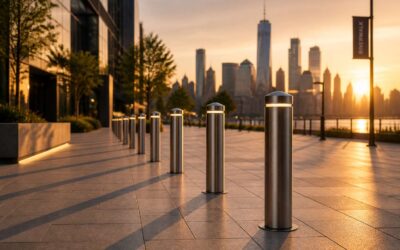
what do bollards do? They stand as quiet sentinels along South Africa’s streets, shaping how people move and feel in public spaces. In crowded avenues they mark a boundary between commerce and collision, nudging pedestrians to step with care and intention!
Their core functions are practical and humane: to shield pedestrians and storefronts from vehicle intrusions, to define safe zones for foot traffic, and to guide flows through busy precincts. These quiet mechanisms reveal their versatility:
- Protect pedestrians and storefronts from vehicle intrusions
- Define safe zones for foot traffic and accessible seating
- Improve wayfinding and traffic flow in busy commercial districts
Made from steel, concrete, or composite blends, bollards endure Cape Town winds and Gauteng rush with equal aplomb, bending to design rather than breaking a narrative of safety. They invite a patient tempo to our streets, a reminder that infrastructure can be mindful and human!
Control vehicle access and improve pedestrian space
On South Africa’s sun-washed streets, safety feels like a shared ritual. In my walks through Cape Town and Joburg precincts, bollards rise not as obstacles but as calm guardians. So what do bollards do? They control vehicle access and gently sculpt space for pedestrians, turning crowded avenues into measured, walkable corridors.
- Define safe zones for foot traffic and accessible seating
- Guide flows through busy precincts with clear sightlines
- Anchor public space aesthetics while performing practical safety duties
From steel to concrete to composite blends, bollards are built to endure the gusts and rush of South Africa’s urban tempo while bending to design narratives of safety. They invite a patient tempo and remind us that infrastructure can be mindful and human!
Enhance public safety with visibility and traffic management
On South Africa’s sun-scorched avenues, safety wears a quiet, architectural cloak. A recent urban study notes that 37% of near-misses happen near curb edges when visibility falters, turning streets into tense, whispered spaces. Bollards rise as patient sentinels, bending traffic away from pedestrians without shouting.
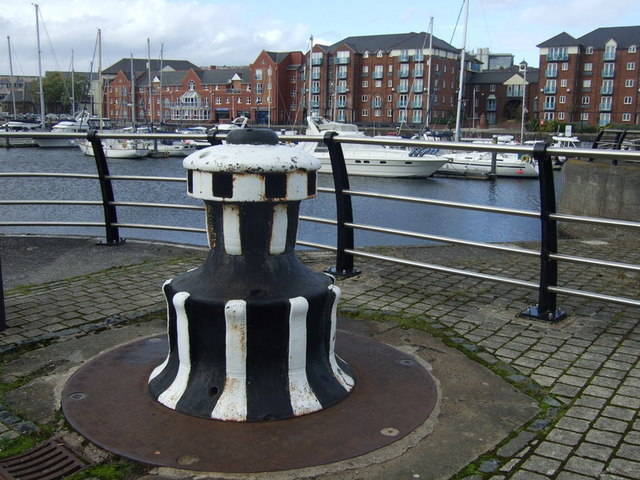
So, what do bollards do? They sculpt space for pedestrians and sharpen visibility for drivers, turning crowded sidewalks into calmer, legible corridors.
- Clarify sightlines between storefronts and moving traffic
- Direct pedestrian flows with subtle, intuitive cues
- Anchor aesthetics while resisting impact and wear
From steel to composite blends, they endure the gusts and rush of urban tempo while wearing a design narrative of safety. They invite a slower tempo and remind us that infrastructure can be mindful and human!
Support urban design through durable, weather-resistant materials
In South Africa’s sun-sculpted streets, safety wears a patient architectural cloak. what do bollards do—quietly guiding, not shouting—so pedestrians share space with confidence. They sculpt sightlines and calm crossings, turning crowded sidewalks into legible promenades.
Understanding their core functions means embracing materials that endure. The core of urban design is durability: weather-resistant steel, powder-coated aluminium, and modern composites that resist corrosion and grime. From steel to composite blends, they endure gusts and urban tempo while wearing a design narrative of safety.
- Durable materials that stand up to sun, rain, and wear
- Coherent profiles that complement storefronts and streetscapes
- Low maintenance finishes that stay legible with time
These sentinels invite a slower tempo—an urban pause where visibility, guidance, and grace converge into everyday safety.
Types of bollards and where they are used
Traditional concrete and steel bollards for long-term installations
What do bollards do? They shape space, guard pedestrians, and tell the street who has priority! In South Africa’s bustling towns and coastal avenues, a sturdy bollard is a quiet storyteller—standing against missteps and gusts while inviting safe movement.
Types of bollards and where they are used: Traditional concrete and steel bollards for long-term installations anchor resilience and order in lively streets.
- Traditional concrete bollards for long-term installations
- Steel bollards with weatherproof finishes
In South Africa’s climate, concrete endures, while steel can be galvanized or epoxy-coated to resist coastal winds and desert heat. Finishes and foundations are part of the design, letting a bollard slip into the city as a quiet architect rather than an afterthought.
Removable and retractable bollards for flexible access
Removable and retractable bollards breathe flexibility into South Africa’s busy streets, where shifts in tempo demand both protection and passage. what do bollards do? They pivot from steadfast guardians to temporary gateways, letting a promenade breathe after dusk or during a festival while keeping pedestrian spaces sacred.
Used where events, deliveries, or emergency access require a breathing room, removable bollards sit in recessed sleeves, lockable with a key, and rise when needed. For places that host crowds, they offer controlled access without permanent barriers.
- City plazas
- Harbourfront promenades
- University campuses
Retractable bollards, typically hydraulic or motorized, tuck into the ground with little fanfare. When weathered coastlines or desert winds challenge metal, galvanised or epoxy-coated finishes keep them stoic. In urban planning, they become quiet storytellers—fluid, but never forgetful.
Crash-rated and impact-resistant bollards for high-security zones
Crash-rated bollards are urban insurance, capable of stopping a vehicle at the edge of a storefront or lobby. They come in fixed steel forms or reinforced concrete sleeves that swallow impact and keep critical spaces secure. If you ask “what do bollards do,” the answer is blunt: they separate risk from everyday life.
These bollards shine in high-security zones where predictable performance matters more than flash. Fixed installations offer immediate protection with a clean footprint, while flush-mounted options minimize street clutter in busy precincts. They’re the quiet backbone of risk management, standing guard without shouting.
- Airports and government complexes
- Banks, data centers, and critical infrastructure
- Museums, stadiums, and major retail precincts
- Industrial hubs and logistics facilities
Finished with galvanised or epoxy coatings to withstand South Africa’s climate and coastal winds, crash-rated bollards prove that durability and design can share the sidewalk with style.
Decorative and architectural bollards that blend with streetscapes
Across urban studies, well-chosen bollards cut vehicle intrusions by up to 70% in treated corridors. what do bollards do? They impose a discreet border that lets pedestrians breathe while the road keeps its temper, turning fear into calm.
Decorative and architectural bollards are more than grit; they are sculpture that works. They blend with streetscapes—fluted cast iron, brushed stainless steel, timber sleeves, or faux-stone finishes—while offering durability against South Africa’s coastal winds.
- Fluted cast iron
- Stainless steel silhouettes
- Stone sleeves
They find homes along heritage routes, waterfront promenades, university entrances, and high-street arcs, where safety and style walk hand in hand. Decorative bollards mark thresholds without shouting, turning utilitarian posts into landmarks that guide pedestrians through space.
Key features and design considerations for bollards
Material selection, durability, and maintenance requirements
A sentinel of steel and stone, the modern bollard does more than mark a line; it shapes safety with quiet, decisive hands. A seasoned planner once whispered, “Bollards are the quiet guardians of space,” and South Africa’s sunlit streets bear that truth. So, what do bollards do? They balance space, deter intrusions, and guide movement with poise and restraint.
Material selection and maintenance determine how long that balance lasts. In demanding climates, intelligent choices favour corrosion-resistant finishes and thoughtful geometry that sheds impact. Maintenance stays pragmatic: regular cleaning, weld and base checks, and timely recoats to keep lines crisp. The tale of durability is written in finishes, joints, and the ease of inspection over the years.
Impact resistance ratings and testing standards
Bollards are the quiet guardians of space—impact resistance is their shield. So, what do bollards do? They absorb impact energy and guide movement, keeping pedestrians safe and spaces accessible.
Key features and design considerations focus on geometry, anchor systems, coatings, and visibility. The right profile sheds energy effectively, the base ensures permanence, and weather-ready finishes resist SA sun.
- Impact resistance ratings and testing standards: EN 1317, ASTM F2656, and local adaptations
- Angle and height choices to reduce ricochet and improve line of sight
- Maintenance-friendly coatings and modular bases for easier replacement
Installation guidelines and anchoring methods
Sturdy silhouettes anchor streets like sentinels. Key features for bollards hinge on geometry that dissipates energy, durable anchors, and weather-ready coatings that endure SA summers. The right profile directs impact into the ground, while a solid base ensures permanence. A quiet sculpture, yet a relentless guardian.
So, what do bollards do in practice? They absorb energy, guide traffic, and protect pedestrians.
- Concrete pedestals and reinforced anchors for permanence
- Through-bolts or epoxy anchors for a solid hold
- Modular bases for quick inspection and replacement
Installation requires alignment with sightlines, careful height selection to curb ricochet, and anchors matched to the substrate and maintenance plan.
Aesthetics, color options, and branding alignment
Three seconds can determine a street’s mood. To answer what do bollards do, they sculpt space with quiet authority, turning asphalt into a narrative of safety and grace. I watch their silhouettes balance presence with restraint, especially under the South African sun, where lines must breathe, not shout.
Aesthetics hinge on color and texture; the right palette makes a boulevard feel deliberate rather than accidental.
- Powder-coated neutrals, bold accents, and durable sheens
- Architectural patinas that age with character
- Brand-aligned palettes drawn from corporate or municipal identity
- Texture options that invite touch without glare
When a street echoes a brand, the bollards become ambassadors—consistent echoes alongside signage, planters, and lighting. The result is cohesion that feels inevitable, not choreographed.
Accessibility and compliance considerations for pathways
On busy streets, the mood is set by the quiet geometry of bollards—the right ones steer pedestrian flow, and what do bollards do becomes a study in balance. They sculpt space with authority, balancing safety with urban rhythm. Durable materials—steel, concrete, or composites—stand up to sun and rain, with finishes that resist glare. A measured height and diameter keep sightlines clear, inviting movement rather than obstruction. A single silhouette can set the street’s tone instantly.
Accessibility and compliance considerations for pathways demand empathy for every user.
- Unobstructed pedestrian clearances for wheelchairs and mobility aids
- Visible contrast and textured surfaces for tactile navigation
- Safe transitions at ramps and curb lines that prevent trips
- Compatibility with signage and wayfinding cues to preserve legibility
I watch the urban stage—the bollard whispering rather than shouting—a quiet ally of light and planters. In South Africa, balance in form and function keeps streets welcoming and safe.
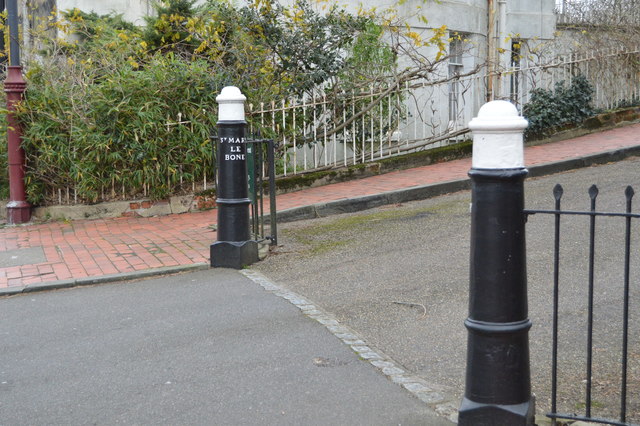
Practical applications across industries
Retail and commercial districts to manage curbside zones
Retail streets pulse with energy and the daily ballet of shoppers, delivery vans, and café tables. what do bollards do in this rhythm? They carve out safe, predictable curbside zones that keep people moving while goods arrive on time, the street staying welcoming rather than chaotic.
Across South Africa’s urban cores, these simple lines of steel or composite play a quiet but vital role in shaping experience. They anchor outdoor dining, loading points, and pickup lanes, helping merchants balance access with the human need for space.
- Outdoor dining and pedestrian-friendly terraces
- Delivery and curbside pickup zones
- Emergency and service vehicle access where needed
Whether in a bustling shopping strip or a growing mall precinct, the right bollard setup harmonizes security, convenience, and hospitality, turning curbside zones into extensions of the storefront and community.
Public transit and urban plazas for safe pedestrian flow
The street hums with buses, vendors, and the crisp shuffle of commuters. In this rhythm, what do bollards do? They steady the pulse, carving safe lanes and predictable pauses that keep pedestrians clear and merchants open to curious passersby in transit hubs and urban plazas.
- Public transit corridors and stations
- Urban plazas and pedestrian malls
- School campuses and event spaces
Across South Africa’s urban cores, these modest lines of steel or composite quietly shape experience, guiding foot traffic through busy gateways and revived street corners alike. They balance access with safety, transforming curbside zones into inviting routes that accommodate daily life, while staying ready for the next surge of activity.
Industrial facilities and warehouses to protect assets
In South Africa’s bustling warehouses, a single bollard can mean the difference between a smooth shift and a costly mistake. The loading bay is a high-stakes stage, where every inch counts and every dent costs money. The question what do bollards do is answered in practice: they act as resilient guides that keep forklifts in aisles, protect pillars from impact, and safeguard stored assets.
Practical applications across industrial facilities and warehouses include:
- Defining forklift lanes to minimize cross-path incidents
- Shielding loading docks and pallet racks from vehicle intrusion
- Channeling yard traffic to protect high-value assets and equipment
- Marking safe pedestrian crossings near busy cargo areas
Used thoughtfully, bollards become a low-profile risk manager, quietly preserving uptime and keeping South Africa’s supply chains humming.
Event spaces and venues for crowd control
In South Africa’s bustling event spaces, space is currency and calm is craft. Venues that choreograph flow with tactile cues and restrained vehicles see smoother operations and safer crowds. what do bollards do: they act as deliberate, approachable guides that anchor sightlines and prevent errant vehicle intrusions at access points. Managers report up to 30% faster ingress and egress when zones are clearly defined and vehicles kept at bay.
Practical applications unfold as a quiet choreography:
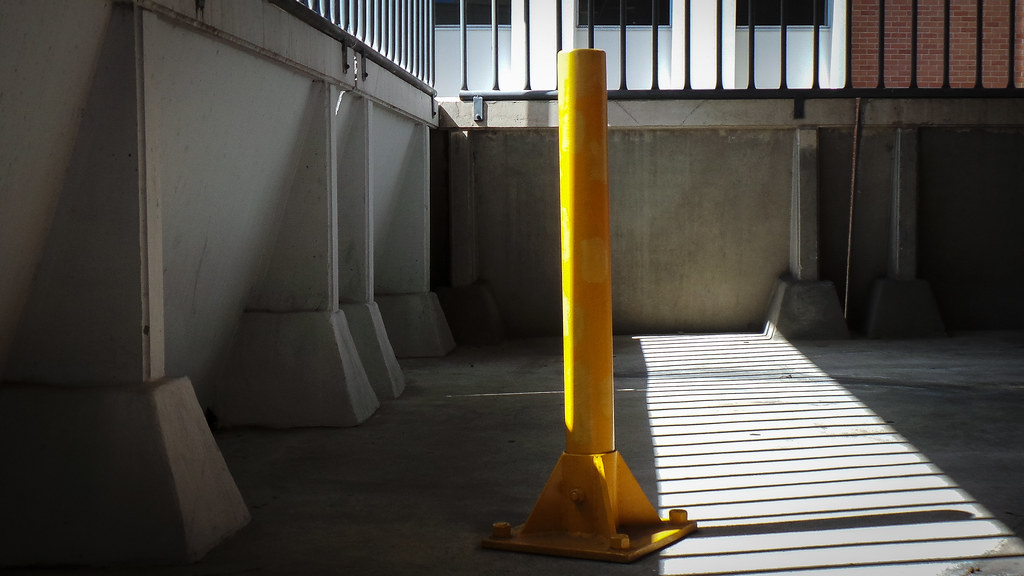
- Defining pedestrian lanes around ticket boxes, bar lines, and staging areas to reduce cross-path collisions.
- Containing queues and preserving sightlines without resorting to rigid barricades.
- Protecting vehicle routes during load-in and high-turnover moments, while keeping emergency access clear.
When mobility meets ambiance, bollards become adaptable actors—removable or retractable for show runs, yet sturdy enough to endure South Africa’s heat and dust. The result is a venue that invites crowds to move safely, with sightlines intact and spaces that breathe.
Parking facilities and garage barriers for traffic separation
In South Africa’s busy car parks and garages, what do bollards do? They are quiet sentinels shaping the dance of steel and pedestrian steps, turning chaos into choreography and fear into calm. They define space without shouting, anchoring sightlines while vehicles respect restrained borders.
- Define vehicle pathways and pedestrian sanctuaries to reduce conflicts at peak times
- Preserve sightlines around kiosks, stairwells, and loading bays
- Protect assets and critical infrastructure from unintended intrusions while maintaining emergency access
Removable or fixed, aesthetic or discreet, bollards adapt to the mood of a space—seasonal shows, late-night shifts, dust and heat. They lend a sense of order and safety, letting crowds move with confidence through parking facilities and garages as if guided by an invisible, patient hand.

0 Comments