
Bollards and perimeter security: an SEO-focused outline
Section 1 Subsection 1 – Threat landscape and goals
The perimeter is where safety begins and ends, and in South Africa I’ve seen how that truth lands like a warm handshake on a chilly morning. Even small spaces—driveways, courtyards, parking bays—become telling chapters in a site’s security story.
Threat landscape: opportunists, ram-raids, and tailgaters target vulnerable gates. bollards security becomes a visible promise; opener of time and space. “The perimeter is the first shield,” a field security professional once told me. It’s not only about stopping a car; it’s about shaping space so pedestrians feel secure as they move through the site.
- Ram-raiding and vehicle intrusion
- Tailgating and unauthorized entry
- Garage or loading dock breaches
Goals for perimeter protection in this context include deterring threats, channeling vehicle access, and preserving aesthetics in South Africa’s varied towns. With thoughtful design, bollards security supports safe queuing, loading, and pedestrian routes, while staying mindful of the rural-urban blend that marks the country.
Section 1 Subsection 2 – Key terms and definitions
In South Africa’s evolving streetscapes, space becomes safety when the perimeter speaks first. A veteran field security practitioner reminded me: protect the approach, and you protect the day!
Bollards are vertical sentinels that halt or steer wheels while sparing pedestrians. They range from steel to concrete, fixed or retractable, chosen to balance protection with aesthetics in busy driveways and courtyards, a staple of bollards security.
- Impact rating: how much force a barrier can resist
- Perimeter protection zone: the guarded footprint surrounding an entry
- Deflection vs. intrusion: choosing stopping power over space
Perimeter security extends beyond blockades to lighting, surveillance, and landscaping, ensuring humane flow for queues, loading, and pedestrians. Clear terminology helps professionals and clients align on expectations and outcomes without losing sight of place and style.
Section 1 Subsection 3 – Regulatory relevance and standards
In South Africa, regulatory relevance shapes every design choice before a single bollard is installed. The standards governing perimeter security demand that performance metrics align with risk, from impact resistance to deflection limits, and that installations meet building and safety codes. I’ve learned that when these rules are honored, bollards security translates into trusted spaces where people move with confidence.
- Local approvals and zoning
- Occupational health and safety
- SABS/SA standards and testing
South African authorities increasingly require verification of testing, labeling, and continuous maintenance, linking safety outcomes to design choices. By harmonising site plans with regulatory expectations, designers and clients avoid costly rework and protect the public realm with authority.
Section 1 Subsection 4 – Risk assessment basics
In South Africa’s bustling streets, risk is not an abstraction—it’s a daily occurrence that shapes where people move and linger. This bollards security approach is not a mere product choice; it’s a design philosophy that starts with context, velocity, and human behavior.
Risk assessment basics for perimeter defense ask what needs protection, how threats converge with site realities, and what consequences a breach would trigger. It balances likelihood with impact, guiding decisions about where, why, and how much resilience is required.
- Vehicle-terrain dynamics: how a potential impact could unfold at corners, entrances, or loading docks
- Pedestrian interactions: sightlines, crowd movement, and escape routes
- Asset value and exposure: critical points that warrant greater protection
- Maintenance and labeling: how ongoing care affects performance
When the risk picture is clear, the approach aligns with site realities, turning informed choices into trusted spaces where people move with confidence.
Section 2 Subsection 1 – Fixed vs removable bollards
Security is a posture, not a product—especially on South Africa’s busy streets where bus stops and storefronts crowd the curb. A recent security survey found that 60% of perimeter breaches occur near access points, proving that timing and placement matter. bollards security isn’t brute force alone; it’s space working with risk.
Fixed bollards stand like sentinels—unyielding and permanent. Removable bollards offer flexibility for events or deliveries, letting the street adapt without constant reconstruction. A smart mix often yields the most resilient perimeter.
- Fixed bollards: maximum resistance, long-term presence
- Removable bollards: controlled access, seasonal adaptability
When choosing for South Africa, sightlines, traffic patterns, and maintenance labeling shape how people move—confidently and safely. This is a philosophy of balance between control and flow.
Section 2 Subsection 2 – Material and construction options
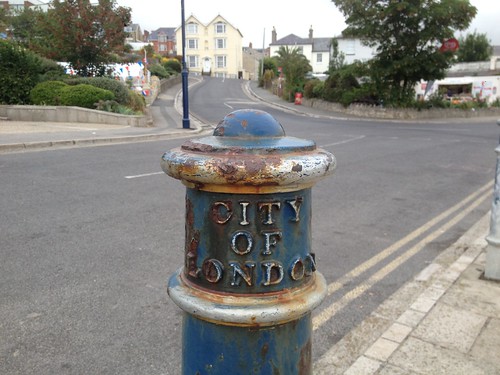
In the world of bollards security, the material you pick wears more hats than a street-side vendor on payday. South Africa’s bustling sidewalks—where bus bays crowd the curb and deliveries jockey for space—demand more than brute force. The right mix of steel, concrete, and smart coatings will outlast heat, rain, and the daily rhythm of city life. It’s armor that ages gracefully and shows up when it matters, keeping pedestrians safe and shops confident as the street keeps moving.
- Steel with hot-dip galvanization for coastal durability
- Stainless steel for corrosion resistance and a clean look
- Concrete or UHPC for heavy-duty, low-maintenance needs
- Polymer composites or fiberglass for lighter, modular setups
Options influence cost, maintenance cadence, and how often upgrades are needed, but the result is a perimeter that feels solid without becoming an ossified monument.
Section 2 Subsection 3 – Crash ratings and testing
Perimeter resilience is more than metal and bolts; it’s a commitment to public safety. In the tempo of urban life, a single robust bollard becomes a quiet guarantee. This is bollards security—the promise that a well-tested barrier shows up when it matters and deflects calamity before it reaches the street.
- Full-scale crash tests simulate real-world vehicle impact at defined speeds and masses.
- Standards such as EN 1317, PAS 68, and IWA 14-1 define ratings and acceptable failure modes.
- Performance metrics include penetration, deflection, and residual movement after impact.
In South Africa, manufacturers and installers harmonize crash ratings with local risk profiles, ensuring that tests reflect regional vehicle types and traffic patterns. The result is a perimeter that remains secure under pressure and a standard that stakeholders can trust as the street keeps moving.
Section 2 Subsection 4 – Design and aesthetics considerations
A well-cut line of modern bollards can feel almost invisible—yet it exerts a quiet, unwavering authority over a street. In bollards security, form and function marry, turning protection into part of the city’s language rather than an afterthought. Color, silhouette, and texture influence how pedestrians move and how drivers respond, so design becomes safety in motion rather than a barrier with an attitude!
Key considerations include:
- Form and proportion that respect sidewalks and storefronts
- Finish and weather resistance compatible with South African climates
- Lighting integration for visibility at night
- Branding and wayfinding that reassure without shouting
In South Africa, this balance between aesthetics and resilience helps ensure that streets feel welcoming while staying secure.
Section 2 Subsection 5 – Automation and smart integration
Smart bollards are no longer static sentinels; they converse with cameras, sensors, and traffic signals in real time. Automation and smart integration are reshaping perimeter security by turning a barrier into a responsive asset!
In South Africa’s diverse urban fabric, sensors can distinguish pedestrians from vehicles and adjust lighting, access, and flow accordingly, reducing disruption while maintaining protection.
Within bollards security, look for systems that offer remote monitoring, rapid reconfiguration, and robust cyber-physical protections.
- Real-time monitoring and remote management
- Adaptive sequencing and fast-acting retraction
- Integrated alerts and data analytics for maintenance
As cities evolve, the margin between security and welcome becomes a living, intelligent street language.
Section 3 Subsection 1 – Site surveys and traffic analysis
Site surveys and traffic analysis map protection in real time. “Protection starts with a map,” we say. They reveal how pedestrians, vehicles, and bikes flow through a space, where conflicts emerge, and where a barrier can blend into daily life. In South Africa’s streets, this insight turns perimeter planning into precise action, not guesswork.
From these findings, bollards security design adjusts spacing, diameter, and retraction options to fit the site. The goal is protection that feels natural, guiding traffic safely while minimizing disruption and keeping entrances accessible during peak hours. This is in action: adaptive and data-informed.
Site surveys guide materials, finish, and maintenance, ensuring resilience against weather. The result is a perimeter that deters threats while welcoming people. In South Africa, we balance security with street life, aligning assets for safer, inviting corridors. The bollards security approach scales to demand!
Section 3 Subsection 2 – Accessibility and legal requirements (ADA)
Accessible security is not an afterthought; it’s the skeleton that supports a confident perimeter. In Section 3 Subsection 2, accessibility and legal requirements—anchored to ADA-inspired principles—shape bollards security so paths remain navigable for wheelchairs, prams, and staff during peak hours in South Africa’s streets: protection as invitation, not barrier.
- Clear width of at least 1.2 m for wheelchair passage and pedestrian flow
- High-contrast finishes and tactile cues for the visually impaired
- Accessible operation and maintenance, including easy activation without compromising security
These constraints become design lore rather than compliance fine print, ensuring entrances stay welcoming while upholding treaty with the law and common courtesy in urban corridors.
Section 3 Subsection 3 – Geotechnical and drainage considerations
In a country where every pothole tells a story, the ground beneath a bollard is the quiet backbone of security. Stability underfoot anchors bollards security strategy in this geotechnical and drainage-oriented facet. South Africa’s varied soils—reddish clays, sandy pockets, and weathered limestone—demand a design that respects bearing capacity and settlement tendencies. Proper drainage keeps hydrostatic pressures at bay and preserves the barrier’s vertical alignment against the daily tide of pedestrians and vehicles. When the subsoil cooperates, perimeter protection feels innate—unobtrusive, steadfast, and ready!
- Soil bearing capacity and settlement tendencies
- Drainage design to prevent hydrostatic buildup
- Subsurface utilities and vibration paths
These realities anchor the perimeter in place, turning potential terrain into a trusted ally in our shared streets.
Section 4 Subsection 1 – Installation methods and anchoring
Under the cloak of ordinary streets, installation methods shape the fate of security for good. When choosing how to anchor bollards, you weigh permanence against terrain, aesthetics against access. Permanent options lean on reinforced concrete pedestals and cast-in sleeves, while surface-mount plates offer clean lines with rapid deployment. Epoxy anchors and expansion bolts bite into solid foundations, ensuring the barrier stands firm even as crowds shift and weather tests resolve.
Consider these common approaches:
- In-situ concrete pedestals for permanent fixtures
- Bolt-down plates for flexible layouts
- Adjustable sleeve anchors to align with curb lines
In this cityscape, bollards security is a quiet vow whispered at the curb.
Section 4 Subsection 2 – Coordination with utilities and other barriers
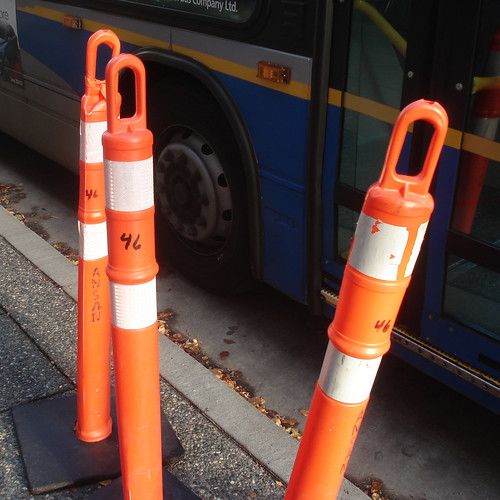
In the street’s calculus, the curb is a quiet interface where civil life meets infrastructure. Coordinating bollards with utilities and other barriers isn’t cosmetic—it’s essential to bollards security. Designers map underground cables, drainage, and gas lines early, ensuring protective posts don’t obstruct service or future repairs. In South Africa’s municipal fabric, this means aligning with Eskom feeder routes, water main corridors, and fibre paths while preserving access for maintenance crews and emergency services. When the plan respects subsurface realities, the result is resilient, unobtrusive protection that ages gracefully with the city.
To balance competing demands, consider:
- Utilities alignment and future expansion
- Compatibility with other barriers (gates, planters, seating)
- Clear maintenance access and sight lines
Done thoughtfully, bollards security becomes a neighbor rather than an obstacle, a quiet promise woven into our urban fabric.
Section 4 Subsection 3 – Maintenance and inspection schedules
Perimeter performance hinges on maintenance. Industry observers note that up to 60% of perimeter issues stem from skipped inspections. That quiet risk is what a disciplined maintenance schedule defeats. In South Africa’s urban spaces, a reliable cadence translates into durable, unobtrusive protection.
We pair visual checks with functional tests to keep bollards in top shape. This is where bollards security becomes real—watch for corrosion, loose anchors, or base movement.
- Visual inspection of posts, bases, and coatings
- Anchor integrity and pad stability
- Locking mechanism and removable bollards function
- Clearance, sight lines, and accessibility
We document findings and track fixes, rechecking until the history shows no recurring faults. A well-kept log is as important as the hardware.
Section 4 Subsection 4 – Cost, ROI, and total ownership
In South Africa’s busy CBDs and coastal towns, the true price of a perimeter breach is counted in downtime and reputational damage, not just a price tag. When cost, ROI, and total ownership are weighed, a disciplined bollards security strategy pays dividends long after the first bolt is tightened.
Upfront costs cover design, materials, and installation, but the long game hinges on total cost of ownership. Ongoing maintenance, inspections, and eventual hardware refresh shape the real value.
- Upfront purchase and installation charges
- Ongoing maintenance, inspections, and replacement parts
- Downtime risk, insurance implications, and long-term durability savings
ROI emerges from reduced incidents, smoother operations, and lower liability. In South African contexts, durable, reliable installations translate into protected assets and steady operating continuity—the kind of resilience that compounds across years.
Section 4 Subsection 5 – Scalability and future-proofing
In South Africa’s busiest CBDs, a single perimeter breach costs an average of two hours of downtime—enough to ripple through operations and erode trust. Future-proofing isn’t optional; it’s the lifeblood of security architecture, and bollards security must flex as cities breathe and reconfigure. Section 4 Subsection 5 treats scalability as a living principle: modular by design, upgradeable over time, and resilient against tomorrow’s threats.
As landscapes shift, so too must the barriers that gate them.
- Modular bollard systems that can scale by adding or removing sections
- Remote diagnostics and OTA firmware updates to stay ahead of threats
- Unified management that ties into lighting, access, and incident logging
Ultimately, this approach keeps bollards security adaptable for South Africa’s evolving streets.
Section 4 Subsection 6 – Case studies and practical examples
Across South Africa’s CBDs, a barrier can do more than stop wheels—it can keep commerce thriving. Pilot programs in Durban and Cape Town show incident resolution times drop by nearly 30% when adaptive bollard configurations are deployed. These stories aren’t magic; bollards security blends engineering with urban storytelling, turning streets into safer spaces.
- Gauteng transport hub reconfigured lanes with modular sections, boosting pedestrian safety and keeping buses moving during events.
- A shopping precinct integrated bollards security with lighting and cameras, easing queues and improving ambience at peak hours.
- An international airport tested remote diagnostics and OTA updates to monitor impacts and speed fault resolution.
From Sandton to Sea Point, these case studies show how perimeter protection can bend with the city’s needs without breaking its rhythm. The thread is simple: modular, upgradeable systems keep pace with events, commuters, and streets. It becomes an ally—engaged, ready for tomorrow.


0 Comments