
Overview of bollards and control types
What are bollards and where they are used
Streets move, but safety hinges on a single object. A crisp stat catches attention: in dense urban cores, well-placed bollards can reduce vehicle intrusions by up to 70%. The query ‘bollards are an example of which type of control’ is worth answering—these are physical barriers that shape space and choice. I like to think of bollards as quiet guardians on our streets!
Bollards are sturdy posts fixed to the ground to deter or divert traffic, shielding pedestrians and property. They come in steel, concrete, or polymer coatings, with fixed, retractable, or collapsible options—each balancing mass, visibility, and maintenance.
In South Africa, you’ll spot bollards in bustling precincts, centres, transit entrances, and industrial parks.
- City streets and business districts
- Shopping centres and plazas
- Transit hubs and airports
- Industrial estates and perimeters
Viewed as a preventive control, bollards sit in a layered security approach, alongside lighting, cameras, and staff.
Understanding physical security controls
In the security taxonomy, “bollards are an example of which type of control”—and the answer is simpler than a coffee order: they’re physical security controls. More specifically, they function as preventive barriers that alter space and choice before trouble arrives.
Bollards come in steel, concrete, or polymer coatings and can be fixed, retractable, or collapsible. Each option weighs up safety, visibility, and maintenance while keeping sidewalks open for pedestrians and businesses alike.
Common varieties include:
- Fixed bollards: permanent, high-visibility protection that requires no action to stay effective.
- Retractable bollards: motorized or manual, allowing access when needed.
- Collapsible bollards: lightweight, quickly lowered in zones with dynamic use.
Placed as part of a layered security approach, bollards pair with lighting, surveillance, and staff to shape access in busy South Africa’s streets—across CBDs, shopping centres, transit hubs, and industrial estates.
Why bollards are considered a control measure
Across South Africa’s busiest streets, spaces that invite strolls while denying trouble are a rare art. A recent market note suggests that well-placed barriers can reduce near-misses by up to 25%. The question lingers: “bollards are an example of which type of control”—and the answer is elegant in its simplicity: they are physical security controls that shape movement before risk arrives.
Bollards stand as preventive guardians, altering space and choice before trouble arrives. They endure in steel, concrete, or polymer coatings, and appear fixed, retractable, or collapsible. Each option weighs safety, visibility, and maintenance, keeping sidewalks open for pedestrians and South Africa’s vibrant streets.
In practice, these quiet sentinels shine when paired with lighting, cameras, and staff as part of a layered approach.
- Fixed: permanent, high visibility
- Retractable: on-demand access
- Collapsible: quick adaptability
The role of bollards in urban safety and access management
The question “bollards are an example of which type of control” has a simple answer. The answer is straightforward: physical security measures that shape movement before risk arrives. In urban South Africa, they are quiet sentinels on busy streets, guiding where pedestrians gather and where vehicles pause, without shouting for attention.
Common form factors include:
- Fixed: permanent, high visibility
- Retractable: on-demand access
- Collapsible: quick adaptability
In practice, these physical sentinels are preventive guardians that carve space and choice, balancing safety with the rhythm of the street. They shine when paired with lighting, cameras, and staff as part of a layered approach across South Africa’s busy sidewalks.
Bollards as a physical security control
Definition of physical security controls
Shadows cling to the city, but steel sentinels endure. I watch their patient vigil as physical security controls guard people and property by shaping access and movement. bollards are an example of which type of control. They stand at the edge of danger, converting potential breach into a measured pause!
- Vehicle denial
- Impact absorption
- Traffic guidance
Definition: Physical security controls are measures that protect people and assets by physical means, not by software or passwords. bollards function by stopping or delaying vehicle access, absorbing impact, and guiding traffic away from doors and windows.
In South Africa’s busy precincts, these silhouettes preserve rhythm, safety, and access for responders.
How bollards function to prevent vehicle intrusion
Across South Africa’s city arteries, a quiet arithmetic of risk is solved by steel. “A barrier is the first line of defense,” one veteran security engineer reminds us, and the cities listen. Shadows cling to the edges, while bollards stand as patient sentinels, shaping movement without a single word.
bollards are an example of which type of control. They function by stopping or delaying vehicle access, absorbing impact, and guiding traffic away from doors and windows.
- Vehicle denial
- Impact absorption
- Traffic guidance
From Cape Town to Durban, these silhouettes preserve rhythm and safety for responders. They are a practical myth, turning potential breach into a measured pause.
Material and design considerations for effectiveness
Across South Africa’s city arteries, risk is measured in metal and margin. In the dawn’s hush, a bollard becomes a quiet hinge between momentum and protection; the street breathes, and intrusion stalls. Studies from urban security programs suggest hardened barriers near entry points can reduce intrusion attempts by up to 70%.

bollards are an example of which type of control.
They anchor access as guardians, not bludgeons, guiding motion with precise restraint.
- Hot-dipped galvanised steel provides corrosion resistance suited to SA climates.
- Stainless steel or reinforced concrete cores boost strength for high-load sites.
- Coatings such as epoxy or powder finishes combat abrasion and graffiti.
From Cape Town to Durban, the profile matters as much as the metal. Round, square, or tapered forms shape energy absorption, rebound, and the quiet language of protection. Foundation depth and soil character govern the long arc of effectiveness!
Compliance and standards for bollard installation
Compliance and standards shape how bollards are installed and maintained across South Africa’s bustling streets. bollards are an example of which type of control, and understanding this framing helps planners align procurement with safety outcomes and budgets, turning metal into a measured promise rather than a blunt barrier.
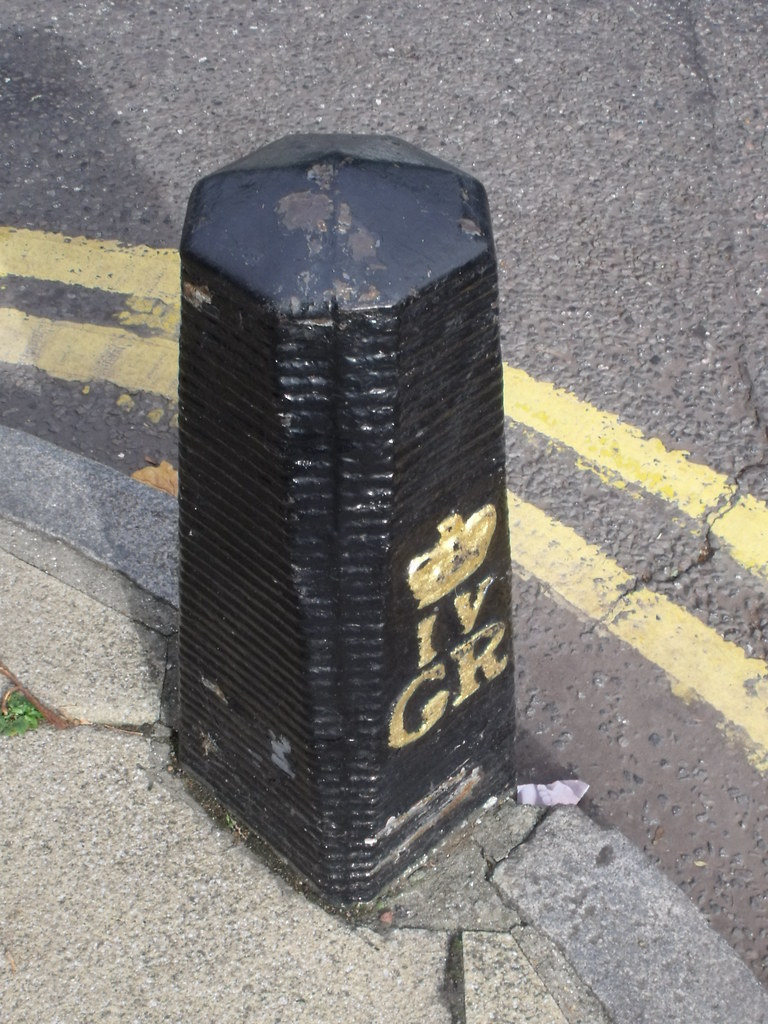
Key compliance touchpoints include:
- Foundation depth and soil suitability
- Minimum load, impact rating, and testing requirements
- Durable coatings, corrosion protection, and material performance
- Regular inspection and maintenance cycles
From coastal winds to inland heat, the selection of material, coating, and discrete anchorage shapes performance over decades. When installation standards are followed, bollards contribute to urban safety without stealing the street’s character—quiet, precise guardianship that respects both motion and protection.
Classification of controls in security and safety
Administrative vs physical controls
South African city streets pulse with a quiet arithmetic of safety, where every barrier adds to the ledger of risk. bollards are an example of which type of control, a question at the crossroads of policy and pavement. When a sturdy post halts a determined vehicle, it feels almost like a spell—practical, protective, precisely placed.
Classification of controls in security and safety is a map of intent: administrative controls shape people and process, while physical controls sculpt space. Bollards straddle both worlds, signaling access rules while physically guarding lanes. Together they form a layered shield that is stronger than either alone.
- Administrative controls: policies, risk assessments, training, and signage.
- Physical controls: bollards, barriers, gates, and street furniture designed to deter intrusion.
Where bollards fit in the control model
Streets hum with a quiet arithmetic of risk, and the question at hand is stubborn: bollards are an example of which type of control. In South African cities, the line between policy and pavement grows thinner when lanes crowd together. A steel post stopping a vehicle feels like a vow kept, plain and urgent.
- Physical barriers that deter intrusion
- Policy signals that govern access
- Procedures for monitoring and maintenance
Classification in security and safety maps intent onto space and behavior. This framing helps planners balance protection with public life. The model embraces both physical barriers and the cues that guide people.
Together they shape readable rhythms at crossings, without smothering movement.
Examples of comparable controls like barriers and planters
bollards are an example of which type of control. In the taxonomy of safeguards, I see the street split into tangible barriers, the quiet language of policy, and the rituals that keep them alive. The street becomes a field where deterrence, guidance, and upkeep compose a readable rhythm.
Comparable controls—barriers that block passage and planters that soften edges—play with the same logic, carrying a visible cue that says stay here or move along. They work in concert with bollards, offering a balance between protection and public life.
In South African streets, the craft matters as much as the material. The model rewards both intention and craft, guiding crowds while preserving movement. I see an urban choreography emerge—firm when needed, forgiving when possible—and the city breathes a little easier.
Risk assessment impact on bollard selection
Classification of controls in security and safety takes its place at the street level. In South Africa, risk assessment guides bollard selection, balancing deterrence, guidance, and upkeep while imagining the city as a living organism. The question “bollards are an example of which type of control” often lands in the realm of physical safeguards that shape movement without turning streets into impassable walls.
Key considerations in this local context include:
- Threat level and vehicle dynamics
- Pedestrian exposure and access routes
- Maintenance, resilience to weather, and legibility
When viewed this way, bollards become a choreography of safety—visible cues that say stay here or move along, and I see the city breathing—responsive and lively.
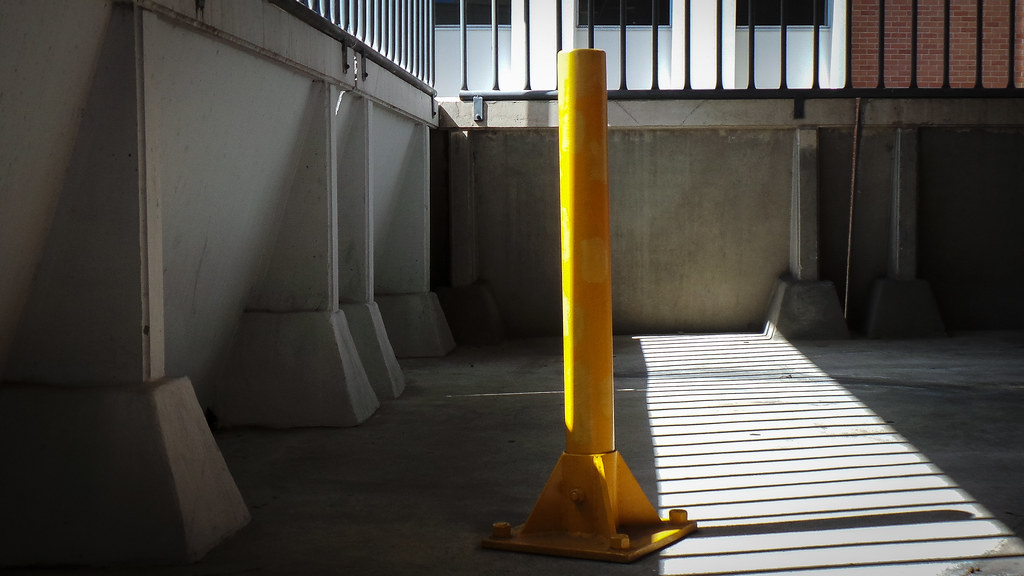
Public space design considerations
In South Africa’s living urban spine, a lone bollard can steer flow as softly as a whispered cue. bollards are an example of which type of control. A careful blend of deterrence, guidance, and upkeep shapes spaces that invite rather than imprison.
Designers weigh threat levels, vehicle dynamics, and pedestrian routes to balance safety with accessibility. Public space design considers weather resilience and legibility, ensuring that everyday movements feel natural while risks are contained—without turning streets into barriers.
- Deterrence: visible cues that deter approaching vehicles
- Guidance: shaping routes and expectations for pedestrians
- Upkeep: durability and legibility under weather and wear
Use cases and industries
Urban infrastructure and pedestrian safety
Across South Africa’s busy streets, a quiet line of steel can alter a day. bollards are an example of which type of control — a question at the crossroads of safety and space. They fuse restraint with urban design, turning risk into order!
Use cases and industries span urban infrastructure and pedestrian safety. The following contexts show how space becomes usable and secure:
- Protected pedestrian zones
- Transit hubs and plazas
- Public campuses and event spaces
These roles weave safety into everyday life, supporting design-led streets that encourage movement and shared space rather than fear.
Commercial properties and storefront protection
In South Africa’s city nights, a quiet line of steel governs the drama of the street. bollards are an example of which type of control, a question at the crossroads of safety and space, and its answer unfolds where storefronts meet pavements, turning potential chaos into calm.
For commercial properties and storefront protection, bollards guard glass and crowd flow without marring merchandising. I watch them stand at the edge of elegant façades and busy entrances, shaping zones where customers pause, staff breathe, and risk is deterred by design.
- Retail precincts and shopping centres
- Heritage streets and high streets
- Office parks with public plazas
In these shadows, protection wears a practical, almost lyrical silhouette—functional security that preserves daylight and display alike!
Event security and crowd management
In South Africa’s crowded event nights, safety and spectacle share the same air. bollards are an example of which type of control. They are physical sentinels—barriers that stop vehicles, protect pedestrians, and preserve the rhythm of commerce. For event security and crowd management, they mark perimeters, guide foot traffic, and create safe zones around entrances and stages.
Use cases and industries include:
- Venues and outdoor events
- Retail complexes and shopping centres
- Public plazas and transit hubs
They translate risk into order, allowing crowds to breathe and organizers to plan with clarity. In this way, the street becomes a stage where safety and space perform in harmony.
Parking lots and pedestrian pathways
South Africa’s busiest parking lots and pedestrian pathways rely on a quiet, enduring order that keeps commerce flowing and people safe. ‘bollards are an example of which type of control’—a phrase security planners hear—tangible, ground-level guardians that convert risk into rhythm. These steel sentinels stop cars before they reach crowds, while guiding pedestrians along defined routes and preserving sightlines around entrances and kiosks.
Within parking environments, they carve lanes, mark pedestrian refuges, and shield storefronts from a wayward vehicle. In transit and plaza settings, they separate vehicles from queues, delineate entrances, and support accessible pathways.
- Parking lot traffic separation
- Protected pedestrian zones
- Retail frontage protection
Design meets safety, turning streets into stages where movement is orderly and spaces breathe.
Smart bollard technologies and automation
In South Africa’s busiest corridors, every curb tells a story of safety and rhythm! Bollards aren’t mere obstacles; they are quiet choreographers of space, turning risk into reliable flow. Readers often ask, ‘bollards are an example of which type of control?’ The answer lies in how they blend physical restraint with automated versatility, adapting to traffic, crowds and weather in real time.
- Retail frontage protection
- Transit hubs and pedestrian zones
- Public spaces and event security
I see it daily in SA’s crowded streets. Smart bollard technologies and automation extend this control into predictive sensing, rapid reconfiguration, and remote monitoring, aligning urban design with safety mandates in South Africa’s growing cities.
Choosing the right bollards: factors, standards, and best practices
Assessing risk and required protection levels
South Africa’s busy streets show how a single bollard can shape safety and space. bollards are an example of which type of control? They sit at the crossroads of form and function, acting as physical security controls that deter vehicle intrusion while preserving pedestrian flow and sightlines.
- material durability and crash ratings
- height, projection, and coverage
- site context: urban core vs. suburbs
- maintenance and vandal resistance
Assessment of risk and required protection levels guides selection, aligning with local standards and best practices so installations are context-aware and visually respectful of South Africa’s streetscape.
Standards and testing for impactful bollards
Choosing the right bollards is a quiet art, with consequences visible every day on South Africa’s sidewalks. “bollards are an example of which type of control” they fuse resilience with accessibility, shaping pedestrian space while thwarting vehicle intrusion. In the dim glow of streetlights, they stand like sentinels—functional, a little mysterious, and crucial when the city hums at night.
Key factors to weigh, beyond the obvious, include the flow of people and the rhythm of traffic.
- Site dynamics and pedestrian movement
- Load ratings and compliant standards
- Installation approach and stability
- Maintenance, vandal resistance, and lifecycle costs
Standards and testing underpin confidence, guiding context-aware decisions that respect South Africa’s streetscape while delivering dependable protection.
Maintenance, durability, and vandal resistance
A city hums under streetlamps, and a well-placed bollard can keep that hum safe. In South Africa, pedestrian zones are expanding, and bollards are an example of which type of control. They quietly anchor safety while guiding people where to walk.
Choosing right bollards means weighing site dynamics, visibility, and maintenance burden. They should fuse resilience with accessibility, shaping pedestrian space without turning sidewalks into quiet fortresses.
Standards and testing matter. In SA, compliant products pass impact tests and installation guidelines that respect urban rhythms and municipal requirements.
- Durability in local weather and salt air
- Maintenance ease and lifecycle costs
- Vandal resistance and practical aftercare
Maintenance, durability, and vandal resistance emerge as the practical backbone of protection that lasts years, not seasons—keeping storefronts and sidewalks safe after last light.
Cost considerations and lifecycle planning
Choosing the right bollards means balancing street life with safety. In urban spaces, the question bollards are an example of which type of control often comes up—because these quiet guardians shape movement as much as they shield. The best choices fuse visibility with durability and accessibility, guiding pedestrians without turning sidewalks into fortress walls.
Key factors include:
- Site dynamics: vehicle flow, pedestrian routes, and sightlines
- Standards and testing: SA compliance, impact criteria
- Lifecycle costs: upfront vs maintenance and replacement timing
These considerations lead to best practices in selection, placement, and integration with street furniture.
Cost considerations and lifecycle planning shape the total value of bollard deployments in public spaces.
Beyond purchase price, maintenance schedules, coatings, and compatibility with smart city systems drive long-term performance in South Africa’s municipalities.
Integration with lighting, signage, and CPTED principles
Streets across South Africa thrum with life and risk. The line between shelter and siege is fine, and the choice often comes down to intent. In urban policy talk, bollards are an example of which type of control, and the answer shapes every deployment. They quietly steer movement while shielding pedestrians, not turning sidewalks into fortresses.
Choosing the right bollards means weighing site dynamics—vehicle flow, pedestrian routes, sightlines—against standards and testing for SA compliance. Consider lifecycle costs, from upfront spend to maintenance and replacement timing, to keep streets safe without waste.
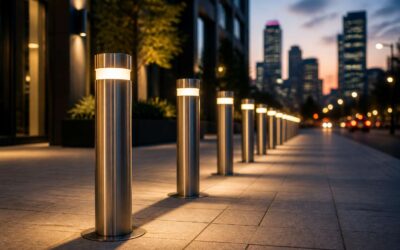
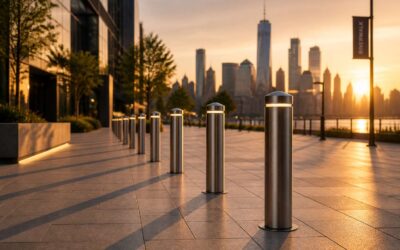
Integration with lighting, signage, and CPTED principles adds clarity and resilience. The best choices fuse visibility with durability and accessibility, guiding people naturally while supporting smart city systems.

0 Comments