
Overview of Parking Lot Bollards
What are bollards and their role in car parks
In the quiet shuffle of a busy parking lot, danger often hides in plain sight. “A barrier today preserves a life tomorrow,” a colleague reminds me, and I feel the weight of that truth every time I map out safer spaces.
Bollards form the backbone of orderly movement and pedestrian protection. They define lanes, protect kiosks and footpaths, and deter accidental crossovers. When chosen for car parks, bollards for car parks provide reliable boundary control without turning heads.
- Fixed bollards that stay put, offering constant protection
- Removable bollards that allow access when needed
- Automatic or retractable options for flexible scheduling
South Africa’s harsh sun and seasonal rains demand coatings that resist fading and rust. Regular inspection keeps these guardians ready and responsible, ensuring a calm, efficient flow through the car park.
Key benefits of installing bollards in parking facilities
One study found that well-placed bollards reduce collision exposure in parking facilities by up to 40%.
In the throbbing rhythm of a car park, these quiet sentinels choreograph safe movement, and I see them stand as ready sentinels—what a difference they make! Bollards for car parks do more than mark edges; they crystallize intent and safety in steel and paint.
The benefits are tangible and varied:
- Clear lane delineation that minimizes clashes and mis-parkings
- Pedestrian protection near entrances, kiosks and walkways
- Efficient space utilisation with controlled access and flexible scheduling
In South Africa, sun and seasonal rains demand coatings that resist fading and rust. Regular inspection keeps these guardians ready, ensuring a calm, efficient flow.
They blend into the landscape, offering form as much as function.
Common misconceptions about bollards in car parks
Every car park holds a quiet legend: bollards that steer traffic with calm certainty. Studies show well-placed bollards reduce collision exposure by up to 40%, turning steel sentinels from mere markers into guardians of flow. Bollards for car parks appear in varied forms and finishes, marrying strength with subtlety.
Common misconceptions linger around these guardians, clouding judgment more than rain clouds over a tarmac horizon.
- They are purely aesthetic and unnecessary in modern car parks
- They completely stop all movement and create bottlenecks
- They are maintenance heavy and prone to rust or damage
Across South Africa, coatings must shrug off sun and seasonal rains, while regular inspections keep them dependable. When chosen wisely, bollards for car parks become not just barriers but quiet, dependable narrators of safe movement.
When to consider bollards in your parking design
A single stainless sentinel can tame the maelstrom of a busy car park, a quiet gleam that edits chaos into order. “Guardians of flow,” they are whispered to be, and the phrase sticks like rain on tarmac. They are known as bollards for car parks, quietly setting the tempo, turning potential collisions into careful navigation.
Consider bollards when your design must balance access with safety: entry approaches where speed rises, pedestrian crossings that mingle with turning cars, and corners where sightlines meet the unpredictable arc of a vehicle. In South Africa, these decisions also account for intense sun and seasonal rains, demanding coatings that endure.
Consider these touchpoints when planning.
- Entrances and exits where vehicle paths converge
- Pedestrian zones and mixed-use corridors
- Corners and loading bays with limited sightlines
Types of Bollards Used in Car Parks
Rigid and flexible bollards: choosing the right balance
In South Africa’s busy car parks, space is political; the right bollards for car parks manage safety and flow. ‘Safety is a balance, not a barrier,’ and the best setup proves it.
The goal is clear: protection that doesn’t price collisions into the budget—visibility that guides drivers without shouting at them.
Rigid bollards stand up to direct impacts, marking entrances and pedestrian routes with presence. They’re ideal where containment matters, such as at loading bays or where paths converge. We see this work in practice daily!
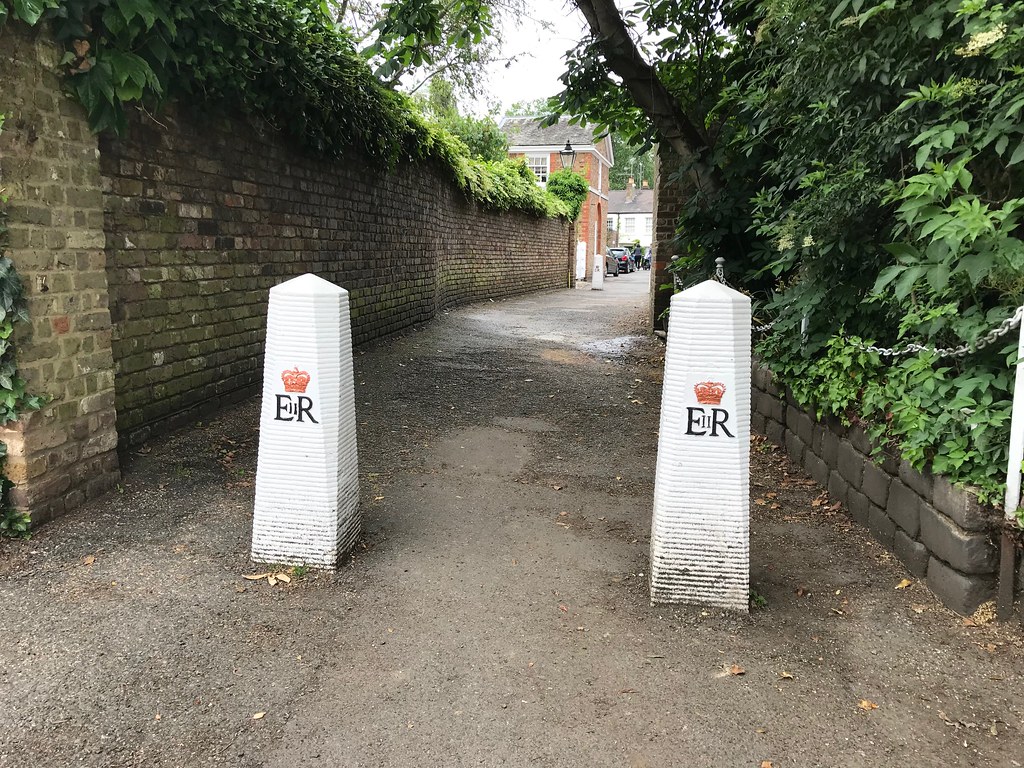
- Rigid bollards: steel or concrete cores, high containment, long service life
- Flexible bollards: polymer or steel with breakaway features, easier renovation and lower repair costs
For bollards for car parks, the balance is between certainty and give—enough rigidity to deter reckless driving, enough flexibility to avoid costly repairs.
Fixed versus removable bollards for dynamic spaces
Entrances and pedestrian crossroads in South Africa’s bustling car parks demand attention; “Safety is a balance, not a barrier,” and the right bollards for car parks deliver presence without drama. They guide drivers with visibility while preserving flow—an elegant compromise that keeps collisions priced out of the budget.
Fixed bollards offer unwavering containment—steel or concrete cores standing guard at entrances or loading bays. Removable bollards, often polymer or steel, unlock dynamic spaces when renovations or events demand reconfiguration. For bollards for car parks, a city designed on the go, hybrids and retractables shine, firm when needed and vanish when space matters more than permanence.
In practice, the choice hinges on space, maintenance budget, and how you balance deterrence with gentler vehicle flow.
- Fixed bollards: high containment at critical points.
- Removable bollards: flexible reconfiguration during renovations.
- Hybrid/retractable options: best of both worlds when space shifts.
Security-focused bollards for high-risk areas
Across South Africa’s bustling car parks, a visible line of defense can curb risk before it starts. Security audits show that visible containment reduces near-misses by up to 35%—a persuasive argument for choosing the right bollards for car parks!
Security-focused bollards for high-risk areas come in several forms. Here are practical options:
- Anti-ram steel bollards with high-strength cores to deter pushing and penetration.
- Concrete-core security barriers embedded in asphalt to guard entrances and loading zones.
- Retractable or hinged bollards that switch from open to secured without sacrificing workflow.
Each option balances deterrence with accessible flow, keeping busy precincts secure without turning spaces into fortresses.
Traffic-calming and pedestrian-friendly bollards
Traffic in South Africa’s car parks hinges on form and function. Visible guardians can cut near-misses by as much as 35%, a powerful cue to select bollards for car parks that balance safety with flow.
Types designed for traffic-calming and pedestrian-friendly zones range from flexible, impact-absorbing posts to slimline barriers that respect sightlines.
- Flexible polymer bollards that yield on impact, keeping pedestrians safe without halting traffic.
- Slimline steel bollards with reflective bands improve visibility at corners and bottlenecks.
- Pavement-embedded concrete or steel bollards anchor entry points with quiet authority.
Another option is retractable or hinged bollards that switch from open to secured in moments, preserving workflow while restricting access.
Ultimately, the right mix of bollards balances traffic and pedestrian protection, turning every space into a safer, more navigable precinct.
Retractable and collapsible options for temporary setups
In a bustling South Africa car park, timing is everything. Studies show that retractable and collapsible bollards can cut setup times by up to 60% during peak hours, while keeping pedestrians safer. For bollards for car parks, temporary, adaptive layouts prove their worth when events, shifts, or renovations demand agility and minimal disruption.
Two common flavours rise to the occasion: manual retractables and automatic, remote-controlled collapsibles. They fit seamlessly into existing layouts and can be deployed with a nod to the moment.
- Manual retractable bollards: easy to deploy, no power needed, ideal for temporary access control.
- Automatic collapsible bollards: powered, queue-ready, they rise or disappear at the press of a button.
Used judiciously, these options maintain flow without sacrificing security, making car parks feel safer and more resilient. In the end, bollards for car parks that can flex with the day’s demands become quiet guardians of movement.
Materials and Durability for Parking Bollards
Common materials: steel, stainless steel, and concrete
In South Africa’s busiest car parks, a single line of bollards for car parks can cut errant vehicle intrusions by up to 45%, turning chaos into choreography and keeping pedestrians safe!
Common materials—steel, stainless steel, and concrete—each sing a different durability note. Steel offers rugged strength and affordability but benefits from coatings; stainless steel resists coastal corrosion; concrete provides mass and resilience when reinforced and sealed, aging gracefully under sun and wind.
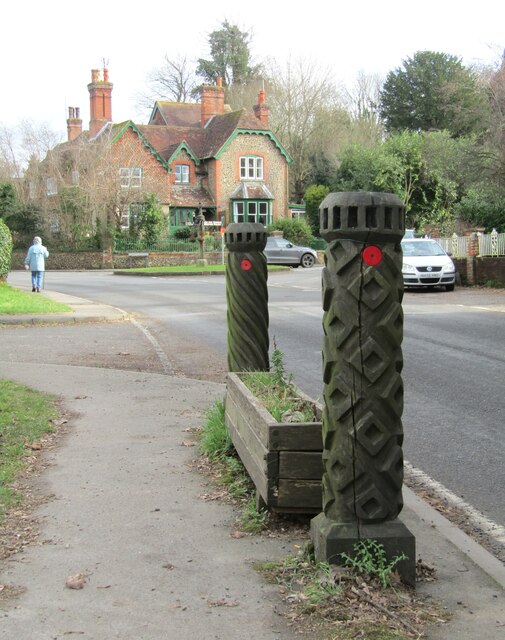
- Steel — rugged and cost-effective; best with galvanised or powder-coated finishes to resist rust.
- Stainless steel — superb corrosion resistance, ideal for coastal sites.
- Concrete — heavy and durable, effective with proper reinforcement and sealing.
In South Africa’s varied climate, finishes that resist heat, salt, and UV extend life with minimal downtime, letting the barriers stand as steadfast guardians in busy car parks.
Impact resistance, testing, and standards
Streets of progress hinge on quiet victories; a bustling SA car park that invests in robust bollards for car parks rarely calls a plan a failure. Up to 45% fewer intrusions prove that durability can be both practical and discreet.
Materials—steel, stainless steel, and concrete—each sing a different durability note. Impact resistance and testing under recognised standards guard against surprise failures. Consider this quick checklist:
- Impact resistance tested to international benchmarks (e.g., ASTM F2656 / PAS 68)
- Corrosion, UV and abrasion resistance for SA heat and coastal spray
- Thermal cycling and load endurance for enduring performance
Across SA’s climate spectrum, finishes that shrug off heat, salt and UV keep downtime low, ensuring those guardians keep watch over busy car parks. That’s why choosing the right bollards for car parks matters.
Coatings, corrosion protection, and maintenance
Coatings and finishes are the quiet shield for parking guardians. In SA’s sun and coastal spray, corrosion-resistant envelopes lengthen service life beyond the daily shuffle of traffic. For bollards for car parks, powder coatings and epoxy-polyurethane systems defend colour, integrity, and form against heat, salt, and UV.
Corrosion protection hinges on smart layering. Select protective skins over galvanised steel or stainless cores to keep protective barriers intact for years. Consider these options for long-term durability:
- Galvanising or zinc-rich primers
- Powder coatings in durable blends
- Epoxy or polyurethane topcoats for abrasion resistance
Maintenance becomes part of the design narrative. Regular inspections reveal aging coatings and micro-abrasions; the rhythm of upkeep follows environment and exposure rather than a fixed timetable.
Finish choices that shrug off heat, salt and UV keep downtime low, ensuring bollards for car parks stand watch over busy spaces for years to come.
Sustainability and lifecycle considerations
Material choices shape not just strength but the arc of a bollard’s lifecycle. In SA conditions, options like hot-dip galvanised steel with zinc-rich primers, stainless-steel cores, or durable concrete shells become the skeleton of resilience. For bollards for car parks, smart layering—protective skins over robust cores—delivers performance across decades. Powder coatings in storm-soft hues, or epoxy-polyurethane topcoats, resist heat, salt, and UV while staying bright and intact.
Durability isn’t a stubborn omen; it’s design. Regular inspections reveal micro-faults. While materials chosen for recyclability cut waste. In busy urban lots, structural stiffness, abrasion resistance, and low maintenance cycles translate to lower downtime. For parking facilities across South Africa, sustainable life-cycle thinking means selecting cores that can be repurposed at end-of-life and coats that can be touched up rather than replaced wholesale. The result: a quiet, steadfast guardian—bollards for car parks—standing watch for years.
Installation, Standards, and Compliance
Site assessment and layout planning
Installation for bollards for car parks starts with a clear appraisal of site dynamics—vehicle paths, pedestrian zones, and emergency access. The aim is firm anchors without bottlenecks or blind spots. A well-planned setup signals safety and practicality.
Standards and compliance balance international guidance with local codes. Expect impact testing and durability benchmarks, plus municipal approvals for busy facilities. In SA projects, compatibility with existing parking layouts matters, and these standards shape how bollards for car parks are specified, installed, and maintained.
- Regulatory approvals for bollards for car parks
- Impact and durability ratings
- Maintenance access and lifecycle planning
Site assessment and layout planning tie it all together. A focused review maps sightlines, turning radii, and pedestrian corridors, translating findings into a coherent plan that preserves flow while enhancing safety. In SA contexts, planners balance urban form with resilience, using bollards to regulate space without blocking access.
Regulatory standards and guidance to follow
In South Africa’s busy car parks, safety speaks softly but decisively—the quiet guardians stand ready to steer risk into order! Installation begins with a clear appraisal of site dynamics, guided by standards and compliance that shape every anchor and sleeve. Impact testing and durability benchmarks set the bar, while municipal approvals seal a facility’s legitimate rhythm. In SA contexts, compatibility with existing layouts matters, guiding how bollards for car parks are specified, installed, and maintained.
Key regulatory touchpoints you’ll encounter include:
- Impact testing and performance benchmarks
- Durability ratings and coatings compliance
- Municipal approvals and guidance for public facilities
- Lifecycle planning and maintenance access
In the SA legal landscape, standards bend with urban form—yet the spine remains: safety, reliability, and stewardship of space. Regulation-guided choices balance resilience with aesthetics, ensuring the guardrails of commerce do not impede access or flow.
Installation best practices and safety considerations
In South Africa’s busiest car parks, one well-placed bollard can turn a near-miss into a marked improvement in safety. “Safety is a quiet partner that earns trust with every inch of space,” a site supervisor likes to remind us.
Installation choices must harmonize with local standards and site rhythm. For bollards for car parks, the balance of structure, anchorage, and protective sleeves is chosen to endure local conditions while preserving routes and sightlines. Regulatory guidance and municipal expectations shape how foundations, coatings, and visibility features come together, ensuring the facility remains compliant and user-friendly.
Maintenance schedules and lifecycle costs
In South Africa’s busiest car parks, a single bollard can turn a near-miss into a safety milestone. Installation must harmonize with local standards and the cadence of the site. Bollards for car parks balance structure, anchorage, and protective sleeves to endure local conditions while preserving routes and sightlines.
Standards govern foundations, coatings, and visibility features; regulatory guidance and municipal expectations shape how these elements come together, keeping facilities compliant and user-friendly.
Compliance maintenance schedules and lifecycle costs form the quiet ledger of safety. The ongoing balance of durability and budget, through inspections, coatings, and protection of metalwork, ensures the facility remains reliable under South Africa’s varied weather.
- Structural integrity and anchorage
- Coatings, corrosion protection, and weather resilience
- Visibility, markings, and signage compliance
Choosing the Right Bollards for Your Car Park Project
Assessing site requirements and traffic patterns
Motion meets meaning in every car park; in South Africa, careful bollard selection has cut incident rates by up to 25% in busy lots. The right bollards for car parks transform chaos into orderly choreography, guiding drivers and pedestrians with quiet confidence while preserving access for service and emergency vehicles.
To tailor your choice, observe site requirements and traffic patterns. Consider how traffic flows through entrances and aisles, where pedestrians gather, and what height or visibility a bollard must provide.
- Traffic flow, turning radii, and sightlines
- Pedestrian zones and queue points
- Emergency access needs and mounting heights
These factors help determine durability, coatings, and installation details that enhance your design without shouting for attention.
Budgeting, procurement, and supplier selection
Budgeting for bollards for car parks demands more than a price tag; it requires a narrative where durability, maintenance, and speed of delivery intersect. Industry data reveals that projects with anchored procurement strategies cut waste by up to 18%, turning uncertainty into a quiet confidence across busy lots.
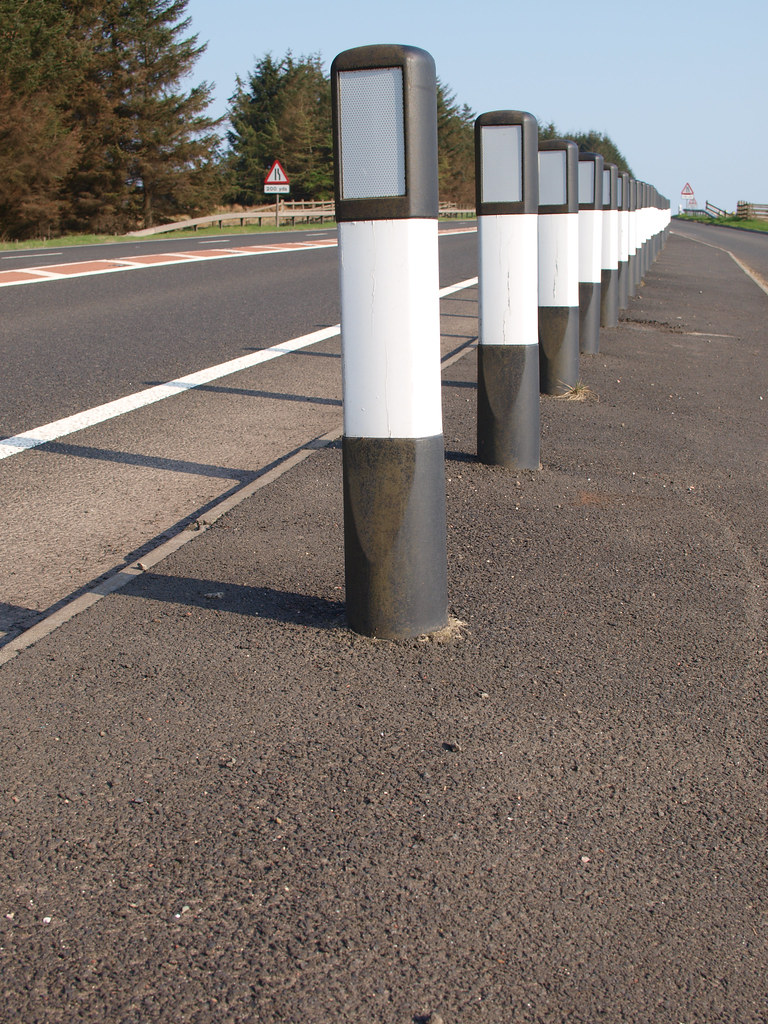
Choosing suppliers hinges on more than quotes. For bollards for car parks, look for clarity in cost breakouts, realistic lead times, and robust warranties that survive South Africa’s climate.
- Transparent quotations and clear scope
- Delivery timelines and supplier risk
- After-sales support and warranty terms
These factors shape long-term value and lifecycle costs, keeping the project on a steady course even when demand spikes. Supplier selection should favour local manufacturers with proven installation teams and compliance with regional standards; the right partners turn budget conversations into quiet assurance.
Case studies and ROI considerations
Choosing the right bollards for car parks is about more than a price tag; it shapes risk, maintenance, and long-term ROI. In South Africa’s busy lots, a well-matched solution can cut damage by up to 30% and preserve budget flexibility as demand shifts.
- Retail complex: reinforced perimeters curb vehicle damage and insurance claims, delivering measurable ROI over five years.
- Municipal park-and-ride: durable units reduce downtime and adapt to changing traffic patterns.
- Business campus: local installation teams shorten downtime and boost climate-tailored warranties.
ROI hinges on durability, warranty terms, and local support, turning capital spend into lifecycle value.



0 Comments