
Bollard Cap Overview and Use Cases
What is a bollard cap and its role
In South Africa’s bustling streets, a tiny guardian stands at the front line of safety: bollards caps. One facilities manager puts it simply: “The cap is the quiet guardian at the edge of the pavement.” It’s a hook that protects, guides, and endures, even when South African weather throws everything at it!
What is a bollard cap, and what does it do? It sits atop a durable bollard, shielding the metal from moisture, UV, and dings—extending life and keeping the top visible to drivers and pedestrians. Key advantages include:
- Weatherproofing and corrosion resistance
- Improved visibility with color and reflectivity
- Tamper resistance and easy maintenance
Use cases span parking facilities, shopping precincts, campuses, and municipal entrances. In busy zones, bollards caps add a finishing touch that communicates authority and safety—without heavy construction. They harmonize function and branding, turning utilitarian posts into deliberate, controlled edges of space.
Common applications and use cases
These caps sit at the edge of a pavement like quiet sentries, and in South Africa they often outlive the momentary weather. On bustling SA streets, a tiny cap survives more than four seasons of sun and rain. Bollards caps guard the exposed tops, steering away moisture and UV damage while keeping the shape sharp against the hustle of daily life. The result is a durable, visible finish that makes spaces feel orderly and safe beneath our changing skies!
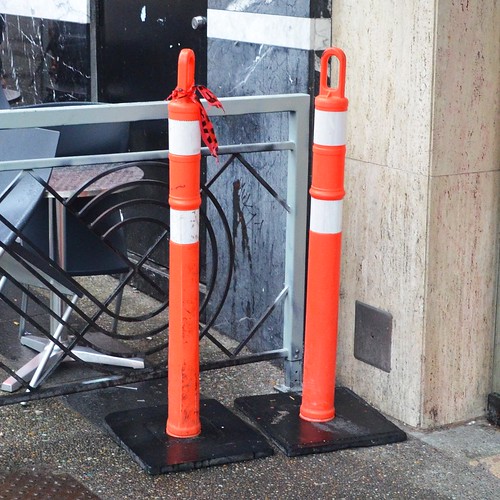
Common applications span the everyday: car parks, shopping precincts, campuses, and municipal entrances. Bollards caps do more than shield; they declare boundaries with color and reflectivity, guiding people with calm authority.
- Parking facilities
- Shopping precincts
- Universities and campuses
- Municipal entrances
Material choices for bollards caps and simple maintenance keep the look consistent across years and climates in South Africa.
Key features to look for
bollards caps crown urban sentinels with a mythic hush, and in South Africa they endure four seasons of sun and storm with stubborn grace. These modest toppers shield edges, fend off moisture, and keep lines sharp for pedestrians and vehicles alike. In the city’s theatre, they whisper color and gloss, turning plain posts into markers that feel safe and orderly beneath a changing sky!
From bustling spaces to quiet gateways, these caps maintain a calm authority. They mark thresholds, guide foot traffic, and add a touch of elegance to hardworking spaces without shouting.
Key features to look for include:
- Durable materials engineered for SA climate
- UV-stable finishes with color retention
- Low-maintenance coatings and long service life
Safety and regulatory considerations
Small details, bold statements—bollards caps quietly set the tempo of South African streets. They cap more than posts; they crown edges with calm, guiding pedestrians and vehicles without shouting. A cap’s texture, hue, and resilience become a city’s understated punctuation, shaping perceived safety as the sky shifts from sunrise to neon.
Safety and regulatory considerations anchor every choice. In SA, products should bear SABS certification and align with local by-laws, road codes, and municipal planning expectations. Emphasis on UV-stable finishes, slip resistance, and flush, snag-free installation helps preserve visibility and reduces maintenance cycles.
- Material and finish compliance with SABS standards
- UV stability for colour retention and visibility
- Slip resistance and flush fit to minimise trip hazards
From heritage sidewalks to modern transit hubs, bollards caps stand as quiet sentinels, shaping pace beneath a changing sky.
Types and Designs of Protective Caps
Materials and design variants
“The cap is the quiet shield at the street’s edge,” notes a South African road-safety engineer. In city scapes across Cape Town and Johannesburg, bollards caps endure sun, rain, and diesel fumes—yet stay cleanly composed when chosen with care.
Bollards caps come in a spectrum of materials suited to this climate and use.
- Stainless steel
- Galvanized steel
- Anodized aluminum
- Fiberglass-reinforced polymer
- UV-stabilized HDPE
Finishes—powder coat, epoxy, or UV-resistant paints—offer color, gloss, and extra weather resistance. Design variants span slimline elegance to rugged vandal-resistance, with options for illumination and reflective bands.
Coastal towns and inland malls alike benefit from finishes that resist salt spray and sun glare, ensuring the protective caps stay legible and intact.
Shape and compatibility with bollard profiles
Across South Africa’s sunlit streets, a tiny cap does quiet, stubborn work at the curb. Types and designs of protective caps embrace shapes tuned to every bollard profile: mushroom and domed tops, flat caps, recessed styles, and flanged variants that hide seams and wear.
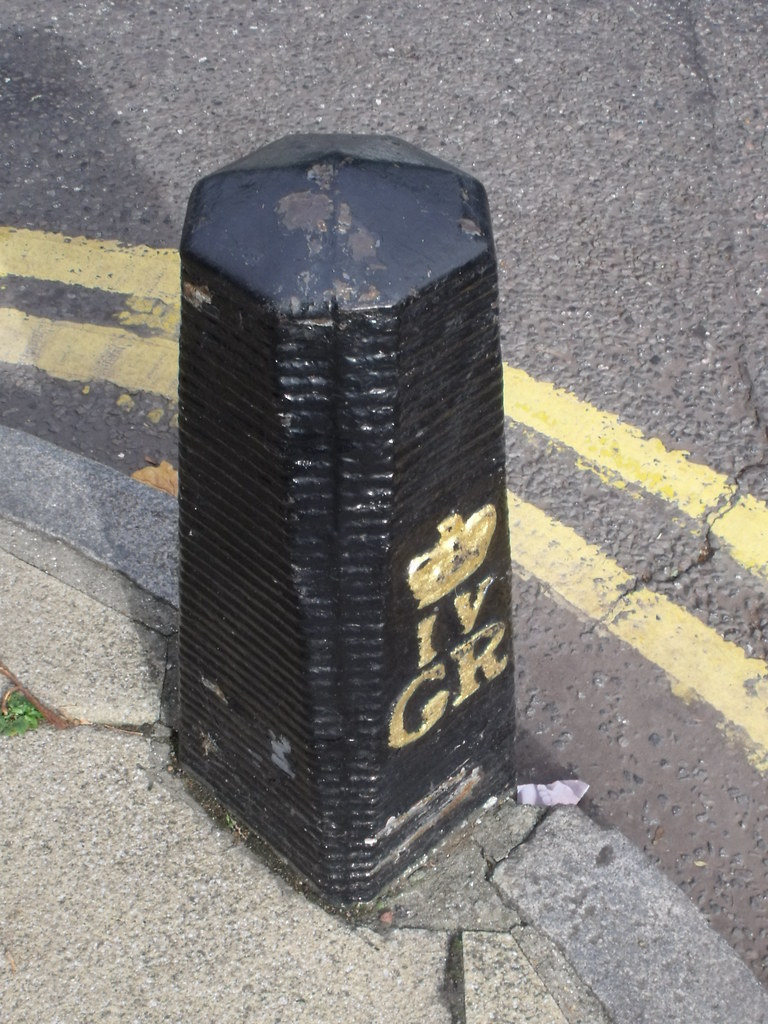
- Mushroom or domed tops
- Flat, low-profile caps
- Recessed or integrated caps
- Flanged or stepped caps
Shape compatibility with bollard profiles means matching height, diameter, and mounting method—from slimline urban posts to heavy-duty cylinders. When the fit is right, bollards caps deliver consistent weather resistance and legibility across Cape Town humidity, Johannesburg heat, and coast spray!
Reflective and visibility options
Small caps, big impact—on a Cape Town curb, a single reflective edge can change a moment. Recent urban safety stats suggest properly marked bollards improve night visibility by up to 35%.
Types and designs of protective caps go beyond shade and seal. Options include reflective tapes, photoluminescent inserts, and color-coded finishes that help distinguish zones—pedestrian-heavy streets, commercial arteries, or service corridors. These bollards caps can be tailored for street-level visibility.
Reflective and visibility options at a glance:
- Reflective micro-prismatic coatings for daytime and night
- Photoluminescent inserts that glow after dark
- Neon or high-visibility color finishes for quick recognition
Durability and mounting meet SA climates: anti-corrosion coatings, tamper-resistant housings, and weather-sealed fits ensure long life against sun, humidity, and coast spray.
Aesthetic styles to fit architecture
Streetlight shadows flicker and footsteps echo; bollards caps now speak architecture, not merely function, shaping rhythms of Cape Town sidewalks and Johannesburg avenues with tailored profiles and finishes. They turn a utilitarian post into quiet sculpture, guiding foot traffic with style as well as safety.
Explore aesthetic directions that respect form and context:
- Heritage Revival: echoes of local façades in tailored profiles
- Urban Minimalism: clean silhouettes and restrained finishes
- Industrial Sophistication: rugged textures and exposed hardware
- Coastal-Ready Extras: color, coatings and subtle glow for night-time coastal streets
The choice blends permanence with personality, ensuring these caps become trusted features rather than mere hardware.
Quick-release and theft-deterrent designs
Protective caps are quiet negotiators of city life—discreet yet decisive. In South Africa’s streets—from Cape Town’s V&A Waterfront to Johannesburg’s avenues—the bollards caps blend safety with daily rhythms. They speak architecture when sheltered, shaping foot traffic with understated authority.
Quick-release designs turn maintenance into a drama-free routine. A simple twist or tool-free pop lets technicians service the underlying bollard without dismantling the post, keeping sidewalks clear and shadows calm during peak hours. These bollards caps stand up to daily wear while staying low-profile.
Among protective-cap designs, three practical paths stand out:
- Quick-release systems for fast service
- Locking cores and anti-tamper fasteners
- Tamper-resistant seating and concealed fixings
Theft-deterrent designs deploy robust metals, concealed screws, and keyed access, all harmonizing with security needs while respecting streetscape. When chosen with care, these caps become guardians of visibility and flow, not just hardware, in South Africa’s fabric.
Materials and Durability for Outdoor Use
Metal choices and corrosion resistance
Durability begins at the metal you select. For outdoor use across South Africa’s sun-bleached landscapes, material choice is destiny. Stainless steel, galvanized steel, and aluminum offer robust corrosion resistance and predictable performance. In particular, bollards caps forged from marine-grade stainless steels resist saline spray and humidity, while galvanized options stand up to wet seasons. The right finish—powder coating, ceramic overlays, or electroplating—adds armor against the elements.
- Stainless steel (AISI 304/316) for maximum corrosion resistance
- Galvanized steel with protective coating
- Aluminum with durable anodizing
- Bronze or brass accents for a distinctive patina
Durability is a craft informed by wind, sun, and salt. The language of metal reveals itself in profile and finish, a silent chorus that ages gracefully. With thoughtful metal choices and corrosion resistance, bollards caps stand firm, a quiet testament to enduring design!
Finishes and coatings for durability
Impact resistance and load ratings
In SA streets, the sun is a relentless curator; the right bollards caps endure it—and look good doing it. Outdoor durability starts at the core: the materials behind these caps must politely shrug off the elements while keeping their shape when the occasional vehicle misjudges clearance. In this realm, impact resistance and load ratings are not mere numbers but a narrative about resilience against scuffs and wheel bumps. Thoughtful design ensures coastal salt and summer glare don’t coerce them into a sagging silhouette, keeping them durable, legible, and camera-ready through years of wind and sun.
- Environmental exposure and UV stability
- Higher impact resistance and predictable load behavior
- Corrosion and abrasion resistance for long outdoor life
- Thermal cycling and joint integrity under temperature swings
When these factors align, the cap not only looks sharp but performs reliably, even where Cape Town glare meets a busy street or a Gauteng driveway. It’s the quiet backbone of curbside statements—subtle, sturdy, and a touch defiant against graffiti and grit.
Maintenance and replacement cycles
South Africa’s sun is a relentless curator, and our bollards caps must endure its verdict without losing their edge. I’ve seen how a well-made cap keeps its character in Cape Town glare and Gauteng driveways alike, a small but dignified statement of resilience.
Materials chosen for outdoor life shrug off salt, heat, and rain—UV-stable plastics, resistant coatings, and smart geometry that preserves shape. When the horizon glints off a curb, the cap remains legible and elegant, a quiet testament to coastal climate and city grit.
- UV stability and colorfastness
- Thermal cycling tolerance
- Joint integrity and seal longevity
Maintenance and replacement cycles hinge on exposure and use. In exposed coastal zones or busy streets, finishes fade and joints loosen; inland, wear is slower but inevitable. I watch for chalking and micro-cracks, and I plan replacements when the cap loses its luster or fit.
Installation, Maintenance, and Safety Considerations
Proper alignment and fit over bollards
Fit isn’t flashy—it’s safety in plain sight. Across South Africa’s busy streets, proper alignment and a flush fit for bollards caps prevent snag hazards and keep the streetscape tidy. A well-seated cap reduces water ingress and UV exposure, extending the bollard’s life and keeping visibility high at night!
Maintenance should be simple and regular. Focus on the cap’s seal, finish integrity, and ease of future replacement. Consider these maintenance considerations:
- Flush alignment with surrounding surfaces
- Consistent finish to minimize glare and wear
- Signs of UV degradation or corrosion
Safety considerations must balance aesthetics with compliance. Ensure the cap selection supports reflective options and follows local codes for visibility and impact resistance in South Africa. Proper alignment and fit reduce failure modes that cause trips or misreads by drivers.
Installation methods and fasteners
Installation of bollards caps should deliver a secure, flush fit. Options include snap-fit over the top, screw-down stainless steel fasteners, or bonded methods for a permanent seal. Match the method to your bollard profile and site, so the caps stay neat and water-tight.
- Snap-fit or clip-on for quick maintenance
- Screw-down with tamper-resistant fasteners for security
- Bonded epoxy methods for permanent installations
Maintenance is simple: inspect the seal, check finish integrity, and verify easy replacement. Keep the surface clean to avoid glare and ensure flush alignment.
Safety and compliance require reflective options and adherence to South Africa’s visibility codes where needed. Proper alignment reduces trips and misreads by drivers, while a tidy, well-fitted cap supports a safer streetscape.
Safety standards and compliance
Installers selecting bollards caps should target a secure, flush finish that withstands SA weather. Pick a method that suits your bollard profile: clip-on for quick maintenance, screw-down with tamper-resistant fasteners for security, or bonded epoxy for a permanent seal. Match the cap to the bollard geometry so the profile stays neat and water-tight on streetscapes from curbside to plaza.
Maintenance stays simple: after rain or heavy use, check the seal and the finish, and ensure replacement parts remain accessible.
- Seal condition and water ingress
- Finish wear and coating integrity
- Replacement access and fastener security
Safety and compliance in South Africa matter. Where required, use reflective options to boost visibility and align with local codes. Proper alignment reduces trips and misreads by drivers; a tidy, well-fitted cap supports a safer streetscape.
Maintenance and inspection schedule
Across South Africa’s streets, bollards caps set the first impression of durability—and a tiny misfit can erode safety in seconds. A flush, weather-ready fit matters more than color: a misaligned cap invites water intrusion and grime. Match the cap to the bollard geometry to preserve a neat, secure profile against SA weather.
Maintenance follows a balanced cadence—not a checklist, but a rhythm. Schedule periodic reviews after heavy rain and during seasonal changes, ensuring the seal remains sound and the finish intact. Keep replacement parts accessible to minimize downtime and maintain continuity of the streetscape.
Safety hinges on visibility and alignment. A tidy, well-fitted bollards caps reduce trips and driver misreads, while complying with local codes. Where required, incorporate reflective accents to boost night-time visibility and reinforce a safer urban experience.
Shopping Guides and SEO Factors for Manufacturers
Buying criteria and evaluation checklist
“Quality is the best business plan,” a veteran supplier once said, and it sticks. When manufacturers buy bollards caps, they chase uptime, fit, and a supplier that ships as promised. Shopping guides here balance performance with practicalities—lead times, stock reliability, and the ability to scale across projects. SEO factors matter, too; product pages that spell out materials, standards, and warranties help South African buyers compare options quickly and confidently.
To navigate the market, consider a concise evaluation framework that aligns procurement goals with online visibility.
- Lead times, stock levels, and minimum order quantities
- Certifications, compliance data, and test results for impact and weather resistance
- Material compatibility with your bollards and environment (coating, corrosion resistance)
- Warranty, after-sales support, and replacement cycles
- Customization options, branding, and availability of samples for evaluation
These criteria stay readable on paper and practical in practice, helping teams evaluate bollards caps without chasing shadows or price alone.
Product pages and category optimization
A recent SA procurement survey puts the figure at 68%—buyers start on supplier websites before picking up the phone. Your bollards caps pages must be fast and friendly: crisp specs, transparent warranties, and easy comparisons that make buying decisions feel almost effortless.
Shopping guides and SEO factors belong together like bolts and cap nuts. On category pages, spell out materials, standards, and performance without jargon, and keep lead times and stock status visible. That clarity helps South African buyers compare options quickly and confidently.
To keep pages shipshape, consider a compact checklist:
- Clear, keyword-friendly titles and meta
- Complete spec sheets for bollards caps
- High-quality images and practical installation clips
- Visible lead times and stock levels
Content ideas: guides, case studies, and tutorials
Sixty-eight percent of buyers begin their journey on supplier websites before reaching for the phone. In this climate, shopping guides and SEO factor like twin lighthouses—clearing fog, shortening paths, and boosting trust. For bollards caps, crisp overviews and transparent narratives turn curiosity into confidence across the South African market.
Content ideas harness this synergy:
- Guides mapping procurement journeys for South African buyers
- Case studies showing ROI of bollards caps in urban deployments
- Tutorials on selecting profiles, finishes, and environment considerations
SEO factors thread pages into trusted topic clusters, with schema, easy navigability, and transparent signals that reassure SA buyers. Bollards caps become first choice when detail and simplicity share the stage.
Visuals, specs, and FAQs for conversions
Across SA’s cityscapes, sixty-eight percent of buyers begin their journey on supplier websites before reaching for the phone. That dynamic makes robust shopping guides and clear SEO loops the compass for bollards caps producers and distributors. Crisp visuals and transparent narratives convert curiosity into confidence, turning product pages into trusted hubs for decision-making. In this market, visuals that show context, finish options, and installation realities are not vanity — they shorten the path to conversion!
Leverage three core elements to guide prospects: visuals that reveal texture, scale, and compatibility; specs that spell out dimensions, load ratings, material grades; and FAQs that answer sizing, maintenance, and installation questions.
- Visuals: high-res images showing profiles, finishes, and scale
- Specs: concise dimensions, materials, and ratings
- FAQs: quick answers on fit, maintenance, and replacements
These signals align with SA buyers seeking transparency and quick decisions.

0 Comments