
Scenic Vantage Points
Panoramic Overlooks and Headland Views
The climb up the Sentinel path rewards you with one of the most unobstructed views on the Cape Peninsula. It is the reason bollards bay beach photos taken from above capture the bay’s full scale. The headland frames Hout Bay in full, from the harbour to the open Atlantic, and the beach below reads as a pale arc against deep blue water.
For the best light, arrive in the late afternoon. The western angle catches the sun, and the cliffs take on a copper tone. I have watched photographers set up tripods along the edge, waiting for that precise moment.
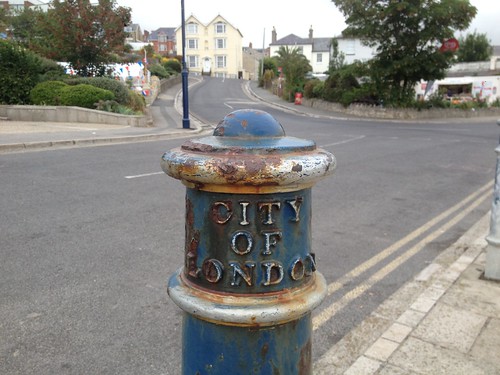
A few vantage points worth the walk:
– The Sentinel summit, for the classic sweep of the bay
– Chapman’s Peak drive, for layered headland views
– The Karbonkelberg ridge, for a quieter perspective
Each one changes the story your bollards bay beach photos can tell.
Shoreline Compositions from the Sand
Drop to the shoreline and the frame flips. The Sentinel still looms overhead, but it becomes a backdrop rather than the subject. Bollards bay beach photos taken from the sand trade grand scale for texture. Wet sand mirrors the sky. Kelp strands curve across the beach. The wrack line records the last tide’s reach.
Compose low and let the foreground guide the eye. Look for:
- fresh kelp with its glossy surface
- rock pool reflections holding the sky
- the scalloped edge of the retreating swash
Each element anchors the image in a single moment. The surf becomes a moving counterweight to the fixed sand. For bollards bay beach photos, these shoreline compositions reward patience more than elevation.
Tide timing shapes the possibilities. At low water, the beach widens and exposes rock pools. At high water, the compressed sand alters every angle. I have found that waterproof boots help. So does patience.
Rocky Outcrops and Tide Pool Foregrounds
Scenic vantage points do not always require elevation. The rocky outcrops at the southern end of the beach offer a different perspective. Here, bollards bay beach photos gain depth when you place a boulder in the near frame and let the tide pool hold the sky. The trick is to find a pool that is still and deep enough to mirror the clouds. Then, wait for the wave to recede. The water smooths out. The reflection sharpens.
- A foreground boulder with visible barnacle lines
- A tide pool that reflects the headland
- A narrow channel where water drains back
These features give the eye a path from the bottom of the frame to the surf. The outcrops also provide a natural shield from the wind. That allows for slower shutter speeds without camera shake. For bollards bay beach photos, this position works best two hours before low tide, when the pools are clear and the rocks are dry enough to stand on safely.
Walking Trail Perspectives and Dune Ridges
The walking trail that winds behind the beach offers another approach for bollards bay beach photos. From the dune ridges, the beach unfolds in a sequence of curves, each one revealing a new angle on the surf. The elevation is modest, but it changes the composition entirely. The eye can trace the shoreline’s arc and the staggered lines of breaking waves.
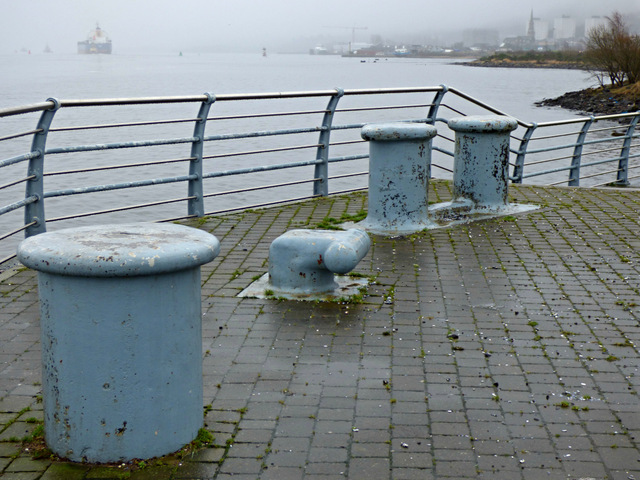
I have walked this trail at different times of day. The morning light flattens the sand into a pale sheet. By afternoon, the shadows of the dunes stretch across the beach. These vantage points reward patience.
What works well from the dune ridges:
- The full arc of the bay from a raised position
- Wind-patterned sand that only appears from above
- Native dune grass bending toward the sea
From the trail, the plants frame the water below. Bollards bay beach photos taken from this height carry a sense of scale that ground-level images cannot match.
Framing with Coastal Vegetation and Driftwood
A single piece of driftwood can alter the entire composition of bollards bay beach photos. It gives the eye a place to rest before reaching the water. Coastal vegetation frames the scene in the same way, using natural lines that need no editing.
The dune scrub behind the backshore grows low and dense. Kneeling behind a clump of arum lilies or resting the camera on a bleached log adds depth. The frame gains layers, from the textured foreground to the bright water beyond.
What works best:
- Driftwood lines that angle toward the surf
- Kelp strands drying in the sun, adding texture
- Fynbos shrubs framing the edges of the shot
A single branch can break the horizon. A tuft of grass softens the boundary between sand and sea. These small elements give bollards bay beach photos their local character.
Optimal Timing and Lighting
Golden Hour Glow and Long Shadows
The golden hour transforms the shoreline into a study of contrast. I have found that arriving thirty minutes before sunset yields the warmest glow, when the sand reflects amber and the rocks stretch long shadows across the tide pools. For bollards bay beach photos, this window is brief, so preparation matters.
Light shifts quickly. One minute the cliffs are bathed in golden light, the next they fall into violet shadow. That is the essence of this coast.
- The sun’s angle changes with season, so use a solar calculator.
- Low tide exposes more foreground textures for shadow play.
- Overcast days soften the glow but still produce subtle hues.
Position yourself with the sun behind or to the side. This adds depth to each frame, and for bollards bay beach photos, the low angle creates dramatic lines across the sand.
Blue Hour and Twilight Silhouettes
The blue hour arrives without fanfare. After the last sunset color fades, the sky holds indigo while the sea turns slate. For bollards bay beach photos, this low light strips away detail. Headlands become dark slabs, and the horizon sharpens into a clean edge. I find twilight exaggerated by the quiet. A passing boat’s light offers tiny contrast. I underexpose slightly to preserve silhouettes. Clouds catch leftover glow, but clear skies produce colder purples.
The shore feels emptier. That solitude translates into the image. Some evenings, a trawler cuts across the bay. Its dark mass against the pale west becomes the only subject. The blue hour rewards those who stay a few minutes longer. Softness hides clutter and makes the ocean appear slower. I walk closer to the waterline, where wet sand mirrors the sky. That reflection is brief, so I compose quickly.
Midday Overcast for Soft, Even Light
Most photographers leave the beach before noon. On overcast days, that is a mistake! A thick cloud deck turns midday into a giant diffuser. Harsh shadows disappear, and the wet sand near the waterline reveals striations that direct sunlight whitewashes.
For bollards bay beach photos, this soft, even light brings out muted colour across the bay. The granite turns slate. The kelp beds go dark green. I can aim directly into the sky without punishing lens flare.
- Cloud cover between 30 and 80 percent balances detail with atmosphere.
- An offshore wind keeps the horizon clean for wider frames.
- A polarising filter still cuts surface glare, even under grey light.
The even light also makes the whole bay frameable in a single shot. The horizon holds a clean grey line. Distant headlands keep their shape instead of burning out. It is the most consistent light the bay offers.
Weather Effects: Fog, Mist, and Passing Storms
Nobody waits for fog at Bollards Bay. I do, because the marine layer gives you exactly forty minutes before it lifts. In that window, bollards bay beach photos gain a flat, monochrome look that no filter can fake!
Mist behaves predictably. It arrives after drizzle and stays low, softening the foreground while the headland keeps its shape. Passing storms shift instantly. The sky goes slate, then a break in the clouds lights one section of the bay.
- Fog hides the horizon.
- Mist lowers contrast without losing texture.
- Storms create moving rain streaks for long exposures.
Each condition changes how the water reflects light. No two fog banks roll in the same way.
Photography Techniques
Long Exposure for Smooth Water and Cloud Motion
Capturing bollards bay beach photos with long exposure turns the ocean surface into a smooth plane while clouds streak across the frame. The technique demands a sturdy tripod and a neutral density filter to extend shutter speed beyond a few seconds. Without the filter, even the lowest ISO and smallest aperture cannot slow the light enough during daytime.
The ideal shutter speed depends on conditions:
- Waves: ten to thirty seconds for full blur
- Fast-moving clouds: five to ten seconds
- Slow drift: up to a full minute
Bracketing your exposures helps find the right balance. When the wind picks up, cloud shapes shift so quickly that a short delay changes the entire composition. The contrast between the still water and the moving sky gives these images their distinct atmosphere.
Using Leading Lines and Natural Frames
The rusted mooring bollards are the first leading lines most photographers notice at Bollards Bay. They march toward the water in a staggered row, shrinking with distance. Position yourself low and align the bollards toward the horizon. This pulls the viewer’s eye past the shore break.
Natural frames are harder to locate. I prefer a narrow cleft in the granite boulders at the southern end. Shoot through it so the bollards become the subject inside the frame. The dark rock edges block the bright sky, simplifying exposure.
Look for these elements when composing bollards bay beach photos:
- Wet sand ripples that angle toward the bollards
- Galvanised chain loops, in shadow, creating a dotted line
- Overhanging coastal scrub that frames the bay from above
Each frame changes how the row reads, from a solid barrier to a measured path.
Balancing Foreground, Midground, and Background
The interplay of foreground, midground, and background in bollards bay beach photos demands deliberate placement. A single kelp frond in the lower corner anchors the frame. The midground holds the bollards, their rusted surfaces catching the light. Behind them, the headland or the open ocean closes the composition.
I often place my tripod low so the wet sand texture becomes a foreground element. That texture leads toward the midground bollards. The background provides a quiet contrast, whether a soft sky or the dark mass of the headland. The result is depth that feels natural, not assembled.
Adjusting focus between layers changes the mood entirely:
- Focus on the foreground sand ripples for a tactile, close-up feel
- Focus on the bollards for a clear, structured subject
- Focus on the background headland for a softer, more atmospheric frame
Each choice reshapes how the eye travels through bollards bay beach photos.
Seasonal and Tidal Considerations
High Tide vs. low tide Opportunities
The tidal swing at Bollards Bay is around two metres, and that difference determines where you can stand and how the waves break. On a spring low, the sand extends much further, giving you a clean sweep for bollards bay beach photos without the water crowding your frame. High tide compresses the beach and pushes the surf hard against the boulders, which changes the energy of every shot.
I check the tide tables before packing my camera. The season shifts things too. Winter swells tend to be stronger and more erratic, while summer mornings often arrive calm and still. During my visits I have found these conditions worth planning for:
- Spring low tides expose sandbanks that disappear entirely during the rest of the month.
- Neap tides hold a steady water level, which helps with stitching together a broader view.
- A winter north-westerly wind brings a dramatic breaker that curls around the headland.
Each season and tide reshapes the shoreline, so bollards bay beach photos never feel the same twice.
Spring Wildflowers and Coastal Bloom Accents
In September, the dunes around Bollards Bay shift from green to a carpet of yellow and white. The spring bloom is brief, but it changes how you frame the shoreline. For bollards bay beach photos, those flowers add a foreground colour that salt and sand cannot.
Some species stand out:
- Beach morning glory sprawls across the dune face.
- Wild garlic clusters near the rocky edge.
- Skaapbos turns the upper bank silver-green.
For bollards bay beach photos, these accents work best with a low camera angle. The flowers collapse into a soft blur, leading the eye toward the bay. Because the bloom coincides with the first calm mornings of the year, you can often capture the coastline without wind shaking the stems. Just walk lightly. The sand is loose, and the plants are more fragile than they look.
Autumn Light and Warmer Color Palettes
Autumn drags the sun down early over Bollards Bay, and the light turns thick and amber. The heat fades, so the air holds still longer. That stillness gives you sharp reflections in the wet sand at low tide.
For bollards bay beach photos, the colour palette shifts toward burnt orange and bronze. The dry kelp on the beach glows, and the dune shadows stretch long across the upper bank. You can frame the bay with a single outcrop catching the last warm rays.
The tide charts matter more now. A falling tide in late afternoon exposes the rock shelf just as the colour peaks. Watch the waterline. It moves fast here.
Winter Surf Dynamics and Dramatic Skies
Winter at Bollards Bay belongs to the swell. The south-west groundswells arrive with long fetch behind them, and the surf stacks up in deep water before it unloads on the reef. For bollards bay beach photos, this is the season of motion and menace, a chance to capture white water thrown high against the grey.
The sky does its part. Cold fronts sweep through and leave torn cloud banks in their wake; the late afternoon sun slices between them and lights the spray in amber. A falling tide in the late afternoon exposes the lower rock shelf just as the light turns. Watch the wind. A stiff south-easter flattens the swell but streaks the wave faces with foam.
- Check the buoy data for groundswell direction
- Look for a front passing by sunset
The meeting of steel-blue water and shredded cloud gives bollards bay beach photos their winter character. The light is hard, fleeting, and gone before you expect it.
Bird Migration and Wildlife Appearances
As the winter swell drops, the beach empties of surfers and fills with other visitors. Migrant waders arrive from the northern hemisphere, and for bollards bay beach photos, the turning tide sets the timetable. I have watched the water pull back to reveal a strip of damp sand that was underwater an hour before.
The rock shelf exposed at low tide draws turnstones and sanderlings, working the pools for amphipods. A spring tide, the kind that falls fast and far, opens ground those birds cannot reach otherwise.
- Check the high tide mark for roosting gulls and terns
- Arrive before low water to catch birds feeding near the boulder fields
- Look for cormorants drying wings on the outer rocks, they hold still long enough for a sharp frame
The whales pass close by in season, but the daily rhythm belongs to the birds.
Gear and Preparation
Recommended Cameras and Lenses
Packing for bollards bay beach photos demands a kit that respects salt spray and shifting light. I favour a weather sealed body, ideally mirrorless, for its compact balance.
For the rocky headlands, a 16 to 35 mm zoom captures the sweep. Over the sand, a 24 to 70 mm gives flexibility. A 70 to 200 mm reaches distant surfers and birds without disturbance.
- A polarising filter cuts glare on wet rocks.
- A neutral density filter stretches wave motion.
- A sturdy tripod resists wind gusts.
Spare batteries drain quickly in cold air. Sea mist leaves a film on the front element, so frequent wiping is part of the routine.
Essential Filters: Polarizers and ND
I keep two filters in front of the lens for bollards bay beach photos: a circular polarizer and a solid neutral density. The polarizer handles glare. It removes the shine from wet rocks and damp sand, which is essential on a beach where the tide leaves a sheen on everything. It also deepens the sky without adding colour that looks false.
The neutral density filter is for movement. It cuts light evenly, so the camera can use a slow shutter in bright conditions. That turns the ocean into a smooth plane and lets cloud motion stretch across the frame. For the Cape coast, this is the difference between a quick shot and a long exposure that shows the sea’s rhythm.
- Polarizer: cut reflections and strengthen contrast
- ND filter: extend shutter speed for smooth water and moving clouds
Tripod Stability in Windy Conditions
Wind is the great equaliser at Bollards Bay. The same breeze that carries the salt spray can turn a sharp image into a soft blur. I have learned to hang my camera bag from the centre column hook, but only if the bag is weighted with sand or stones. A flimsy tripod will flex in a gust, so I use a carbon fibre model with thick leg locks. The ground near the dunes is often loose, so I press each foot into the sand and let the legs settle.
For bollards bay beach photos, I also keep the centre column low and never extend it fully. A slight crouch in the legs makes a huge difference. I check the tension knobs twice before every frame. Loose locks ruin more long exposures than the wind does.
– Spread the legs wider than normal
– Use a remote shutter release
– Turn off image stabilisation on a tripod
These habits turn a shaky setup into a stable platform, even when the south-easter howls. The reward is sharper bollards bay beach photos without the frustration of motion blur.
Protecting Equipment from Sand and Salt Spray
The sand at Bollards Bay gets into everything. I have learned to check every seal before stepping onto the sand. Every zipper gets closed, every port cover gets clicked shut. A slim neoprene rain sleeve fits over the camera during bollards bay beach photos, and the airflow prevents sensor fogging.
The tripod feet get rinsed in fresh water before they go back in the car. Salt crystals expand when they dry, and they will seize a tripod leg or a filter thread without warning. I keep a spare changing bag in the car for lens swaps, and the dry cloths are stored in a separate pouch. Spare batteries stay in a sealed pouch too. These precautions matter when you are chasing bollards bay beach photos at the end of a windy afternoon.
Scouting Locations and Geographic Landmarks
Bollards Bay rewards the photographer who scouts before the shutter opens. The landmarks, the concrete mooring bollards, the granite outcrop, and the dune crest, are constant, but the water between them rearranges itself every six hours. On my first visit, the rock shelf I planned for a foreground sat submerged at high tide.
The preparation for bollards bay beach photos begins with a geographic survey. I mark the high-water line, the low-water line, and the angle of the afternoon sun against the headland. A printed map with compass bearings lives in my bag. On location, I check three things:
- The position of the tide against the bollards themselves.
- The wind direction as it curls over the western ridge.
- The path of the last light across the granite.
These markers turn a scattered beach into a set of coordinates. Once the coordinates are set, the conditions become the only variable!
Tide Charts, Weather Apps, and Safety Essentials
The sea at Bollards Bay gives you one chance. Bollards bay beach photos depend on preparation as much as composition. I check the tide charts before I pack the camera bag, because a rising tide can cut off the southern path without warning. A weather app with hourly wind predictions helps me decide between a polarizer and a tripod anchor.
Safety is the quiet part of the workflow. I carry these essentials:
- a dry bag for the phone and lens cloths
- a headlamp for the walk back after sunset
- a spare set of car keys wrapped in plastic
I read the swell forecast and respect the high-water mark. That routine separates a productive session from a rescue mission.



0 Comments