
Understanding the benefits of plastic bollards
What are plastic bollards and why they’re popular
On South Africa’s bustling streets, a quiet line of guardians can reinvent space. bollards plastic stand like sentinels, turning chaos into calm. In urban practice, spaces guided by these barriers report up to 20% fewer near-misses when foot traffic and vehicles move in deliberate rhythms.
These features thread a spell of practicality through design: durability, weather resistance, and easy maintenance. bollards plastic balance safety with style, offering versatile heights, colors, and textures that fit urban branding and pedestrian zones.
- Durability against SA sun and rain with minimal upkeep
- Easy installation and replacement, reducing disruption
- Custom finishes for bollards plastic that align with city branding and wayfinding
In practice, they blend practicality with a touch of poetry—a line of protection that doesn’t shout, but guides. When you choose bollards plastic, you invite resilience, clarity, and a safer silhouette for South Africa’s streets.
Key materials and variants used in plastic bollards
Surface tension and street logic collide beautifully in bollards plastic—the quiet line that keeps pedestrians as confident as their footsteps. In South Africa’s glare, UV-stable polymers resist fade, keeping their dignity intact through every season. A well-placed bollards plastic installation does more than cordon off space; it choreographs movement with a courteous firmness that city dwellers instinctively respect.
Understanding the benefits begins with the materials and variants that power bollards plastic. Key materials and variants used in bollards plastic include:
- HDPE with UV stabilizers for long-lasting colour and gloss
- Recycled plastics that marry sustainability with durability
- Polypropylene and reinforced blends offering impact resistance
- Variants such as hollow-core for light weight, and solid-core or internally reinforced models for security
- Finish options: smooth, textured, or branding-coloured surfaces
Plastic bollards vs metal or concrete: advantages and trade-offs
Bollards plastic offer that restraint: in South Africa’s busier streets, a city planner once said, “safety isn’t loud—it’s the quiet guard you hardly notice.” These plastic bollards deliver that calm confidence, shaping pedestrian flow without turning sidewalks into fortresses.
Here are the practical benefits that make bollards plastic appealing in urban settings:
- Easy handling and quick deployment reduce street disruption
- Finishes stay colourfast and UV stable, preserving curb appeal
- Recycled materials blend sustainability with solid durability
- Finish options support branding and clear wayfinding
Compared with metal or concrete, bollards plastic deliver cost efficiency, corrosion resistance and design flexibility, but they carry trade-offs. They are lighter, so the inertia is lower in a collision, and extreme impacts may require reinforcement or supplemental measures in high-traffic zones. For city planners, it’s a trade-off between performance, aesthetics and maintenance over time. For cities, bollards plastic remain a practical, cost-conscious choice.
Cost-effectiveness and sustainability of plastic bollards
Cities under pressure to balance safety, aesthetics, and budget are discovering a quiet ally: plastic bollards. Across South Africa’s urban mosaic, maintenance costs for bollards plastic have shown meaningful reductions over a decade, and the savings compound through durable polymers and simple replacements. The result is a solution that pays for itself while keeping sidewalks welcoming and orderly.
- Lower upfront and ongoing costs thanks to lightweight installation and easy maintenance
- UV-stable finishes and colourfast surfaces extend curb appeal without costly repainting
- Recycled materials reduce environmental impact while delivering durable performance
With design flexibility and corrosion resistance, these bollards offer a way to guide pedestrians naturally, a subtle safeguard that South Africa’s streets appreciate.
Design, materials, and manufacturing of plastic bollards
Design standards and safety features for plastic bollards
Across South Africa, plastic bollards are becoming the street furniture of choice for quick safety upgrades. They blend resilience with affordability, offering a visible boundary that’s easy to install and virtually maintenance-free—proof that performance can come with a practical price tag.
Design, materials, and manufacturing for bollards plastic hinge on modularity and durability. Rotational molding and extrusion yield seamless profiles; UV stabilizers guard against sun fade; and recycled blends reduce waste. Careful detailing—rounded edges, non-slip bases, and color coding—improves safety and longevity.
- Modularity and easy replacement
- UV stabilization and color coding
- Recycled material content
Design standards and safety features for plastic bollards emphasize visibility, impact resistance, and compatibility with municipal guidelines. Breakaway options and reflectivity standards help protect pedestrians while enabling vehicle avoidance.
Manufacturing methods: injection molding, rotational molding, and extrusion
Across South Africa’s streets, bollards stand as quiet sentries—visible boundaries that endure. They blend resilience with affordability, offering safety with a touch of elegance that city planners and developers quietly applaud.
The heart of their manufacture lies in three complementary processes: injection molding for precise profiles, rotational molding for seamless shells, and extrusion for long, uniform forms. This trio yields bollards plastic that endure sun, heat, and traffic.
UV stabilizers, color coding, and recycled blends extend life and reduce waste, marrying performance with sustainability in municipal projects.
- Modularity supports easy replacement
- Color-coded visibility
- Recycled content
From workshop to curb, the journey is a quiet intersection of craft and function that speaks to a modern, humane urbanism.
Color options, finishes, and visibility considerations
Design for bollards plastic threads the needle between safety and civility. A slender, durable profile marks boundaries without disrupting sightlines, and modular components ease maintenance on South Africa’s busy streets. For bollards plastic, form follows function, with a quiet elegance city planners quietly applaud.
Materials rely on UV-stable polymers, often with recycled blends and bright pigments that resist sun and wear. Finishes span matte to gloss; textured surfaces curb glare and graffiti while inviting respectful touch. Color coding and reflective elements boost visibility in dawn, dusk, and rain.
- High-visibility colors: bright yellow, safety orange, and white with retroreflective bands
- Finishes: matte, satin, or gloss with textured surfaces for grip and wash-off ease
- Visibility features: retroreflective tapes, microprismatic sheeting, and contrast edging
For bollards plastic, manufacturing choices—without naming methods—prioritize color uniformity, UV durability, and weather resistance, enabling long service life and easy compatibility with modular upgrades across city blocks.
Environmental impact and recyclability of plastic bollards
Boundary design in the city is a moral act dressed in polymer and steel. The humble bollards plastic stand guard without shouting, shaping flow rather than a spectacle of attention. A slender, modular profile marks boundaries, preserving sightlines while inviting safe passage.
Materials and manufacturing choices—UV-stable polymers, recycled blends, bright pigments—shape both performance and footprint. Production favors energy efficiency, and the end of life is a design consideration, not an afterthought. Recyclability informs every joint and connector, extending the life of urban assets and enabling newer upgrades without demolition.
Environmental impact and recyclability sit at the heart of every decision. We trace the life cycle from resin to remanufacture, seeking circular pathways that minimize waste and extend usefulness. This mindset allows street furniture to endure South Africa’s climates with dignity and responsibility.
Installation, anchoring, and installation best practices
Site assessment and selecting the right bollard model
Streets are crowded theatres, and a well-placed bollard isn’t a prop—it’s a performance enhancer. In South Africa’s urban mosaic, the art begins with site assessment: traffic patterns, pedestrian flows, and the substrate that will bear the anchor. This choice, bollards plastic, merges durability with visibility, a flourish that earns its keep in busy precincts.
Key site considerations to weigh—without turning installation into a sermon:
- Subsurface conditions and anchor compatibility
- Traffic and pedestrian geometry
- Visibility, colour, and daylight performance
- Local regulations and safety standards
Choosing the right bollard model is governance by prudence: height, silhouette, and the expected loading must harmonize with the street’s rhythm. Assess how the element will age under sun and weather, how maintenance cycles fit the budget, and how the profile integrates with signage and lights. The objective is a confident presence that remains unobtrusive and compliant, especially where municipal guidelines are stern but fair.
Anchoring methods: surface mount, in-ground sleeves, and freestanding designs
In South Africa’s busiest corridors, a single bollard can avert a crash—quietly, without fanfare. Installation on the urban stage is a quiet magic, where the anchor that binds the bollard becomes the hero of safety. Subsurface conditions and anchor compatibility set the tone, while traffic rhythms guide the choice.
- Surface mount
- In-ground sleeves
- Freestanding designs
Each option honors durability, maintenance cycles, and seamless integration with signage and lighting.
Best practices for installation balance precision with practicality: ensure clean surfaces, respect ground movement, and verify compatibility with local standards. With bollards plastic, UV resistance and anchor compatibility become non-negotiables as sun, rain, and city grime test the resilience. Let the result be a presence that is confident, durable, and respectfully unobtrusive.
Temporary vs permanent installations and removal tips
In South Africa’s busiest corridors, bollards plastic can avert a crash—quiet, decisive, and stubbornly visible. The right installation turns risk into rhythm, and the anchor becomes the hero of safety. Every choice changes the street’s quiet balance.
Anchoring is more than a fix. It blends with the ground, handles movement, and respects the flow of pedestrians and vehicles. The best practice keeps surfaces clean, uses compatible fasteners, and suits the site’s signage and lighting. Temporary versus permanent installations shape the project’s footprint:
- Temporary installations offer flexibility and straightforward removal
- Permanent installations ensure durability and lower lifecycle maintenance
Removal considerations matter too—plan for surface restoration, clear documentation of anchor locations, and safe transitions as city needs evolve. bollards plastic endure when they harmonise with the street’s mood—present, protective, and unobtrusive.
Compliance with accessibility and safety guidelines (ADA/EN standards)
Safety in motion is the city’s quiet guardian, a testament to thoughtful design and disciplined restraint. In South Africa’s busiest corridors, installation decisions sculpt the street’s rhythm—calm, decisive, and stubbornly visible. A well-chosen setup turns risk into choreography, letting pedestrians glide along and drivers respond with predictable courtesy. The look and feel of the bollards set the mood for the block.
Anchoring should vanish into the landscape while remaining steadfast through daily use. The best practice respects ground textures, keeps surfaces clean, and never obstructs sightlines or tactile cues. The bollards plastic choice should balance durability with surface compatibility and align with accessibility and safety guidelines (ADA/EN standards).
Compliance isn’t a afterthought but a promise—paths remain accessible, transitions are smooth, and lighting meets visibility standards. When these elements align, a street becomes a stage for safe, inclusive movement across communities.

Applications, use cases, and sector-specific guidance
Urban streets, bike lanes, and pedestrian zones
Streets that behave themselves—without shouting—are the mark of smart design. In SA, planners are embracing bollards plastic as a quiet enforcer of order, turning chaos into choreography. “Safe streets with a wink,” says one urban designer, and the plastic delivers.
Applications span urban streets, bike lanes, and pedestrian zones, with sector-specific guidance built in. For events, campuses, and retail districts, bollards plastic offer flexible delineation that won’t scar the landscape. The following features support quick wins:
- Installation speed with minimal disruption for daily traffic.
- Weather-resistance and easy maintenance suited to SA climate.
- High-visibility finishes that meet local safety expectations.
Ultimately, it keeps spaces usable and people moving, without turning the streets into static monuments.
Parking lots, plazas, and storefront protection
In busy South African spaces, every curb counts. Bollards plastic quietly establish order, guiding traffic in parking lots, plazas, and storefront zones without shouting. They shrug off sun, rain, and heat, keeping high visibility year after year. This is design with restraint—safety that fits the street, not a fortress.
Applications span events, campuses, and retail districts, with sector-specific guidance built in. For Parking lots, plazas, and storefront protection, bollards plastic offer adaptable delineation that protects pedestrians and preserves sightlines.
- Parking lots: separate lanes, guide traffic, protect pedestrians.
- Plazas: define outdoor spaces without blocking sightlines.
- Storefront protection: shield entrances from wheels, preserve curb appeal.
Across SA campuses and retail districts, these units keep spaces usable and people moving. They balance safety with aesthetics, turning potential chaos into calm choreography, enabled by bollards plastic.
Industrial sites and warehouse protections
Across South Africa’s busiest warehouses, a quiet bollard does the heavy lifting. Boundary clarity can cut near-misses by up to 40%, and bollards plastic deliver that safety with minimal clutter. They stand up to sun, rain, and heat while staying highly visible—safety without shouting.
Industrial sites and warehouses rely on targeted use to guide paths and protect assets. Common use cases include loading bays, pallet corridors, and yard perimeters where fast equipment meets pedestrians.
- Dock-edge protection and forklift path delineation
- Aisle-end and rack-protection to prevent vehicle impacts
- Loading-area pedestrian-vehicle separation
Sector-specific guidance for SA warehouses emphasizes durability and maintenance: UV-stable plastics, high-visibility finishes, and compatibility with safety color codes. bollards plastic offer a resilient boundary that supports safe, efficient operations.
Case studies and real-world deployments of plastic bollards
In South Africa’s busiest warehouses, boundary lines work unseen—until they avert chaos. I’ve watched them do it! They turn potential clashes into coordinated movement. The right choices keep aisles clear and workflows smooth, even in demanding conditions.
Across these sites, bollards plastic deliver durable, high-visibility boundaries that stand up to sun, rain, and heat while remaining unobtrusive. They quietly steer traffic, protect delicate racking, and demarcate pedestrian zones without shouting for attention.
Sector-specific guidance for SA warehouses emphasizes durability and easy maintenance: UV-stable plastics, high-visibility finishes, and alignment with local safety color codes. This resilient boundary supports safe, efficient operations while minimizing upkeep in busy industrial environments.
Choosing the right bollard for your sector
Across South Africa’s busiest warehouses, boundary clarity transforms chaos into choreography. Industry surveys show near-miss incidents drop by up to 40% when robust, clearly marked barriers are in place—these are the quiet guardians of safety and flow.
Applications span urban streets, parking lots, and industrial campuses. In warehouses, bollards plastic steer forklift lanes, protect delicate racking, and demarcate pedestrian zones without shouting for attention. I’ve watched it work—quietly, efficiently!
- High-visibility finishes aligned with SA color codes
- UV-stable plastics for sun-drenched days
- Low-maintenance, weather-resistant surfaces
Choosing the right bollard for your sector begins with durability, visibility, and ease of maintenance, tailored to South Africa’s climate and safety color codes. For SA warehouses, bollards plastic with UV-stable finishes keep pace with sun and rain while remaining unobtrusive, guiding movement rather than interrupting it.
Maintenance, durability, and lifecycle considerations
Cleaning, inspection, and common wear issues
In SA’s streets, one quiet guardian endures heat and glare: bollards plastic. With city sun averaging near 3,000 hours a year, these barriers face a relentless test.
Durable by design, bollards plastic resist rust and heavy spatter, keeping urban arteries clear without the maintenance drag of metal. Colors may fade under UV, but the structure itself remains robust through years of service.
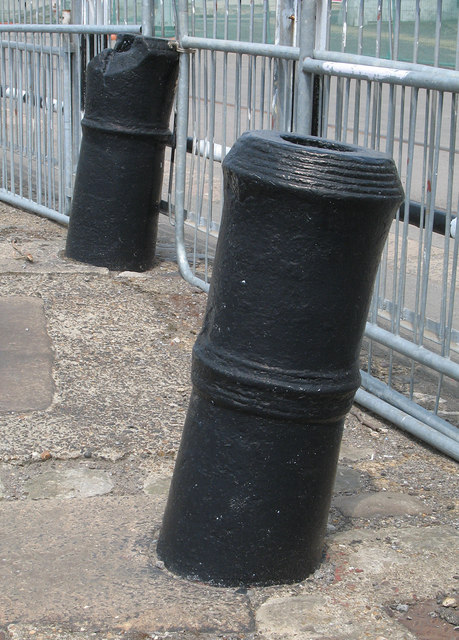
Regular cleaning removes dust and pollutants that accelerate grime; inspections reveal scuffs, hairline cracks, and mounting integrity.
- UV chalking and color fading
- Surface scratches from vehicle contact or equipment
- Hairline cracks or deformities from heat exposure
- Mounting hardware wear on adjacent fixtures
Lifecycle considerations hinge on climate, traffic, and upkeep. In many SA deployments, module-based designs support parts replacement or refurbishment, helping extend the useful life while aligning with local recycling streams that reduce landfill burden.
Longevity, warranties, and replacement planning
In South Africa’s busiest streets, every hour of downtime costs real money—and maintenance for bollards plastic is a quiet investment in uptime. Inspections and cleanings keep streets ready to serve. Think of this material as a long-haul partner—built to endure, tested by heat, glare, and traffic. Warranties from suppliers often guarantee structural integrity for years, with replacement windows built into procurement to keep budgets steady.
Durability comes from polymer resilience and corrosion resistance, letting these barriers shrug off urban spatter without rust. To sustain value, embed a lifecycle calendar that accounts for climate and refurbishment opportunities, rather than full replacement. Longevity, warranties, and replacement planning anchor the strategy, ensuring that when a part wears or a module ages, downtime remains minimal.
- Warranty windows aligned to asset condition and maintenance cycles
- Spare parts and modular components stocked for rapid swaps
- Refurbishment versus replacement decisions tied to recycling streams
Standards and regulatory compliance for plastic bollards
Maintenance is the quiet rite that keeps the sentinels upright along South Africa’s busiest streets. bollards plastic endure glare, heat, and the occasional gust of urban grime, while regular inspections and careful cleanings keep sidewalks safe and accessible. In this theatre, upkeep equals uptime.
Durability springs from polymer resilience and thoughtful lifecycle planning. A lifecycle calendar that aligns climate, refurbishment opportunities, and budget windows helps the city stay agile without reckless replacement. For bollards plastic, regulatory compliance ensures visibility, impact performance, and safe pedestrian sharing of space.
- Local municipal codes and road traffic guidelines
- Environmental and recycling regulations for end-of-life materials
- Manufacturer certifications and quality marks for plastic components
Standards and regulatory compliance weave a protective sheath around procurement and installation, guiding colour, reflectivity, and anchorage choices for urban zones. When streets glow with purpose, the guardians stay faithful, and the city breathes a little easier.
End-of-life options and recycling programs
Maintenance is the quiet discipline that keeps barriers upright on South Africa’s busiest corridors, where even a single hour of downtime costs millions. Regular checks and gentle cleanings reduce wear, preserving visibility and ensuring pedestrians stay safe. In this theatre, upkeep equals uptime.
Durability comes from smart polymer choices and a well-planned lifecycle. A lifecycle calendar aligns climate, refurbishment windows, and budget cycles so replacements aren’t reckless, but timely. For bollards plastic, end-of-life planning and recycling options lock in sustainability and uptime.
- Municipal recycling streams for plastics
- Manufacturer take-back programs
- Repurposing for low-load assets
- Energy recovery where facilities permit
In the long run, proper maintenance, durable design, and proactive end-of-life planning transform a simple barrier into a sustainable urban amenity that serves generations. The material proves that resilience is not merely a property of substance but a philosophy of lifecycle stewardship.
Repair versus replacement: cost analysis and decision factors
Maintenance matters. In South Africa’s busiest corridors, a single hour of downtime costs millions, so regular checks and gentle cleanings keep bollards plastic performing and visible. A modest maintenance routine preserves uptime and reduces costly outages.
Durability follows smart polymer choices and climate-aware design. A lifecycle calendar aligns refurbishment windows with budget cycles, making replacements timely rather than reckless. A durable approach lowers total cost of ownership and sustains urban safety.
Repair versus replacement: cost analysis and decision factors.
- Repair feasibility and cost versus full replacement
- Downtime impact and traffic disruption
- Long-term durability, warranty, and maintenance load
Taking a lifecycle view matters. Even with preventive maintenance, certain wear patterns push decisions toward replacement, but the timing should minimise downtime and align with procurement cycles.


0 Comments