
Understanding Bollards and Their Role in Preventing Car Theft
How Bollards Block Vehicle Access
Across South Africa’s urban streets, car theft remains a persistent worry, and a regional security study shows up to a 15% drop in theft attempts when robust barriers stand watch. bollards to prevent car theft aren’t ornaments; they are the quiet, steel guardians that shape how we move and who gets access. When placed strategically, bollards become a visible boundary that signals “no entry” to would-be thieves, and they do so with quiet authority.
- Disrupt vehicle approach and protect key zones
- Preserve pedestrian space while guiding traffic
- Withstand impacts and maintain perimeter integrity
Understanding how bollards block vehicle access reveals a simple truth: a solid barrier channels risk away from precious assets, inviting safer, more controlled spaces. The concept marries form and function, offering a calm confidence to property owners and security teams alike. This is why bollards to prevent car theft matter beyond aesthetics.
Key Features That Deter Car Theft
Across South Africa’s streets, the fear of car theft tightens the air around every curb. A regional briefing suggests that where robust barriers stand, theft attempts retreat by as much as 15%. Bollards aren’t artful accessories; they are disciplined silhouettes that insist on boundary and restraint, turning space into safety.
Understanding bollards and their role in preventing car theft reveals a quiet psychology: risk is redirected, not erased. When we speak of bollards to prevent car theft, we’re describing a technology that communicates intent—motion is discouraged and sightlines deter impulsivity!
Key features that deter car theft include:
- Robust impact resistance and endurance
- Secure foundations and anchoring methods
- Strategic height and high-visibility finishes
- Weather-resistant materials for SA climates
Together, these elements choreograph space with clarity and restraint, quietly protecting assets and people. The same principle—bollards to prevent car theft—applies across sites, from storefronts to corporate campuses.
Differences Between Security Bollards, Parking Bollards, and Decorative Bollards
Across South Africa, robust street barriers have quietly reshaped risk. A regional briefing notes that theft attempts retreat by as much as 15% where sturdy barriers stand. That statistic isn’t dramatic noise; it’s boundary language—clear, unyielding, and practical.
Understanding bollards and their role in preventing car theft begins with three families: security bollards, parking bollards, and decorative bollards. When discussing bollards to prevent car theft, the choice hinges on threat level, visibility, and maintenance. Security bollards rise to high-impact scenarios; parking bollards manage space and access control; decorative bollards deliver deterrence with façade-friendly aesthetics.
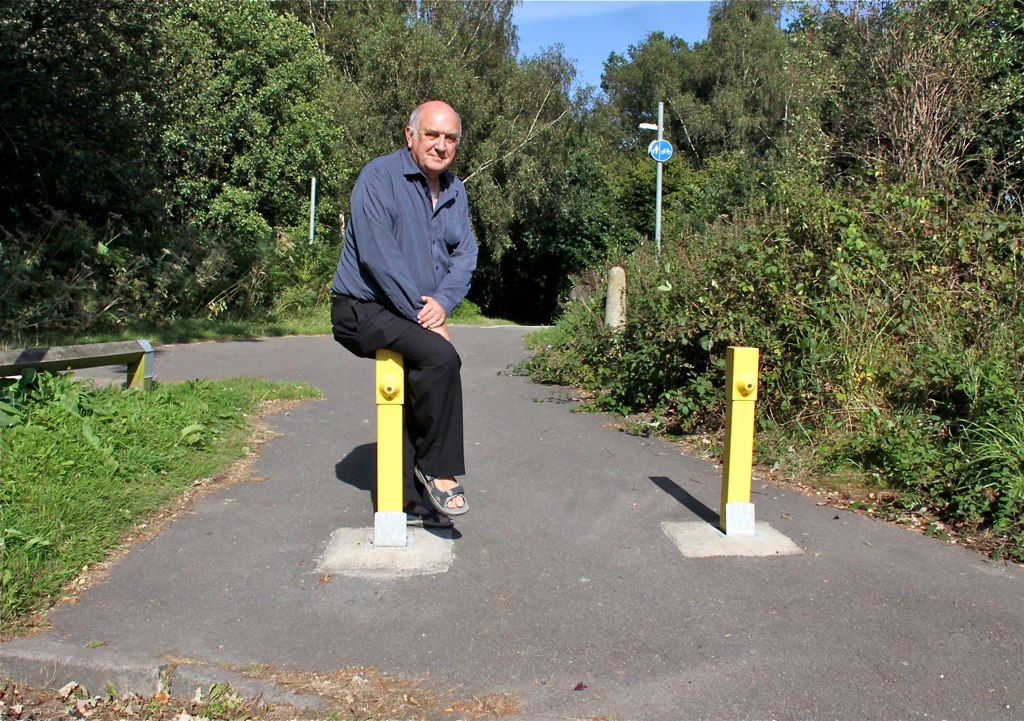
Key distinctions include:
- Security bollards: high-impact resistance, fixed or crash-rated options.
- Parking bollards: tuned height and spacing for vehicle guidance and theft deterrence.
- Decorative bollards: aesthetic integration with minimal loss of visibility and legibility.
Each type quietly shapes how space communicates safety across storefronts, campuses, and streets throughout South Africa.
Why Bollards Aren’t a One-Size-Fits-All Solution
In the bustle of South Africa’s cities, a stubborn truth hums beneath the pavement: theft attempts retreat by as much as 15% where sturdy barriers stand. Across storefronts and campuses, bollards softly rewrite the risk into form—monoliths that say, ‘not today.’ A regional briefing notes this shift, turning danger into boundary language that is clear, unyielding, and practical. I see the effect daily, a quiet sentence of safety spoken in steel!
Understanding bollards to prevent car theft is not a one-size-fits-all quest. The street, after all, is a living script: context, sightlines, and upkeep all stage the drama. Each choice writes a different boundary between commerce and chaos, guiding pedestrians and drivers with equal parts grace and resolve.
Legal and Regulatory Considerations for Bollard Installation
Cities hum with risk, but a single steel line can alter the script. In South Africa, theft attempts retreat by as much as 15% where strong barriers stand. Bollards are not mere posts; they announce boundaries with quiet authority.
Understanding bollards and their role in preventing car theft means looking at function, form, and placement. They guide drivers, protect pedestrians, and blend with architecture. Bollards to prevent car theft work quietly, signaling boundaries without shouting.
Legal and regulatory considerations for bollard installation head straight to councils and codes. Permits, fire access, and accessibility rules shape every choice. Plan for maintenance, drainage, and warranty so the barrier stays reliable.
- Local planning and by-laws require permits for permanent fixtures.
- Fire and emergency vehicle access must be preserved.
- Accessible routes and pedestrian safety guidelines apply.
- Maintenance regimes and warranty terms link to compliance and funding.
Choosing the Right Bollards for Your Property
Assessing Property Risk and Vehicle Traffic
Choosing the right bollards for your property isn’t a one-size-fits-all pull of a lever. It’s a careful dance of risk, traffic, and curb appeal. In South Africa, installing the right solution matters, because the street tells you what it tolerates—and bollards to prevent car theft should be part of the answer, not an afterthought.
Assessing property risk and vehicle traffic means mapping who uses the space, when, and at what speeds. Consider access points, pedestrian zones, and nearby vulnerable points—then translate that insight into a bollard strategy that fits the landscape without turning it into a fortress.
- Expected vehicle flow and turning radii
- Adjacent pedestrian pathways
- Delivery and emergency access
- Maintenance and corrosion exposure
Materials and Construction: Steel, Concrete, and Composite
Choosing the Right Bollards for Your Property Materials and Construction: Steel, Concrete, and Composite. Steel offers formidable resilience and swift installation; in South Africa, protective coatings and regular anti-corrosion care keep the shine and strength vibrant under sun and spray.
Concrete anchors weight and permanence, a steadfast boundary that resists casual mischief. It speaks of gravity and patience, yet requires proper foundations to avoid cracks and unsettled lines, a reminder that true security rests on thoughtful craftsmanship.
Composite blends modern polymers with engineered cores, delivering corrosion resistance, lighter handling, and more generous design freedom. When selecting bollards to prevent car theft, this trio of materials offers choices tailored to site conditions, budget, and the rhythm of daily life.
- Steel: maximum strength
- Concrete: weight and permanence
- Composite: corrosion resistance
Impact Ratings and Standards (K12, K4, etc.)
Choosing the right bollards is less about adding a barrier and more about calibrating risk, speed, and daily life. Impact ratings and standards set the measure of resilience, from quiet commercial yards to bustling city entrances. For broad South African sites, these ratings translate into practical choices—strong enough to stop a determined vehicle, discreet enough to keep sightlines clear. When planning, consider bollards to prevent car theft as part of a holistic security rhythm.
Different standards—K12, K4, K8—track energy absorption and crash dynamics, guiding where each bollard belongs. Weigh traffic flow, vehicle types, and maintenance needs alongside site geometry. The result should feel inevitable: safe, accessible, and unobtrusive, with a design that ages gracefully rather than demanding costly overhauls.
Aesthetic Options and Urban Design
Across South Africa, street fixtures whisper about safety; a recent survey hints that 60% of attempted vehicle intrusions hinge on a momentary misread of access. Choosing the right bollards to prevent car theft is choreography, not conquest—an exercise in balance between reach and restraint.
Your property should speak of place, not alarm. Aesthetic options span the minimalist to the sculptural, shaping how pedestrians experience security without breaking their stride. Consider how lines, light, and finish converse with surrounding architecture.
- Minimalist linear forms that blend with façades
- Sculptural silhouettes that become landmarks
- Discreet, color-matched finishes for seamless sightlines
- Timeless textures that age gracefully
Measured design respects daily life—traffic flows, deliveries, and late-night strolls—while remaining resolute. A thoughtful choice today grows into a confident street tomorrow.
Installation Methods: Surface-Mounted vs In-Ground
Across South Africa, a momentary misread of access can decide a car’s fate in seconds, and the right bollards to prevent car theft are more than curbside decor. They act as quiet sentinels, shaping behavior without shouting. Aesthetics and restraint can coexist, turning security into everyday confidence.
When choosing installation methods, surface-mounted bollards offer quick, reversible deployment, while in-ground bollards deliver deeper anchorage and permanence.
- Surface-mounted: quick, reversible deployment
- In-ground: deeper anchorage and permanence
Consider drainage and pedestrian flow as you weigh maintenance needs.
Ultimately, the choice of bollards to prevent car theft must respect the street’s rhythm—pedestrians, deliveries, and daily passage all in one line. The balance of reach and restraint shapes tomorrow’s security narrative.
Installation, Maintenance, and Longevity
Planning and Permits for Bollard Installation
When you install bollards to prevent car theft, you’re building more than a barrier—you’re shaping how a street breathes. Start with a practical site survey: parking patterns, underground utilities, and pedestrian flow. In South Africa, coordinate with the local council to secure permits and ensure the base is robust.
Maintenance is ongoing. Regular checks for loose anchors, chipped coatings, and rust are part of responsible stewardship. Clean surfaces, refresh protection as needed, and follow manufacturer guidance. Regular care extends life and keeps the urban corridor looking sharp.
Longevity planning and permits require budgeting for replacement and early permit dialogue. Begin approvals early to avoid delays and ensure the project stays compliant with local by-laws.
- Local permits and zoning approvals
- Utilities, drainage, and site clearance
- Coatings, corrosion protection, and warranty terms
Installation Techniques: Surface Mount vs In-Ground
Bollards to prevent car theft are not merely barriers; they’re urban sentinels that let cities breathe. In South Africa, I’ve watched them anchor safety along busy streets, guiding flows of vehicles and pedestrians with quiet authority, turning risk into routine without shouting for attention.
Installation Techniques: Surface Mount vs In-Ground. Surface-mounted bollards can be deployed quickly with minimal disruption, while in-ground systems offer superior anchors for heavy traffic. The choice hinges on substrate, utilities, and how easily future maintenance access can be preserved.
- Surface mount: quick installation, lower upfront costs, easier retrofits.
- In-ground: deeper anchorage, higher vandal resistance, longer service life.
Maintenance and longevity follow: inspect anchors for looseness, refresh coatings and corrosion protection, and honour warranties. With proactive care, these bollards to prevent car theft stay robust against SA climate and urban wear—guardians of safe, flowing streets!
Maintenance Best Practices: Cleaning, Testing, Replacement
Maintenance begins where installation ends. Once bollards to prevent car theft are in place, a disciplined care routine keeps them performing under SA’s sun and urban wear. Regular cleaning, corrosion checks, and periodic coating refreshes extend their service life and keep streets inviting rather than burdened.
- Consistent cleaning preserves appearance and slows coating degradation.
- Regular inspections for looseness and corrosion help anticipate issues before they worsen.
- Selective testing of operation ensures reliability without causing disruption.
Longevity hinges on timely replacement and warranty awareness. Choose robust coatings suited to coastal and inland SA climates, and document inspections to build a maintenance trail. Bollards to prevent car theft stay guardians of safe, flowing streets when cared for with foresight.
Common Issues and Troubleshooting
Installation of bollards to prevent car theft demands precision; in the right spot, a single steel sentinel can pause a high-speed dash. In South Africa, surface-mounted and in-ground anchors reflect substrate and exposure. A careful assessment guides fixings chosen for coastal or inland climates. When seated properly, these sentinels quietly guard streets.
Maintenance keeps them performing under SA’s sun. Regular cleaning, corrosion checks, and occasional coating refreshes extend life and street appeal. A simple checklist helps:
- Clean and inspect every 6–12 months
- Check base for looseness or rust
- Document coatings and warranty status
Longevity hinges on addressing common issues early: base movement, coating wear, and misalignment after impacts. Troubleshooting means verifying foundation integrity and anchorage, and consulting manufacturers for warranty-backed replacements when needed. With care, bollards to prevent car theft endure as steadfast guardians of safe streets.
Seasonal and Environmental Considerations
Installation sets the tone for protection long after the permit papers are signed. Proper alignment, compatible foundations, and thoughtful siting ensure bollards to prevent car theft become steadfast guardians without overpowering the street’s character.
Maintenance is quiet and essential. Regular cleaning, rust checks, and fresh coatings preserve aesthetics and function, letting the materials weather SA’s sun and storms gracefully, while preserving risk-reduction benefits without downtime or disruption.
Longevity hinges on climate, coastal spray, and seasonal swings. In SA, coastal sites demand corrosion resistance and inland locations benefit from robust UV-stable finishes.
- Coastal salt spray
- Seasonal temperature shifts
- Dust, sand, and heavy rainfall
These realities shape enduring performance for bollards to prevent car theft.
Cost, ROI, and Case Studies
Upfront vs Long-Term Costs of Bollards
SA property managers report a startling stat: robust bollards cut vehicle theft risk by up to 60% compared with open driveways. The takeaway hits like a speed trap—security pays for itself in fewer incidents and calmer tenants.
Cost considerations come in two waves: upfront investment and long-term ROI. Outlay covers bollards, foundations, and installation; the long game pays back via reduced insurance premiums, less downtime from theft-related cleanup, and higher property value.
For businesses weighing bollards to prevent car theft, the math hinges on upfront costs vs ROI.
Case studies illustrate the pattern:
- Commercial car parks with perimeter bollards saw fewer attempted incursions.
- Residential complexes reported faster access control and happier residents.
- Retail precincts noted improved safety perception and shopper confidence.
Return on Investment: Theft Reduction and Property Value
South African property managers weigh the price tag against peace of mind. The choice to install bollards to prevent car theft comes with upfront costs—bollards themselves, foundations, installation—and a budget reality that can sting. Yet the alternative bites deeper in downtime and losses.
Over the long haul, the ROI accumulates as lower insurance quotes, less disruption from incidents, and a steadier turnover of tenants. Theft reduction translates into higher property value and market appeal, helping lenders and buyers see a safer, more reliable asset.
In practice, sites with a robust perimeter tend to report fewer breaches, smoother access for residents, and a calmer retail mood that translates into shopper confidence and longer lease terms.
Cost Comparison by Material and Height
“Peace of mind isn’t cheap, but it pays.” South African property managers know the math: bollards to prevent car theft come with upfront costs—manufacture, foundations, installation—that can sting at first. Yet the alternative bites deeper in downtime and losses, especially in high-risk areas.
Over time, ROI accumulates as insurance quotes dip, incidents ease, and tenant turnover stabilizes. Case studies from bustling commercial precincts and leafy residential estates alike show that a robust perimeter invites smoother access and calmer days. Cost comparison by material and height matters—it’s not one-size-fits-all.
- Concrete bollards: economical upfront, good for lower heights (up to 1 m)—ideal for pedestrian zones.
- Steel bollards: higher upfront, greater impact resistance, suitable for 1.0–1.6 m heights.
- Composite or stainless options: heavier installation, best for high-traffic, high-risk sites.
In the end, the asset becomes more predictable, attracting lenders and buyers who seek safety as a cornerstone of value.
Case Studies: Retail, Residential, and Public Spaces
Cost and ROI sit at opposite ends of the same equation. Upfront costs vary by material and height, with concrete offering economical options for lower perimeters, while steel delivers heft against determined drivers. As one South African property manager warned, “Peace of mind isn’t cheap”—yet the ROI speaks. In South Africa, perimeters must justify upfront spend. The payoff isn’t mere numbers; downtime shrinks, insurance quotes soften, and tenants feel safer. These bollards to prevent car theft become not just equipment but a signal that value sits at the perimeter.
- Retail precincts see smoother access and fewer theft attempts, translating to higher shopper dwell time.
- Residential estates report lower incident rates and improved renewal prospects as streets feel contained and predictable.
- Public spaces and campuses benefit from controlled vehicle flow, easier maintenance, and calmer streetscapes.
Financing Options and Public-Private Partnerships
Costs for bollards to prevent car theft sit at the intersection of material, height, and perimeter. In South Africa, concrete options stretch value for boundaries, while steel lends heft against determined drivers. Upfront spend must be weighed against downtime avoided and insurance quotes softened by resilience. Peace of mind isn’t cheap—yet it pays back in efficiency.
ROI shows in smoother operations, fewer incidents, and steadier tenant renewals. The payoff isn’t only financial; it’s a safer reputation that lowers maintenance cycles and edges up property value, turning perimeters into worthwhile investments rather than afterthought barriers!

Case studies from retail, residential, and public spaces highlight financing options and Public-Private Partnerships that turn security into a shared project:
- Municipal incentives and grants
- PPP funding for phased installations
- Lease-to-own or vendor financing
Together, these pathways let properties realise the full value of bollards to prevent car theft without compromising aesthetics or community lifelines.



0 Comments