
Evaluating Core Manufacturing Strengths
In-House vs. Contracted Production
Many bollards suppliers face a quiet decision long before steel is cut. Should manufacturing stay under their own roof, or should trusted partners handle fabrication? In-house production offers direct control over welding quality, galvanising depth, and delivery timelines. Contracted production, however, allows smaller players to scale without heavy capital investment.
Consider what your core strength truly is:
– If precision engineering defines your brand, keep fabrication close.
– If logistics and site coordination drive your value, outsource bulk fabrication.
South African bollards suppliers often blend both models, keeping design and final inspection internal while contracting repetitive cutting or casting. That hybrid approach balances quality oversight with cost efficiency. The right choice depends on what your clients actually pay you for.
Capacity for Large-Scale Projects
Large-scale projects expose the difference between a factory that works and one that merely exists. We once watched a supplier promise two thousand bollards within a month. Their melting furnace failed on day three, and the backup unit had been sold for scrap. Capacity is not a number on a spreadsheet. It is the sum of kilowatts, labour hours, and spare parts on site.
Bollards suppliers who consistently deliver large orders maintain excess raw steel inventory and a second shift that can be summoned on short notice. They also track machine downtime accurately. Those metrics reveal more than any sales pitch.
Casting cycle times and rejection rates often determine whether a project finishes on schedule. When a municipality needs road barriers before a busy season, actual throughput becomes the only statistic that matters.
Advanced Welding and Machining Techniques
Welding might not be glamorous, but it is the spine of a bollard that survives an impact. Bollards suppliers who treat welding as an art form rather than a chore produce barriers with visible, uniform seam integrity. A weld that cools too fast creates micro-fractures. Those fractures wait for a truck to hit them at speed.
When evaluating a factory, ignore the brochure and examine the weld shop floor for these indicators:
– Qualified welders with current certifications on file
– Written welding procedure specifications (WPS) posted at each station
– A dedicated area for preheating thick steel sections
– Regular third party testing of weld samples
Machining tolerance is the next battleground. The difference between a bollard that fits its foundation sleeve perfectly and one that rocks loose after six months is measured in microns. Some suppliers rely on worn lathes and manual calipers. Others use CNC machining centers that hold tolerances to a fraction of a millimeter. The choice reflects respect for the product.
A supplier that invests in automated cutting and drilling also shortens lead times. But precision comes at a cost. Many outsourced bollards suffer from mismatched drilling patterns and sloppy edge finishes. Inspect the chamfers and bolt holes closely. Clean, consistent geometry signals a controlled process. Ragged edges signal compromise. In South Africa, where dust and humidity accelerate wear, those small defects become structural liabilities within a year. The best bollards suppliers build their reputation on these quiet, technical details that nobody sees until something goes wrong.
Navigating Material and Compliance Requirements
Steel Grades for Corrosion Resistance
Steel has a memory. It remembers every salty gust from the Cape coast and every chemical spill in an industrial park. When a bollard fails, it rarely snaps from impact. It corrodes from within, silently, until the first car makes it buckle. That is why the grade of steel matters more than the thickness of the pipe.
Most bollards suppliers in South Africa offer two options: 304 and 316 stainless steel. The difference is molybdenum. This element gives 316 its superior resistance to chloride attack. If you are installing near the ocean or in a facility that uses de-icing salts, 304 will eventually pit. You will see rust spots that resemble freckles. It is not a cosmetic issue. Those pits become stress points.
– Exposure to coastal mist and salt spray
– Proximity to chemical runoff or aggressive cleaning agents
– The expected lifecycle of the installation site
– Whether the bollard will suffer physical abrasion that strips the passive layer
Compliance adds another layer. South African standards dictate specific grades for public infrastructure, but many private developers overlook this. They buy cheaper steel, and then they pay for replacement within five years. The right bollards suppliers will always ask about your site conditions before they quote. If they do not ask, they are not engineering. They are merely selling pipe. A galvanized core with a powder coat can work, but only if the coating remains intact. Every scratch is an invitation for oxidation.
Meeting ISO, ASTM, and Local Codes
An inspector once told me that a compliance certificate is only as good as the bollard that fails to impress it. Navigating material and compliance requirements feels like a chess match with a bureaucrat who changes the rules mid-game. ISO, ASTM, and local codes overlap, contradict, and occasionally agree.
A reliable set of bollards suppliers will parse these standards before quoting. Good bollards suppliers know that a certificate without traceability is a decorative document. The local municipality may demand one spec, while a private client insists on another.
- Verify the raw material certificate against the actual batch
- Confirm the weld procedure aligns with ISO 15614
- Check whether the local SABS mark applies to your application
Each step filters out the suppliers who merely download a template and hope. The rest, the honest ones, will tell you when a code conflicts with physics.
Surface Treatments and Finishing Options
Surface treatments separate a bollard that endures from one that rusts away within a few seasons. Coastal salt, industrial acid, and Highveld ultraviolet all conspire against steel, and the finish is the only defence.
Hot-dip galvanizing remains the baseline. Powder coating adds colour and grip. A duplex system, galvanizing followed by a polymer topcoat, delivers the longest service life. The preparation matters most. Blasting grit, zinc thickness, and curing temperatures determine whether the coating clings or flakes off like dead skin.
Reliable bollards suppliers will specify a system matched to the actual site conditions. I have seen cut-rate bollards suppliers skip the pre-treatment entirely, and the results surface within eighteen months.
The options break down simply:
– Hot-dip galvanizing to SANS 121
– Powder coating over a zinc-rich primer
– Duplex systems for coastal or industrial exposures
Always ask for the coating thickness reports before the units leave the factory floor.
Impact Testing and Load Verification
Nobody trusts a bollard on faith alone. Impact testing is where the engineered drawings meet physical reality. A weighted truck or sledge is driven into the post at a set speed, and the data logger captures the deformation, the anchor movement and the energy absorbed. The pass mark is not whether the bollard survives, but whether the deflection stays within the spec that was quoted.
Load verification then tests the anchor system in isolation. A hydraulic jack pulls the bollard sideways while strain gauges measure how much the base plate and holding-down bolts resist. These two exercises produce the graphs and certificates that separate professional bollards suppliers from the rest. I have watched a reputable supplier reject an entire batch because three out of twenty test pieces flexed beyond tolerance. That level of scrutiny cannot be faked.
- Dynamic impact tests at specified speeds
- Static load tests on anchors and welds
- Third-party witness testing for high-risk sites
The compliance paperwork must follow the physical evidence. Ask to see the original signed test sheets and the calibration records for the load cells. If the figures look too clean, they probably are. Reliable bollards suppliers treat verification as a daily ritual, not a one-off marketing exercise.
Environmental and Sustainability Certifications
Anyone can print a leaf on a brochure, but genuine environmental stewardship shows up in the paperwork. In South Africa, credible bollards suppliers now present environmental product declarations and ISO 14001 certificates alongside their galvanising specs. These documents confirm the carbon footprint of the steel, the recycled content, and whether the powder coating exceeds VOC limits.
- ISO 14001 environmental management certification
- Environmental product declarations for hot-rolled sections
- Waste disposal certificates for spent abrasive blasting media
I have seen glossy brochures that could not name the foundry that poured the steel. Ask about the chain of custody for scrap metal. Traceability matters more than the green paint used on the bollard itself. A supplier who hesitates on these answers will struggle to satisfy a green building council’s audit.
Customization, Design, and Engineering Support
Bespoke Shapes and Architectural Aesthetics
Bespoke shapes require more than a fresh mold. Design engineers reconcile architectural aesthetics with structural reality, and this balance separates capable bollards suppliers from the rest. One client requested tapered hexagonal posts that echoed the local sandstone cliffs. That project demanded iterative load testing and custom steel fabrication.
Customization extends to every detail. Surface textures, bolt patterns, even the angle of a reflective strip are negotiable! Engineering support means someone answers when a drawing fails to align with site conditions. The best suppliers treat your blueprint as a starting point, not a constraint.
- Embedded lighting channels
- Radiused corners for pedestrian comfort
- Integrated seating elements
These features are possible only when design and production teams communicate early.
Integration with Lighting and Security Systems
Security integration transforms a bollard from a passive barrier into an active layer of site protection. South African bollards suppliers increasingly pair structural steel with embedded lighting and access control systems. This requires early collaboration between electrical engineers and fabricators, because conduit routing must align with foundation layouts.
Customization matters here. A bollard that houses a card reader or motion sensor needs a sealed enclosure, weatherproof cabling, and removable panels for maintenance. Design teams must balance these components against impact resistance.
- Photovoltaic lighting elements
- Vehicle detection loops
- Remote monitoring interfaces
Engineering support ensures these systems perform under real conditions. Load testing verifies that the housing remains intact during a collision. The best suppliers deliver this integration without compromising either function.
Engineering Consultation for Site Loads
In South Africa, wind load often dictates a bollard’s true structural requirement, more than the vehicle it must stop. The most rugged steel cylinder fails if the foundation and subsurface soil cannot anchor it against lateral force. This is why engineering consultation for site loads precedes any fabrication. Experienced bollards suppliers will not quote a product without geotechnical data and a clear understanding of local seismic activity.
The consultation examines several dynamic factors:
– Soil compaction and drainage characteristics at the installation depth
– Frequency of heavy vehicle traffic and potential impact angles
– Proximity to underground utilities or existing reinforced concrete slabs
This analysis shifts the design from cosmetic to performance-based. A bollard for a port authority substation has vastly different foundations than one for a suburban retail entrance. The consultation determines the precise embedment depth and whether a concrete collar is mandatory. The design phase then translates those calculations into weld patterns and base plate thickness. Engineering support validates the final choice, ensuring the selected unit performs its duty without over-engineering the budget.
Prototyping and Sample Approval Workflow
A prototype is the first confession of intent. It turns a specification from a dry document into a tangible guardian of concrete, glass, and flesh. Before any production run begins, a scale model or a full-size unit emerges from the workshop floor. It is not built for show. It is built to be examined, measured, and doubted.
The sample approval workflow is a ritual of scrutiny. It involves a sequence of checks that no drawing can fully capture. A wise buyer requests multiple samples from different production batches. A single perfect unit is a fluke. A consistent pattern is proof of control.
1. Dimensional verification against the original CAD files with a calibrated laser.
2. Weld integrity inspection using dye penetrant or magnetic particle testing.
3. Surface finish comparison against the approved colour and texture chart.
4. Final load verification on a controlled test slab before sign-off.
This process separates the craftsmen from the assemblers. The approved sample becomes the master reference. Every subsequent unit is then compared to that original standard, not to a faded drawing. The world’s leading bollards suppliers understand that the sample is the promise, and production is the delivery. A junior fabricator rushes this phase to meet a quota. A reputable supplier guards this phase like a vault, because once the sample is signed, the fate of the entire project is sealed in steel and concrete.
Pricing, Logistics, and Order Management
Transparent Cost Structures and Quoting
In South Africa, a single unexpected logistics delay can add 18% to project costs. That is why our pricing process starts with current steel prices, transport fuel levies, and port congestion factors. We are bollards suppliers who give you a full breakdown of material, fabrication, and delivery costs. No hidden surcharges appear weeks later.
Our order management system tracks each batch from factory floor to site gate. For complex shipments, we offer staged invoicing and real-time updates. Consider what transparent quoting should always include:
- FOB or CIF terms clearly defined
- Lead time per quantity tier
- Installation handover checklists
That level of clarity lets contractors budget with confidence, and it keeps our commitments measurable.
Minimum Order Quantities and Lead Times
Steel prices move daily. That reality shapes our minimum order quantities and lead times. As bollards suppliers, we can work with a single unit for standard products. Bulk projects earn better per-unit pricing, but logistics stay the same.
Lead times stay locked to three variables: steel stock availability, fabrication queue, and transport route. Local delivery runs between two and four weeks. Cross-border loads add clearance time. You receive a promised dispatch date when you sign the order. Order management starts with a simple acknowledgement. A factory gate photo arrives when your batch is ready. For larger orders, we schedule staged releases.
Our standard MOQ structure:
- Standard bollards: 10 units
- Bespoke fabrication: 5 units
- Bulk infrastructure: 500 units minimum per phase
That keeps the workshop efficient and your budget predictable, which is what bollards suppliers should deliver.
Freight, Packaging, and International Shipping
Pricing sits on a landed cost basis. That means freight, insurance, and duties appear in your quote, not as surprises. For bollards suppliers shipping from South Africa, Durban or Cape Town ports set the baseline. Packaging follows a simple rule: prevent movement. Every bollard gets foam end caps and corner guards. Small batches ship on wooden pallets; large consignments use steel stillages.
International freight moves via FCL or LCL containers. We manage the booking, the packing list, and the bill of lading. Customs clearance requires precise HS codes, and we provide those with every invoice. Transshipment through Johannesburg adds a day, but direct routes cut that risk. Order management tracks each container until proof of delivery arrives.
Long-Term Partnership and After-Sales Care
Warranty Terms and Claim Processes
Selecting bollards suppliers is the beginning of a relationship, one that should outlast the concrete around their posts. Warranty terms reveal a manufacturer’s confidence. Long term partnership depends on whether that confidence persists after the invoice is paid and the site is operational.
In our experience, claim processes vary among bollards suppliers. Dependable ones keep meticulous records of every test result, batch number, and inspection. When a claim arises, a direct line to the engineering team outperforms any call center! A typical sequence includes:
- Submitting the serial number and installation date from your delivery documentation.
- Providing clear photographs of the affected unit and its surroundings.
- Hosting an inspection visit, usually arranged within ten working days.
After-sales care, done properly, keeps the warranty functional for the entire service life of each unit, turning a contractual formality into a working relationship.
Spare Parts Availability and Global Distribution
Long term partnership with bollards suppliers reveals itself in the quiet moments after installation. A unit damaged by a forklift, a control board that needs replacement, or a site manager requesting technical drawings from five years ago. That is when the relationship proves itself.
Spare parts availability separates serious manufacturers from order takers. We keep components in circulation for decades after a product line is discontinued. If you need a specific hinge, locking mechanism, or replacement cover, the part ships within days. Our Johannesburg warehouse holds common spares, while deeper inventory moves through our global network to reach Cape Town, Durban, or any site across the continent.
Global distribution matters when your project spans borders. Our logistics partners handle customs clearance and delivery to remote locations, so the same quality of support follows the product wherever it lands. The right bollards suppliers keep the conversation open long after the concrete sets.
Technical Installation Support and Documentation
When a delivery arrives on site in Polokwane or Stellenbosch, the installation crew needs answers fast. Technical installation support from bollards suppliers means the drawings match the units in front of you. We deliver wiring diagrams, torque specifications, and anchor layouts that correspond to your exact shipment.
Our support team stays available during the installation window. A phone call resolves confusion about control board placement or foundation depth. Every product ships with complete documentation:
1. As built drawings for each production batch
2. Load test certificates with serial numbers
3. Maintenance schedules listing replacement parts
4. Direct contact details for technical queries
That documentation remains accessible through your account portal years later. Site managers call it up for audits, expansions, or staff handovers. Good bollards suppliers treat installation as the first phase of ongoing support.
Maintenance Programs and Retrofit Upgrades
The lifespan of a security barrier extends far beyond its installation date, and the value of that longevity depends entirely on the relationship you build with your supplier. A bollard that stands for fifteen years in the Cape Town weather or the Highveld sun requires more than just good steel. It requires a partner who anticipates the slow creep of wear and the rapid shifts in security threats.
Maintenance programs from established bollards suppliers function as a preventive measure, not a reactive expense. Scheduled inspections catch hydraulic leaks, control board corrosion, and foundation cracks before they become costly failures. A structured agreement typically includes:
- Annual load testing to verify structural integrity remains within specification
- Hydraulic fluid analysis to identify contamination before it damages the power unit
- Electrical diagnostic checks on photo eyes, loop detectors, and control panels
- Surface treatment touch-ups to prevent rust propagation at scratches or impact points
These visits also generate a documented service history. That record becomes invaluable during insurance assessments or when you need to justify a capital replacement request to your board.
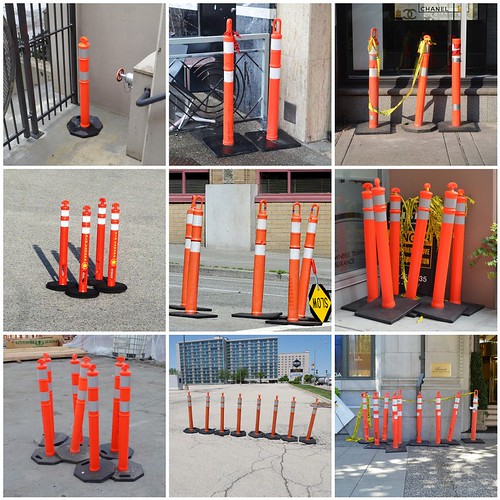
Retrofit upgrades offer a cost-effective alternative to full replacement. A supplier who maintains their own manufacturing line can supply upgraded control boards that integrate with your existing building management system. They can swap a standard fixed bollard for a shallow mount unit when underground services are discovered during a site redevelopment. The same bollards suppliers can also upgrade your operational units with new LED lighting rings or enhanced security modules, bringing older infrastructure into compliance with current safety standards without the disruption of new foundations. This approach protects your initial investment while extending the operational window of your perimeter defense.
Customer Feedback and Reputation Tracking
A supplier’s true character emerges after the invoice is paid. The best bollards suppliers track their reputation with constant attention and a low tolerance for surprises. They collect customer feedback systematically and use it as raw intelligence for product refinement.
I have seen a single complaint about a sticky lock mechanism in Durban’s salt air trigger a design review that benefits every coastal client. That feedback loop only exists when the supplier maintains genuine after-sales communication.
Strong after-sales care includes:
- A dedicated contact person who knows your site history
- Proactive follow-ups after severe weather events
- Transparent reporting on how feedback changed production
When a supplier treats your observations as valuable data, you become part of their quality process. That partnership turns a one-off purchase into an ongoing relationship with a stake in your safety.
Vendor Managed Inventory and Reorder Policies
From my own experience, the relationship with leading bollards suppliers often evolves into something more efficient than a simple purchase order. When a supplier understands your site’s traffic patterns and security requirements, they can propose vendor managed inventory arrangements that keep critical components stocked without constant oversight from your team.
Reorder policies matter in this context. The best suppliers monitor consumption rates and alert you before stock runs low. This proactive approach prevents downtime and eliminates the scramble for replacement parts.
A good vendor managed inventory program typically includes:
- An agreed stock level based on your actual usage data
- Automatic replenishment triggers when thresholds are reached
- Quarterly reviews to adjust for seasonal patterns
- A single account manager who knows your full site history



0 Comments