
The Dual Purpose of Ornamental Bollards
In South Africa, where urban spaces often blend heritage with modernity, bollards decorative serve as quiet storytellers. They do more than mark boundaries. These sturdy posts guide drivers, protect pedestrians, and define the character of a street.
Consider the dual purpose. On one hand, they deliver safety and order. On the other, they add aesthetic rhythm to sidewalks, plazas, and walkways. A well designed bollard can transform a plain corner into a visual anchor, while still stopping awandering car. That is why we see them across Cape Town’s historic districts and Johannesburg’s regenerated precincts.

The key is material and form. Cast iron, granite, even timber, each offers its own texture. Some are topped with intricate finials, others carry engraved motifs. Together, bollards decorative balance function with ornament, proving that protection never needs to be boring.
Materials and Finishes That Define Durability and Aesthetics
It is easy to walk past a row of bollards decorative without a second glance, but their material composition matters. A steel core feels solid. It resists the careless scrape of a delivery truck. Yet, the finish is what catches the afternoon light. In South Africa, the sun is relentless. A powder coated surface stands up to that ultraviolet punishment. This protects the metal and preserves the colour for years.
Durability is not just about thickness. It is about the entire system.
– Hot-dipped galvanising prevents rust from spreading.
– A polyester powder coat adds a tough outer layer.
– Stainless steel, especially grade 316, handles coastal salt air.
You want a finish that requires little fuss. A textured, matte look hides scuffs better than a high gloss mirror. With the right coating, these bollards decorative become a permanent part of the streetscape. They look sharp on day one and still hold their own after a decade of storms. It is a simple choice with lasting results.
Architectural Styles and Thematic Trends
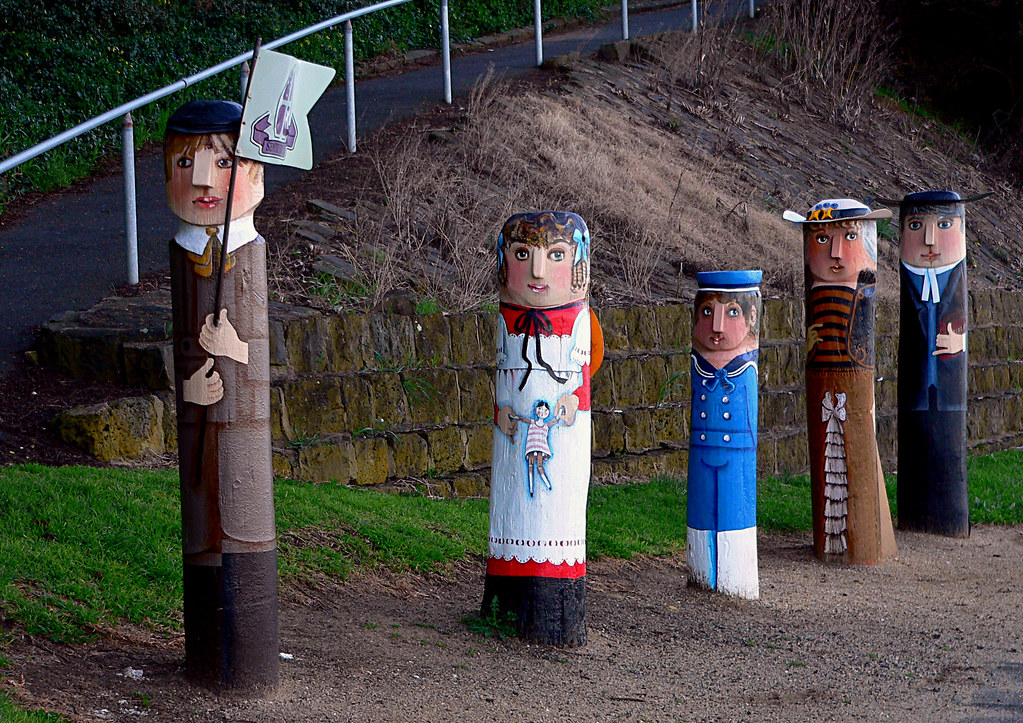
The farm road ends where the property’s true character begins. We are seeing a shift away from the bare metal poles that once marked our driveways. Homeowners now view boundary markers as an extension of the indoor design. They want the entrance to tell a story before a single word is spoken. The utilitarian post has been replaced by a sturdy sentinel that holds a lantern or a sphere. It is a simple pleasure to come home to a light that feels like it is waiting for you. The warm glow spills across the gravel, and the hard lines of the fence seem to soften.
This is where decorative bollards come into their own. They are not just functional posts. They are the exclamation point at the end of a long property line. The trend is moving toward materials that weather well with the sun and the rain. We see a lot of textured metal and powder coated finishes. Here are some of the current themes we are installing:
– Rusted or Corten steel looks to match the rust-colored soils of the Highveld.
– Slim, vertical slits that cast leaf-like shadows on the driveway.
– Bell-shaped toppers that pay homage to the Cape Dutch gables.
– Painted a matte black or a deep forest green to blend into the bushveld.
The human handprint is also making a return. People want to see the hammer marks. They want the humble shape of a water droplet or a protea petal pressed into the metal. This is not just landscaping for us. It is part of the everyday rhythm of living. The light catches those edges in the late afternoon, and for a moment, you forget about the security aspect entirely. You just feel the comfort of a place that is properly marked.
Strategic Placement and Safety Compliance
We often overlook the silent sentinels of our pavements. These unassuming posts protect storefronts and pedestrians. But their placement is no accident; it is a calculated dance between drama and discipline.
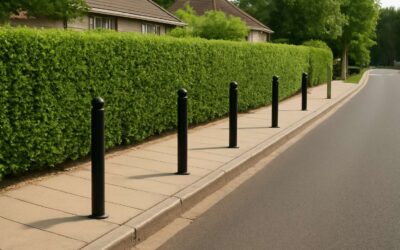
Strategic placement requires walking the site. I consider foot traffic, delivery bays, and that one driver who thinks the curb is a suggestion. A thoughtful layout guides people naturally without creating a fortress atmosphere. Consider this simple hierarchy for any zone:
- High-risk entrances need higher bollards.
- Keep a clear line of sight around corners.
- Leave space for maintenance vehicles.
Safety compliance is a different beast altogether. It involves local municipal bylaws and impact ratings. Each bollards decorative must pass strict load tests to ensure they stop a runaway vehicle without compromising access for emergency crews. We cannot ignore the cryptic language of safety codes; it exists to save lives.
Installation, Maintenance, and Long-Term Value
Installing bollards decorative is a weekend job that pays off for years. The foundation matters more than the finish. I’ve seen elegant posts fail because the concrete footings were shallow. For South African soil, dig at least 600mm down. Space them to match your gate or pathway rhythm.
- Mark your layout with string lines.
- Dig the holes and brace the posts.
- Pour concrete and allow a week to cure.
Coastal air is brutal. Salt eats cheap paint, so check the welds and base plates every rainy season. A fresh coat of polyurethane keeps bollards decorative looking sharp without robbing their grip.
A well-maintained bollard stands upright for decades. It guides delivery drivers, protects your lawn, and quietly frames your entrance. That is the long-term value you cannot see in a showroom.
0 Comments