
Overview of bollard materials
Common materials used in bollards
In the bustling tapestry of South Africa’s cities, bollards do more than guard doorways; they tell a story of durability under sun, rain, and coastal breeze. A telling stat from urban studies shows that durable materials can last up to 40% longer in public spaces than cheap substitutes. So, what are bollards made of and why does it matter?
Most bollards begin with steel, a sturdy backbone that withstands impact and age. For harsh climates or promenades, stainless steel resists corrosion better, while concrete and polymer composites offer quiet strength with distinct textures. Timber and recycled plastics bring warmth to pedestrian spaces, adding a touch of artistry to security in coastal cities such as Cape Town and Durban.
- Hot-dip galvanized steel
- Stainless steel
- Precast concrete
Each material choice carries a different life story, balancing security, upkeep, and local regulations across South Africa’s campuses, towns, and coastal promenades.
Why material choice matters for bollard performance
Durable bollards do more than guard entrances; they set the pace for a city’s daily life. Urban studies show that resilient materials can last up to 40% longer in public spaces. The overview spans metal cores, protective shells, and light composite skins, each delivering a different texture, glare, and maintenance profile for streets, campuses, and promenades across South Africa’s coastal and urban heartlands.
- Durability under salt spray and pollution
- Maintenance cycles and coating longevity
- Finish aesthetics that influence wayfinding and safety
Why material choice matters for bollard performance is simple: it governs safety, upkeep, and regulatory fit. The right choice balances impact resistance, weathering, and lifecycle costs while meeting local codes for coastal and campus installations. Understanding what are bollards made of matters because it shapes maintenance cycles, aesthetics, and total ownership.
Environmental and sustainability considerations
In South Africa’s street-level theatre, durability is more than resilience; it’s character. Understanding what are bollards made of helps explain how weathering and lifecycle costs unfold. The answer shapes coastlines, campuses, and promenades from the Cape to KwaZulu-Natal, especially where salt spray meets urban motion. The truth is, materials decide how the city breathes.
Environmental and sustainability considerations are integral. Durable materials reduce maintenance cycles and waste.
- Embodied energy and carbon footprint
- Recyclability and end-of-life recovery
- Corrosion resistance in coastal climates
- Local sourcing and transport emissions
For public spaces in SA, the best choices balance longevity, finish integrity, and regulatory fit! The overview of materials emphasizes resilience without sacrificing aesthetics.
Historical evolution of bollard materials
Coastal SA bollards that endure halve maintenance cycles over a decade. So, what are bollards made of? The answer reads like a weather report: iron anchors strength, steel negotiates wear, and modern finishes whisper into saline winds. Think of materials as the city’s wardrobe—polished or practical, but always prepared for the climate.
A quick arc through history reveals a clear trajectory: early streets leaned on wrought iron and cast iron, then steel became the backbone of progress, while reinforced concrete provided stubborn durability.
- Wrought iron and cast iron in early streets
- Cast steel and structural steel in the industrial era
- Reinforced concrete and granite for durable plinths
- Stainless steel, alloyed aluminum for corrosion resistance
- Polymer composites in modern, modular designs
In coastal climates, finishes matter almost as much as the raw material, guarding against salt spray and sun. Local sourcing and lifecycle thinking keep city breathing and budgets balanced.
Metal bollards and alloys
Steel bollards: strength, integrity, and applications
Metal bollards rise like obsidian sentinels along the city’s spine, and in answering what are bollards made of, steel stands first and foremost. Steel bollards—carbon, galvanized, or stainless—deliver unyielding strength and steadfast integrity, halting errant wheels without flinching. In South Africa’s busy precincts, they shield pedestrians, line harbourfronts, and anchor industrial yards, enduring sweltering sun, salty air, and the occasional storm with a patient, nocturnal resolve.
Alloy variants extend the tale beyond plain steel, offering tuned performance for varied scenes.
- Corrosion resistance suited to coastal and inland climates
- Controlled hardness and ductility for targeted impact resilience
- Finish options that blend security with urban aesthetics
From port terminals to precincts and parklands, these steels shape how places feel under pressure—quiet yet watchful, practical and poetic.
Stainless steel vs carbon steel: corrosion resistance and maintenance
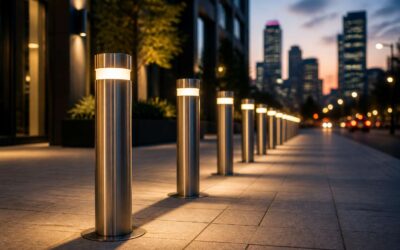
Metal bollards, especially in South Africa’s bustling precincts, come in two stalwart camps: stainless steel and carbon steel. Stainless steel endures the coastal glare and salty air with impressive corrosion resistance, keeping lines clean along harbourfronts. Carbon steel is a tougher backbone that rewards robust coatings—galvanization, epoxy, or paint—with predictable wear and lower upfront cost. Consider the question what are bollards made of when evaluating stainless versus carbon steel.
In brief, two paths—two manners of aging with the city:
- Stainless steel: superb corrosion resistance; minimal maintenance in salt-laden air.
- Carbon steel: high strength with galvanised, epoxy, or powder coatings; longer intervals between refinishing in many environments.
Either choice speaks to coastal practicality and urban aesthetics, pairing form with function.
Protective finishes: galvanizing, powder coating, and paint
In busy city arteries, safety is a numbers game with real consequences. what are bollards made of is a question that reveals a practical truth: metal bollards and alloys blend strength with climate resilience, tailored for SA’s coastal spray and inland heat.
- Galvanizing
- Powder coating
- Paint
Protective finishes translate intent into longevity, letting steel hold its edge while colour and texture soften the street’s harshness. Each option—galvanizing, powder coating, and paint—speaks to performance and urban character, shaping how environments endure.
Concrete, stone, and composite bollards
Cast concrete bollards and their typical applications
In the urban weave of South Africa’s streets, cast concrete bollards stand as quiet guardians. They answer the question what are bollards made of with a pragmatic blend of cement, aggregate, and water, poured into forms and cured to endure. Their weight and texture offer a sense of permanence without the cold glare of metal, letting designers shape safety with sculptural flair.
Typical applications for cast concrete bollards span busy sidewalks, transit precincts, and plazas where a durable, load-bearing solution is needed. They can be finished to echo rugged stone or refined to resemble sculpture.
- Urban pedestrian zones
- Retail streets and plazas
- Industrial yards and loading zones
These bollards pair well with surface textures and lighting, offering long-term performance with minimal maintenance. They also reinstall quickly in modular layouts, keeping streets responsive to changing needs.
Fiber-reinforced concrete and performance benefits
Concrete, stone, and composite bollards each carry a different weight on the urban canvas. Fiber-reinforced concrete is changing the game, offering the heft of traditional blocks with added toughness. For readers curious what are bollards made of, the answer points to a smart mix: cement, aggregate, water, and reinforcing fibers that tame cracks and endure the South African sun.
Fiber-reinforced concrete shines where durability matters most—in busy pedestrian zones, transit precincts, and plazas. Its performance benefits include improved crack resistance, higher fatigue life, and a forgiving post-impact response.
- High tensile strength from embedded fibers
- Enhanced crack control and impact resistance
- Better weight efficiency for modular installations
Together with compatible finishes and lighting, these bollards offer a quiet resilience that cities across urban South Africa rely on daily.
Stone and natural material bollards: aesthetics and durability
The city exhales at sunset, and the silent line of bollards keeps the pulse in check. If you ask what are bollards made of, you’ll hear three whispered answers: stone, concrete, and composite—each bearing a different mood on the urban canvas.
Stone bollards carry a timeless gravitas, weathering South Africa’s sun and spray with quiet dignity. Natural textures, dense heft, and patina tell the street a story of permanence and craftsmanship.
- Stone bollards: enduring aesthetics and natural patina
- Concrete bollards: sculptural weight and dependable performance
- Composite bollards: lighter, versatile modularity with modern finishes
Composite bollards fuse resilience with flexibility—light enough for swift installations, yet stubborn against impact when paired with thoughtful finishes and lighting. In South African urban spaces, these materials shape the night—functional guardians and architectural whispers.
Concrete with composites and reinforcements
What are bollards made of? In the dusk-lit corridors of a South African city, three silhouettes hold the line: concrete, stone, and composite—each a mood on the urban canvas.
Concrete bollards gain depth when reinforced and paired with composites. Steel rebar, carbon-fiber strands, or FRP bars weave resilience into their core, while protective coatings resist sun and rain. Options include:
- steel rebar
- fiber-reinforced polymer (FRP) bars
- prestressed tendons
Stone bollards carry timeless gravitas, their patina telling a street’s weathered story. Natural textures and dense mass endure season after season, a quiet reminder of permanence in a fast-moving city.
Composite bollards fuse lightweight resilience with modularity. Glass or carbon fibers in resin yield a forgiving mass, easy installation, and long service life. Finishes can be tailored—matte, polished, or with integrated lighting—reflecting a modern, nocturnal urbanism.
Polymer, plastic, and hybrid bollards
HDPE and PVC bollards: lightweight, cost-effective options
In a landscape where security meets sustainability, polymer bollards glide into view like subtle guardians. When you ask what are bollards made of, the answer often points to polymer, plastic, and hybrid formulations that shrug off weight without surrendering strength. HDPE and PVC bollards stand out as lightweight, cost-effective options that keep sightlines clear while delivering dependable impact resistance.
- HDPE bollards are exceptionally lightweight yet tough, with excellent impact tolerance.
- PVC options provide rigid shapes, UV stability, and weather resistance for outdoor environments.
- Hybrid polymer blends marry the best of both materials—ease of handling with enhanced durability.
In the realm of what are bollards made of, polymer and plastic solutions reveal a pliant resilience—light, affordable, and adaptable to urban landscapes.

Fiberglass reinforced polymer FRP bollards: strength and weather resistance
Across South Africa’s evolving streetscapes, a polymer-based security trend is redefining urban guardrails. When you ask what are bollards made of, the answer points to polymer, plastic, and hybrid blends that stay light yet stay strong. A growing majority of new bollards favor these materials for unobtrusive, durable protection!
Polymer bollards balance form and function—quick to install, weather-resistant, and adaptable to any site.
- Lightweight yet robust
- UV-stable and weather resistant
- Low maintenance and cost-effective
Fiberglass reinforced polymer FRP bollards deliver targeted strength and weather resistance. The glass fibers anchor rigidity, while the resin shields against moisture and heat, ideal for South Africa’s sun-baked cities. Hybrid polymer blends then fuse easy handling with enhanced durability, giving designers a versatile protection solution.
Hybrid materials and smart features in modern bollards
So, what are bollards made of? The answer tilts toward polymer, plastic, and hybrid blends that stay light yet stay strong. Across South Africa’s evolving streetscapes, these materials offer unobtrusive, weather-ready protection and a design language that blends with urban textures rather than shouting from the curb.
Polymer and hybrids bring form meeting function in a few practical ways:
- Quick installation with modular bases
- UV-stable and weather resistant shells
- Recyclable and repair-friendly options
Hybrid polymer blends fuse easy handling with enhanced durability, often wrapping a lightweight core with a tougher outer shell. These modern bollards can host smart features—sensor-ready housings, reflective sleeves, and color-coded safety cues—keeping South Africa’s streets safer without turning a corner shop into a hardware store.


0 Comments