
Common bollard appearances and materials
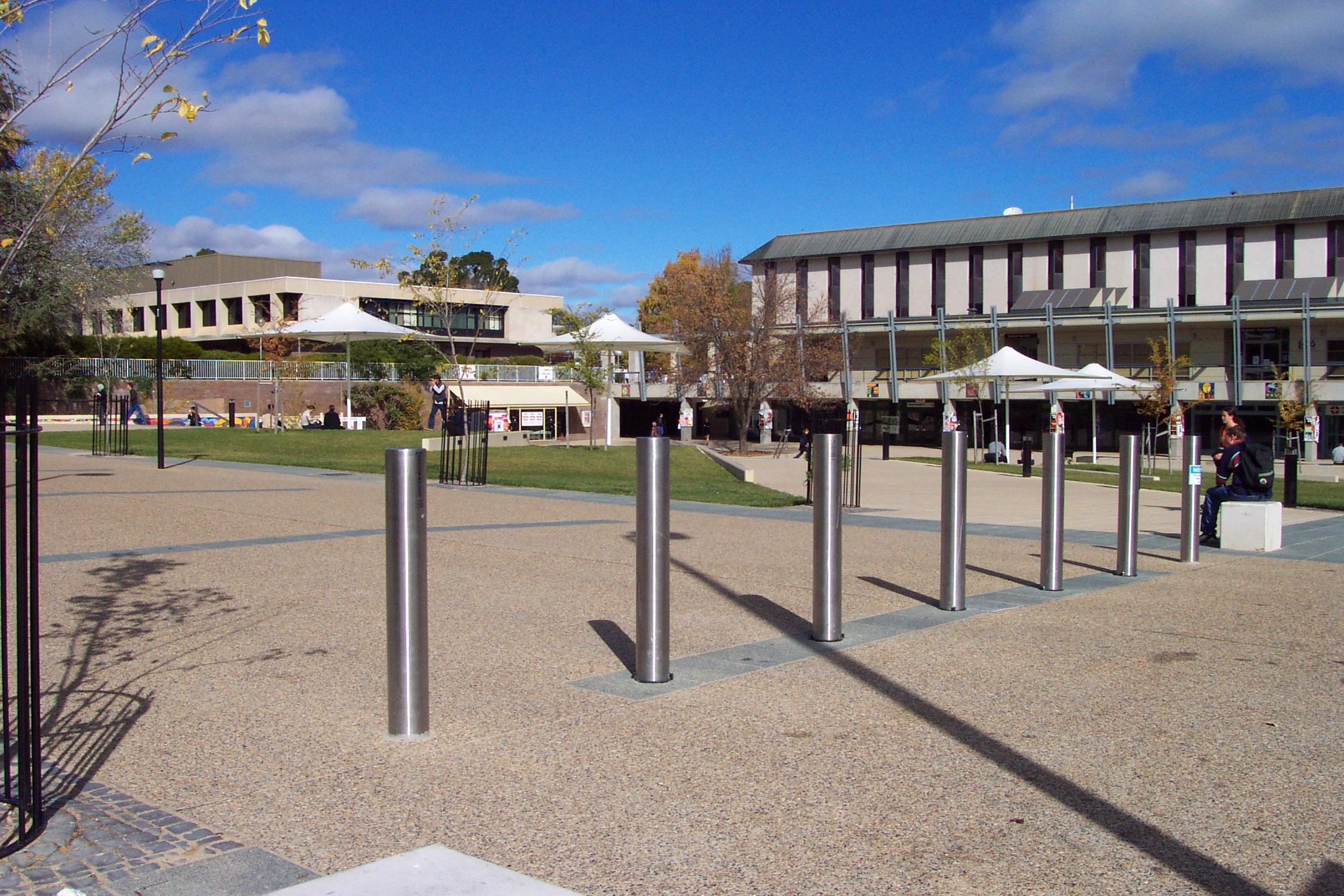
Metal bollards including steel, stainless steel, and coatings
Across South Africa’s busiest streets, what do bollards look like when they balance security with street life? In urban cores, well-placed posts curb unauthorised vehicle access while preserving pedestrian flow and a sense of place.
Common metal bollards include:
- Steel: rugged, cost-effective, often powder-coated for colour and rust protection.
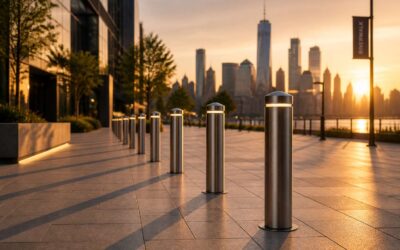
- Stainless steel: sleek, reflective, and tolerant of salty coastal air.
- Coatings: epoxy or polyester powder finishes that add colour and UV resistance.
Finish and shape matter as much as strength. what do bollards look like in practice? Domed tops offer headroom and safety, flat caps deliver a minimalist street edge, and modular designs blend with brickwork and glass without shouting for attention.
Concrete and cast iron bollards for durability and texture
So, what do bollards look like in this concrete and cast iron era? On South Africa’s busiest streets, texture and weight tell the story. “Texture outlasts trend,” a city planner notes.
Concrete bollards bring durability and a tactile footprint. Exposed aggregate or smooth finishes offer subtle color and grip, while maintenance is straightforward, resisting graffiti and wear in high-traffic zones.
- Matte concrete surfaces with rough-grain texture
- Exposed aggregate that adds color and depth
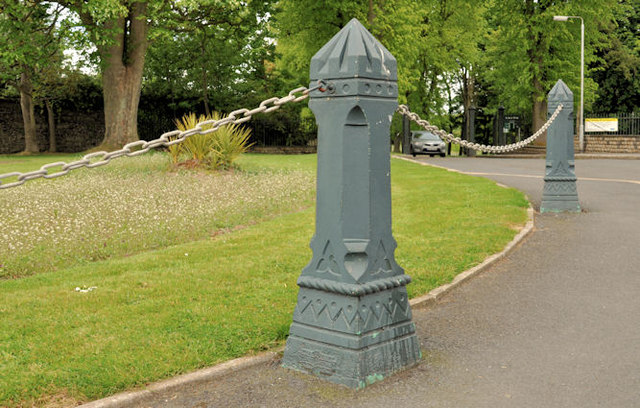
- Cast iron’s dark patina and sturdy silhouettes
Cast iron bollards, heavier and more sculptural, wear a weathered patina that adds texture to brick and stone. Their rugged presence anchors corners and plazas without shouting for attention.
Decorative bollards for aesthetics and branding
“Texture outlasts trend,” a city planner notes. So, what do bollards look like in this concrete and cast-iron era? On South Africa’s streets, weight and shadow do the talking, turning simple posts into quiet storytellers. They stand as sentinels that host subtle color and invite a closer gaze.
Common appearances span sober cylinders to sculptural silhouettes, where materials skim light and weight. Decorative bollards turn function into branding—beacons that carry a city’s image without shouting.
- Monolithic forms with matte or brushed textures
- Perforated, lattice, or pierced profiles for architectural texture
- Branding accents: logos, crests, and color schemes integrated into the metal
On brick and stone, a dark patina or bronze glow can settle into the urban fabric, guiding pedestrians with a whisper rather than a shout. Such silhouettes become quiet ambassadors of place. And then, what do bollards look like when history leans on the future?
High-visibility and safety-focused bollards
On South Africa’s streets, weight and shadow do the talking. So, what do bollards look like in this concrete and cast-iron era? They rise as quiet storytellers—common appearances spanning sober cylinders to slender sculptural silhouettes, catching light and guiding feet with patient poise.
In the realm of high-visibility and safety-focused bollards, form and function fuse into practical poetry:
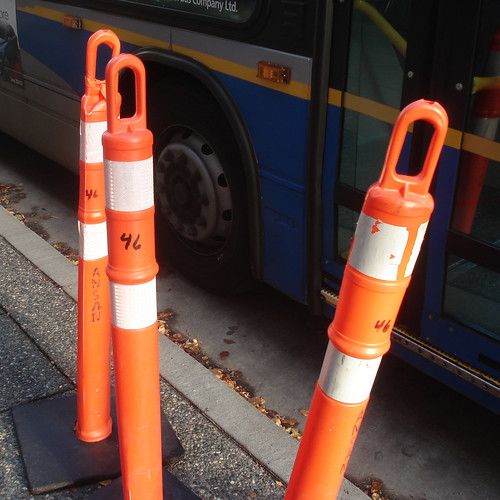
- Reflective enamel coatings in hi-vis yellows and oranges
- Embedded LEDs or reflective tapes for night-time visibility
- Sturdy bases and crash-rated profiles designed for urban resilience
These features illuminate routes on brick and stone, giving the city a humane glow where pedestrians move with confidence and care—still, they remain the quiet guardians of place, ensuring safety without diminishing beauty.
Bollards by setting: commercial, residential, and public space alignments
Urban streetscape bollards and curb integration
On South Africa’s busiest streets, nine in ten pedestrians remember the first bollard they notice within three seconds. These quiet sentinels shape space without shouting, guiding movement with a subtle authority—almost as if they keep the city’s pulse in balance. The question—what do bollards look like—unfolds across commercial boulevards, residential lanes, and public spaces, each silhouette telling a story of safety and style.
Consider how lines, colours, and silhouettes signal purpose as you walk the city.
- Commercial streetscape alignment: bold profiles that reinforce branding and guide traffic.
- Residential driveways: slender, unobtrusive forms that blend with garden and gate lines.
- Public space plazas: sculptural, pedestrian-friendly shapes inviting exploration.
Urban streetscape bollards and curb integration bind function to form, tucking into curbs and paving rhythms so the street feels seamless. In South Africa, designers balance durability with character, ensuring every bollard contributes to the landscape.
Commercial campuses and business districts bollards
What do bollards look like on a bustling campus? They look like quiet sentinels—tall, tapered cylinders with clean lines that announce boundaries without shouting.
In commercial campuses and business districts, the silhouette reinforces branding, with taller profiles and deliberate color accents that guide movement while blending with architecture.
- Brand-aligned finishes that echo corporate palettes
- Adequate height for protection without obstructing sightlines
- Integration with planters and signage for seamless flow
Residential zones feature slender, unobtrusive forms that merge with garden and gate lines, while public spaces welcome sculptural shapes that invite exploration. In South Africa, designers balance durability with character, ensuring every bollard contributes to the landscape.
Residential driveways and pedestrian zones bollards
In South Africa’s busiest campuses, a quiet sentinel can shape how people move. What do bollards look like? They’re tall, tapered cylinders with clean lines that announce boundaries without shouting, blending with brick and glass while keeping sightlines open.
Residential driveways and pedestrian zones favour slender, unobtrusive forms that blend with gardens, gates, and hedges. The goal is continuity, so the bollard becomes part of the façade rather than an obstacle.
Public spaces welcome sculptural shapes that invite exploration and reflection. Here, color and texture—balance with durability—tell stories of place.
- scale that respects surrounding architecture
- textural variety to soften or sharpen silhouettes
- lighting compatibility for night safety
Public transit hubs and pedestrian safety bollards
In bustling commercial settings, alignments with shopping precincts and office towers chore movement. The landmark question—what do bollards look like?—is answered by tall, tapered forms with clean lines that announce boundaries without shouting, blending with glass and brick while keeping sightlines open along loading bays and street-fronts in South Africa’s cityscapes.
Residential driveways and pedestrian-friendly spaces prefer slender, unobtrusive silhouettes that stroll with gardens, gates, and hedges. The bollard becomes part of the façade, a quiet sentinel that guides foot traffic without interrupting the garden’s rhythm.
- Proportions that echo surrounding architecture
- Varied textures for softer silhouettes
- Lighting for night safety
Public spaces, including transit hubs, invite sculptural forms that invite exploration and careful movement of crowds. Public transit hubs and pedestrian safety bollards shape the flow of commuters, with color and texture balancing durability and place-making, allowing bollards to tell stories of the city while remaining practical at night.
Visual features that define bollards
Shape profiles: cylindrical, square, and custom forms
Across South Africa’s busiest streets, safety and design walk a fine line. A recent urban audit found pedestrians form quick judgments within five metres of a curb, and a bold silhouette can tilt those decisions. So, what do bollards look like in the fabric of daily life? The answer lies in their visual language—clear, restrained, and endlessly adaptable.
- Cylindrical forms that glide along the street edge with a uniform breath.
- Square profiles that claim space with quiet, precise geometry.
- Custom forms that echo architectural motifs or branding in subtle, memorable ways.
Finish, texture, and scale complete the look, ensuring the bollard contributes to pace and perception rather than glare. Matte or gloss, dark basalt or warm mineral tones—these choices let the form converse with light, shadows, and surrounding architecture, weaving a quiet confidence into every curb and corner.
Top designs and caps: domed, flat, and designer finishes
Across South Africa’s busiest streets, a recent urban audit finds pedestrians form quick judgments within five metres of a curb; the silhouette communicates safety faster than a sign. So, what do bollards look like on busy streets? They speak through line, shadow, and restraint—quiet, legible signals that govern pace without shouting.
Top designs and caps shape that visual language:
- Domed caps: soft curvature that catches light and adds a humane touch at street level.
- Flat caps: crisp horizons that merge with architectural edges and curb lines.
- Designer finishes: brushed metal, patina, or color treatments that echo branding without overpowering surroundings.
Finishes, textures, and scale complete the look—matte or gloss, dark basalt or warm mineral tones let the bollard converse with light, shadows, and surrounding architecture, turning a curb into a moment of quiet authority.
Finishes and colors: powder coating, paint, and patina
In urban audits, 68% of pedestrians form quick safety judgments within five meters of the curb. So what do bollards look like? They communicate with light, shadow, and restrained color, not slogans.
Finishes and colors define the look. Powder coating, paint, and patina shape how a bollard reads on a busy street. Here are the options that fit seamlessly into South African streetscapes:
- Powder coating: durable, even color that resists chips and weathering, keeping lines clean in harsh sun and rain.
- Paint: flexible hues for branding, wayfinding, or subtle contrasts with stone and brick around the curb.
- Patina: evolving surface that adds character, pairing well with copper, bronze, or aged metal details.
Together, these finishes work with texture, scale, and lighting to let the curb speak quietly with authority.
Reflectivity and safety markings for night visibility
Cities breathe at night, and the curb keeps time with light. Reflectivity and safety markings are not banners; they are signals. If you’re wondering what do bollards look like on a crowded street, the answer lies in light and shadow, in restrained color rather than slogans. They read the street with an economy of form, asserting presence without shouting.
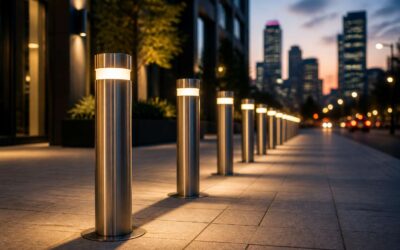
Night needs a concise visual language, so consider these features:
- Reflective sheeting catches headlights and anchors distance
- High-contrast bands that stay legible in daylight
- Gentle illumination at base to guide pedestrians at dusk
- Clean silhouette and proportional height for quick recognition
In South Africa’s streets, these cues mingle with stone, brick, and moving traffic, shaping how passersby perceive safety without distraction.
Choosing bollards based on appearance: a buyer’s guide
Assessing installation context and street style with architecture in mind
What do bollards look like? The right choice is more than blocking traffic—it’s about how a street reads! Bollards become punctuation on the pavement, guiding pace and perception, not just safety.
Choosing bollards by appearance means weighing context and street style with architecture in mind. In South Africa, a CBD reads differently from a coastal village; the bollards should echo that dialogue, not fight it. I’ve seen spaces transformed when the tone is right.
- Context fit: urban, campus, or residential streets play differently with scale and presence
- Readability: ensure pedestrians and drivers can interpret intent at a glance
- Harmony: pick tones and textures that complement nearby façades and materials
Ultimately, bollards disappear when needed and stand when they must—quiet anchors that shape a street’s character without shouting. That balance makes a boulevard feel purposeful, safe, and alive.
Matching with surrounding materials and color schemes
When choosing bollards by appearance, the street becomes a living paragraph—readable, deliberate, and just a touch persuasive. The question what do bollards look like anchors the conversation, but it’s really about cadence: will the poles slip into the flow of pedestrians and storefronts, or shout at passing traffic? A well-chosen form guides pace without shouting. I’ve seen spaces transformed when the tone is right.
Match begins with surrounding materials and color schemes. In South Africa’s cities, brick, stone, and timber take on different moods from Cape Town to the Highveld; let the bollards echo those tones—earthy, cool, or sun-bleached—so they feel essential, not intrusive, within the built fabric.
- Coordinate with local façades and paving textures
- Mirror the hue and temperature of nearby materials
- Consider branding accents and nighttime visibility
Regulatory, safety, and accessibility considerations in appearance
Choosing bollards by appearance is a quiet negotiation between street rhythm and storefront glow. People often ask what do bollards look like, and the answer is a design compass: a form that protects without shouting, that nods to South Africa’s varied textures. In Cape Town’s sunlit lanes or Durban’s humid avenues, appearance should harmonize with height, silhouette, and finish—so the poles feel essential, not intrusive.
To navigate by appearance, weigh regulatory, safety, and accessibility considerations as you would color swatches. A compact checklist can keep the flow right:
- Regulatory alignment with local standards
- High-contrast finishes or reflective elements for night visibility
- Texture and hue that echo surrounding materials
In choosing with this lens, the street becomes a measured, welcoming cadence.
Budget-friendly appearance options and lifecycle costs
Streets carry stories, and the look of bollards signals care. In South Africa, a thoughtful finish can cut maintenance calls by up to 28%. So, what do bollards look like? They should echo local textures while preserving height and silhouette.
- Powder-coated steel in durable hues that reduce upkeep
- Concrete or recycled sleeves for texture at low cost
- Minimalist stainless with simple caps in neutral tones
Lifecycle costs matter as much as the look. A durable finish resists SA’s varied climate, delivering longer service and fewer replacements, while the street reads as intentional, not tacked-on.
Maintenance and look over time: cleaning, repainting, and replacements
On South African streets, aesthetics are policy: a thoughtful finish can slash maintenance calls by up to 28%. So, what do bollards look like? They should echo local textures while preserving height and silhouette.
Consider three paths that marry form and function: powder-coated steel in durable hues that resist the SA sun, concrete or recycled sleeves for texture at low cost, and minimalist stainless with clean caps in neutral tones.
- Powder-coated steel in durable hues
- Concrete or recycled sleeves for texture at low cost
- Minimalist stainless with simple caps in neutral tones
Lifecycle matters as much as the look. I’ve found that a durable finish resists SA’s varied climate, delivering longer service and fewer replacements, while the street reads as intentional, not tacked-on. Over time, upkeep means cleaning, repainting, and occasional replacements—rituals that preserve the look without shouting.

0 Comments