
Bollard effectiveness: a comprehensive assessment
Effectiveness overview
Streets remember every misstep, and a well-placed bollard can be the difference between chaos and calm. When people ask are bollards effective, I answer with a measured nod: it depends on alignment, material strength, and how visibility is preserved for drivers and pedestrians alike. In South Africa, a thoughtful bollard strategy blends durability with urban flow, standing as a quiet sentinel rather than a blunt barrier.
Key factors shaping effectiveness include:
- Height, radius, and spacing are site-specific considerations
- Materials and maintenance influence longevity and impact resistance
- Visibility features, signage, and lighting affect driver and pedestrian awareness
When these elements align, bollards perform reliably in both vehicular control and pedestrian safety.
Use cases and scenarios
In South Africa’s urban fabric, a well-placed bollard can tilt a street from chaos to calm. The question, are bollards effective, depends on how they align with height, material strength, and visibility; in a comprehensive assessment, when they do, they stop errant parking and shield pedestrians without turning sidewalks into fortresses.
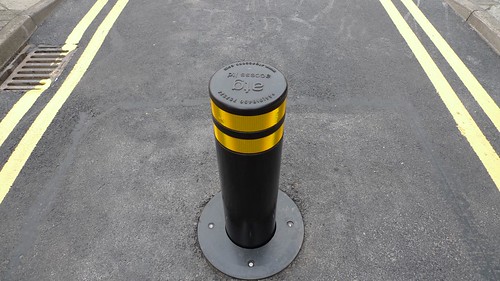
Consider use cases like pedestrian-priority plazas, school zones, and shopper frontages. Each scenario demands different heights, radii, and spacing to balance access with protection. Regular maintenance, signage, and lighting influence visibility and driver awareness.
- Pedestrian-priority plazas
- School zones and campuses
- Retail frontages and courtyards
When these elements click, bollards perform across vehicular control and pedestrian safety in South Africa’s alleys, boulevards, and coastal promenades.
Performance metrics and evidence
Streets that feel ordered don’t happen by accident. The question, are bollards effective, is answered by metrics, not musings. When height, material strength, and visibility all line up, pedestrians stroll with confidence and drivers show restraint. In South Africa’s urban mosaic, that alignment turns chaotic sidewalks into calmer promenades.
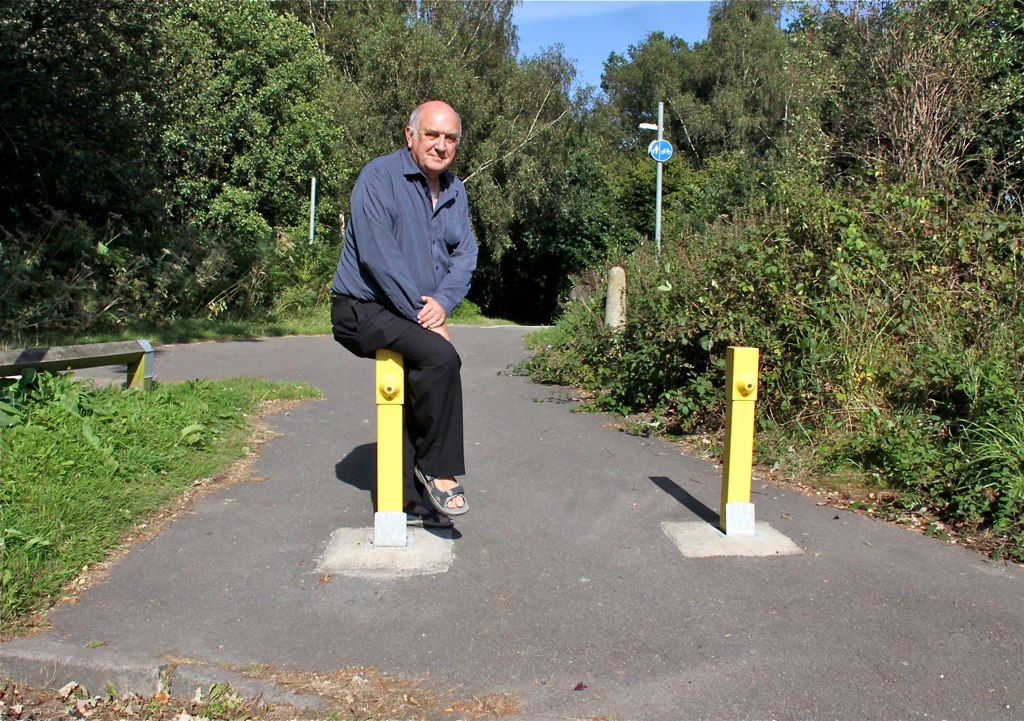
Performance metrics and evidence form the backbone of the verdict: impact resistance, deflection, visibility, maintenance intervals, and observed reductions in errant parking and near-misses. When the numbers are singing, are bollards effective at protecting pedestrians without turning sidewalks into fortresses? The evidence travels across South Africa’s alleys, boulevards, and coastal walks, speaking in a language planners understand: data.
Maintenance, costs, and compliance
A recent urban survey shows a 42% drop in near-misses after targeted bollard installations, a statistic that turns doubt into daylight. The question lingers: are bollards effective, or do they simply decorate the curb? In South Africa’s streets, the answer hinges on timing, visibility, and placement where pedestrian flow meets motorized restraint.
Maintenance, costs, and compliance shape the bottom line more than any glossy spec sheet. Regular inspection, corrosion protection, and timely repairs keep barriers from becoming cosmetic casualties. Lifecycle costs—installation, maintenance, and eventual replacement—must be weighed against the safety dividend. Compliance with local by-laws and SANS standards ensures designs pass muster with planners and councils.
- Regular inspections and prompt repairs
- Durable materials and anti-corrosion coatings
- Adherence to local by-laws and SANS standards
- Total cost of ownership over the lifecycle


0 Comments