
Fundamentals of bollards in urban design
Purpose and use cases
Urban spaces that balance flow and safety see foot traffic rise by 15%, and a street corner suddenly feels like a well-tempered stage. Bollards design isn’t merely about keeping cars out; it’s choreography—guiding, not stifling, the tempo of city life.
In South Africa, climate and culture steer choices: steel, concrete, or stainless finishes, with coatings that endure sun and vandalism. The finest bollards design fuses resilience with refinement, marking edges without shouting, and preserving sightlines for shops, courtyards, and bus lanes.
- pedestrian safety at busy sidewalks and street cafés
- vehicle restriction at plazas and transit nodes
- protected bike lanes and emergency‑response access
I relish how installation height and the choice between fixed or removable options can quiet the loudest street disputes; the right bollards design keeps sightlines, respects accessibility, and ages gracefully.
Key standards and certifications
In the rhythm of our towns, every curb tells a story—and bollards design is the quiet chorus that keeps it humane. Across South Africa’s busy streets, audits show pedestrian conflicts drop by up to 28% when spaces invite both flow and restraint.
Fundamentals of bollards design rest on durability, predictable performance, and respectful scale. Standards and certifications translate safety into measurable trust, shaping materials, testing, and maintenance with honesty and precision.
- SABS/SANS certification for materials and manufacturing
- ISO 9001 quality management for processes
- EN 1317 family standards for barrier performance and impact
In SA, bollards design adapts to climates and cultures: coatings that endure sun and vandalism, heights that balance access and protection, and local compliance that keeps projects aligned with SABS expectations.
Material options for bollards
Across South Africa’s streets, thoughtful bollards design reduces pedestrian conflicts by up to 28%, stitching safety into the city’s living fabric. The message is clear: durability paired with humane scale makes streets feel welcoming rather than wary. In this design language, form follows function, yet it hums with the rhythm of footfalls and life.
- Hot-dip galvanized steel
- Stainless steel
- Concrete with integral colour
- Fibreglass-reinforced polymer (FRP)
- Treated timber
Coatings and textures matter as much as shape. In SA climates—sun, coastal spray, and busy streets—the right finish resists UV and vandalism while keeping legibility. For bollards design, climate-informed choices cut maintenance and sustain the urban stage for the long arc of city life.
Impact resistance and safety considerations
Every curb tells a quiet story of protection; in urban form, bollards design is the first line of safety as vehicles and pedestrians share the same space. Impact resistance isn’t about brute force; it’s about predictable behavior—posts that bend or yield within controlled limits, turning a potential crash into a managed event. The outcome is a streetscape that feels stable, even when stress rises, keeping doors and pedestrians safer while maintaining flow—I’ve seen this on busy Cape Town corners.
Fundamentally, safety hinges on energy dissipation, deflection limits, and clear sightlines. In thoughtful bollards design, these choices translate into calmer streets and fewer injury-prone interactions.
- Controlled energy absorption and deflection to protect pedestrians
- Visible, legible finishes for day and night use
- Tamper resistance and durable maintenance cycles
In South Africa’s streets, this approach supports humane scale and resilient public spaces.
Aesthetic and functional integration
Cities run on the quiet arithmetic of space, and bollards design marks the margin where safety meets elegance. A Cape Town street taught me this: spaces that breathe calm a city’s pace. Across South Africa, thoughtful placement guides flows without friction!
Fundamentals of bollards in urban design rest on proportion, visibility, and predictable behavior. They should feel inevitable, like they always belonged, shaping tempo rather than stopping life. To achieve this, consider these elements:
- Proportional scale to human height and street width
- Contrasting finishes for day and night legibility
- Maintenance-friendly and tamper-resistant detailing
Aesthetic and functional integration lets a slender post become a street partner: stone, metal, and light creating a humane rhythm, bollards design shaping the street’s breath. When bollards echo surrounding materials, they join the urban fabric, inviting pedestrians to linger and drivers to move with care, not hesitation!
Structural and safety considerations for bollards
Standards and testing protocols
Urban safety hinges on more than form. In South Africa’s busy streets, bollards design that is robust can cut vehicle intrusions by up to 60%, protecting pedestrians and storefronts. Structural and safety considerations demand clear insight into loads, foundations, and how the device behaves over time. Predictable performance matters.
Key testing protocols include:
- Static and dynamic load testing to simulate local vehicles
- Foundation and anchor performance under cyclic loading
- Corrosion and weathering resistance for SA climates
- Post-installation inspection and maintenance standards
Beyond testing, the bollards design must fit site realities—drainage, sightlines, and easy inspection—without compromising strength. A measured approach weighs foundation detail and serviceability so performance stays reliable across seasons.
Impact resistance and crash requirements
Structured for impact, South Africa’s streets demand more than aesthetics. The right bollards design can curb vehicle intrusions by up to 60%, buying pedestrians precious seconds and protecting storefronts. In this balance of strength and restraint, structural integrity guides every choice, from materials to behavior under repeated stress.
For robust bollards design, consider how energy travels through the unit into the foundations, ensuring a safe energy dissipation path. Foundations and anchorage must endure cyclic loading and ground movement, while coatings and galvanization guard against SA’s climates. Serviceability—easy inspection, replacement, and minimal downtime—keeps performance reliable across seasons.
- Load paths that transfer energy to firm foundations
- Anchorage designed for repeated impacts and vibration
- Deflection control and fatigue resistance for longevity
- Corrosion protection tailored to SA climates
Anchoring installation methods
Bollards design is most visible on storefront rows, yet its true heartbeat lies beneath. Three in four post-impact failures trace to anchorage, not the unit itself. The anchor must act as a calm conductor, guiding energy from the collision into the earth without worrisome settlement. In this realm, structural integrity dictates every choice, from base geometry to bolt grade, and how the unit yields to repeated loading.
Consider these anchor methods, chosen to suit retrofit or new builds:
- Cast-in-place foundations with embedded sleeves for maximum shear transfer
- Epoxy-fixed anchor bolts in high-strength concrete for clean, durable installs
- Post-installed mechanical anchors for retrofit contexts where space is tight
Beyond selection, the installation must accommodate energy dissipation paths that travel through the bollard into stable soil, while resisting cyclic loading and ground movement. In SA climates, grout quality and serviceability keep alignment and foundation bearing in check!
Maintenance and durability
Three in four post-impact failures trace to anchorage, not the bollard unit itself—and that truth shapes every frame we draft. Structural integrity governs base geometry, bolt behavior, and how a bollard yields under cyclic loading. In South Africa’s busy streets, energy must flow from impact into stable soil without alarming settlement, a demand that tests both the unit and its foundation.
bollards design emphasizes durability as a system, not a single part. In SA climates, grout quality, bearing stability, and clean transfer paths keep alignment intact while resisting weathering. I’ve seen how subtle flaws magnify under repeated loads, so the aim is predictable performance under service conditions. Consider the following durability pillars:
- Energy path continuity through the foundation
- Protective detailing that resists corrosion and UV exposure
- Inspection-friendly features that reveal wear early
Security versus accessibility balance
In South Africa’s bustling streets, security and access must share the same space. A single post can deter a threat and still invite foot traffic! In bollards design, the balance is practical, not theatrical.
Key structural principles shape safety without sacrificing flow:
- Clear sightlines and predictable responses for drivers and pedestrians
- Accessible clearances for wheelchairs, trolleys, and deliveries
- Foundations that resist weathering and ensure alignment over years
When these elements work in harmony, a bollard system stands up to impact while remaining humane, flexible, and legible in crowded city fabric.
Materials, finishes, and durability of bollards
Steel and stainless steel options
Durability isn’t just a feature—it’s a guarantee in bollards design. In South Africa’s bustling streets, steel and stainless options must withstand heat, humidity, and road salt. The material chosen shapes performance, visual weight, and the calm assurance that pedestrians and vehicles feel.
Finishes and coatings are the quiet guardians of longevity. Here are common, performance-driven choices that suit our climate:
- Powder-coated steel with UV-stable pigments for color longevity
- Hot-dip galvanising on carbon steel for robust corrosion protection
- Brushed or passivated stainless steel (304/316) for coastal or high-salt zones
For durability over time, the environment matters as much as the alloy. Stainless variants resist corrosion; galvanized steel offers a balance of cost and protection; in high-salt coastal areas, 316 stainless performs best, maintaining finish and form without frequent refurbishment.
Concrete, polymer, and composite choices
In South Africa’s sun-drenched streets, durability is the premium feature; in bollards design, concrete, polymer, and composite shape performance as surely as a curb shapes traffic. Concrete brings weight and crash-worthiness; when reinforced and sealed, it handles heat and humidity. Polymers shed weight without skimping on resilience, offering UV-stable color and easy installation in dense urban cores. Composites blend fibers and resin to shrug off moisture and salt while keeping a sleek street presence.
For a quick snapshot, consider:
- Concrete bollards: heavy, robust, and repair-friendly with proper sealants.
- Polymer bollards: lighter, highly versatile, and UV-stable for coastal zones.
- Composite bollards: high impact resistance with low maintenance and excellent corrosion resistance.
Finish matters: sealants and UV coatings guard against SA’s sun, salt air, and heat, extending the life of each system.
Coatings, powder finishes, and corrosion protection
In bollards design, the core material sets the story. Stainless and galvanised steel offer crash resistance, while reinforced concrete adds mass. Polymers and composites bring resilience with lighter weight. In South Africa’s sun-drenched streets, durability means thriving under heat, humidity, and salt air—without sacrificing performance.
Coatings and finishes guard those cores. Powder finishes deliver even color with abrasion resistance, while epoxy or polyurethane topcoats add moisture barriers and UV stability for coastal zones. Corrosion protection—galvanic layers and multi-layer systems—keeps rust at bay in SA’s harsh climate. A thoughtful pairing of material and finish powers reliable performance.
Durability thrives when coatings align with expected wear. The result is colour stability, corrosion resistance, and a street presence that ages gracefully. The right finish doesn’t simply look good; it defends value and safety against time, traffic, and the sun’s unyielding glare.
Security-focused versus decorative bollards
Heat and salt air aren’t merely weather; they are the proving ground for bollards design. Materials set the mood: stainless and galvanised steel deliver crash resistance, while reinforced concrete adds mass. In SA’s coastal and urban climates, polymers and composites offer resilience with lighter weight and easier handling.
- Stainless steel
- Hot-dip galvanised steel
- Reinforced concrete with fibre reinforcement
Finishes round out the core: robust powder coatings, moisture barriers, and UV-stable topcoats extend life under sun and salt. When paired with corrosion protection strategies—layered coatings or galvanic barriers—the result is enduring colour and value, even as traffic patterns shift across South Africa’s bustling streets. In bollards design, the dialogue between weight, finish, and anchoring becomes a choreography of safety, style, and longevity.
Sustainability and lifecycle costs
In bollards design, the sea’s salt and sun test every seam. SA projects lean on stainless or galvanised steel for staying power, while reinforced concrete adds gravitas where impact energy is a factor. Polymers and composites offer resilience with lighter weight and easier handling along coastal precincts and busy streets.
Finishes round out durability: powder coatings with moisture barriers and UV-stable topcoats keep colours true under relentless sun and spray. Layered protection and careful substrate preparation ensure the look and function outlive fast-changing traffic patterns across South Africa.
Sustainability and lifecycle costs guide bollards design choices. Durable finishes, reliable anchoring, and thoughtful material selection cut maintenance cycles and downtime, delivering enduring value for property protection and urban infrastructure across SA.
Design aesthetics and urban integration of bollards
Form factors and silhouette options
“Public spaces belong to more than cars,” a South African city planner once said. In public spaces, bollards design isn’t merely about safety; it’s about storytelling. When streets become stages, this design guides the eye and invites people to slow down, creating small rituals of pause and reflection. The result is a rhythm that respects pedestrians while delineating space with grace!
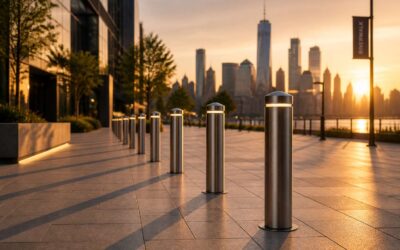
- Slim post silhouettes
- Blocky plinth forms
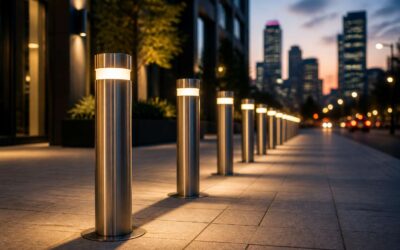
- Integrated art or lighting bollards
Across districts, form factors and silhouette options range from slender cylinders to sculpted blocks, each choice shaping velocity, sightlines, and sociability. The best bollards design harmonises with architecture and the human pulse, offering quiet character through texture and shade, while remaining legible from a distance.
Color, texture, and branding alignment
Color and texture are not adornment but navigational cues in the urban theatre. bollards design must converse with façades, paving, and light. In South African cities, branding alignment helps buildings tell a single story without shouting. The hue choices—from warm earth to cool mineral—guide pedestrians and vehicles with quiet authority, while finishes catch and soften daylight, inviting a slower pace!
- Earthy tones that echo SA landscapes
- Matte to satin textures for depth and glare control
- Integrated branding elements that remain legible from a distance
When color, texture, and branding align, streets become legible cues rather than mere barriers, guiding footfall with elegance and dignity.
Lighting and wayfinding integration
Streets need to feel like confident hosts, not iron-clad gatekeepers. In bollards design, lighting isn’t an afterthought—it’s choreography that makes walkways legible and spaces feel safe after dark. South African streets, with their rich façades and warm sun-by-day, respond to hue and silhouette that guide feet with dignity.
Lighting and wayfinding should braid into the urban fabric, not shout over it. Thoughtful bollard lighting—low-glare LEDs, integrated signage, tactile cues—turn simple posts into navigational landmarks across streets, malls, and campuses.
- Low-glare LED rings to keep night skies clear
- Integrated directional markers visible from a distance
- Matte or satin finishes that temper daylight glare
When they speak softly, bollards become timeless choreography, guiding footfall with quiet authority through South Africa’s vibrant streets.
Landscaping, accessibility, and street furniture coordination
South Africa’s streets, kissed by sun and rhythm, deserve fixtures that speak softly yet carry authority. In the world of bollards design, beauty is not an afterthought but a quiet conductor—where landscaping, accessibility, and street furniture move in step. When planters, seating, and posts share a common cadence, crossings become legible passages, and evenings feel welcoming rather than austere.
Design must honor sightlines, scale, and material dialogue. Subtle curves, durable finishes, and planter-integrated forms help the urban fabric breathe. A holistic approach aligns greenery, pedestrian zones, and transit nodes, turning streets into cohesive rooms rather than isolated elements.
- Proportional sizing to street width
- Root-friendly foundations and permeable bases
- Modular, switchable configurations for evolving layouts
- Consistent color, texture, and branding rhythm
Guidelines for inclusive pedestrian spaces
In South Africa’s sunlit streets, bollards design becomes a quiet incantation, a silhouette that fences yet invites. Every curb and corner longs for a figure that speaks softly but carries authority, turning traffic into choreography and pedestrians into confidants.
Design aesthetics must honour sightlines, scale, and material dialogue. Subtle curves, durable finishes, and planter-integrated forms let the urban fabric breathe; when greenery, seating, and posts share a shared cadence, crossings read as rooms, and evening walks feel less austere and more welcoming.
Inclusive pedestrian spaces demand careful design, with forms that invite all users.
- Human-scale proportions that frame every crossing
- Adaptive layouts that reconfigure with events and seasons
- Consistent colour and texture to sustain a calm, branded rhythm
Beneath the concrete dream, bollards design remains a guardian of place, guiding footsteps along a city that remembers to breathe.

0 Comments